
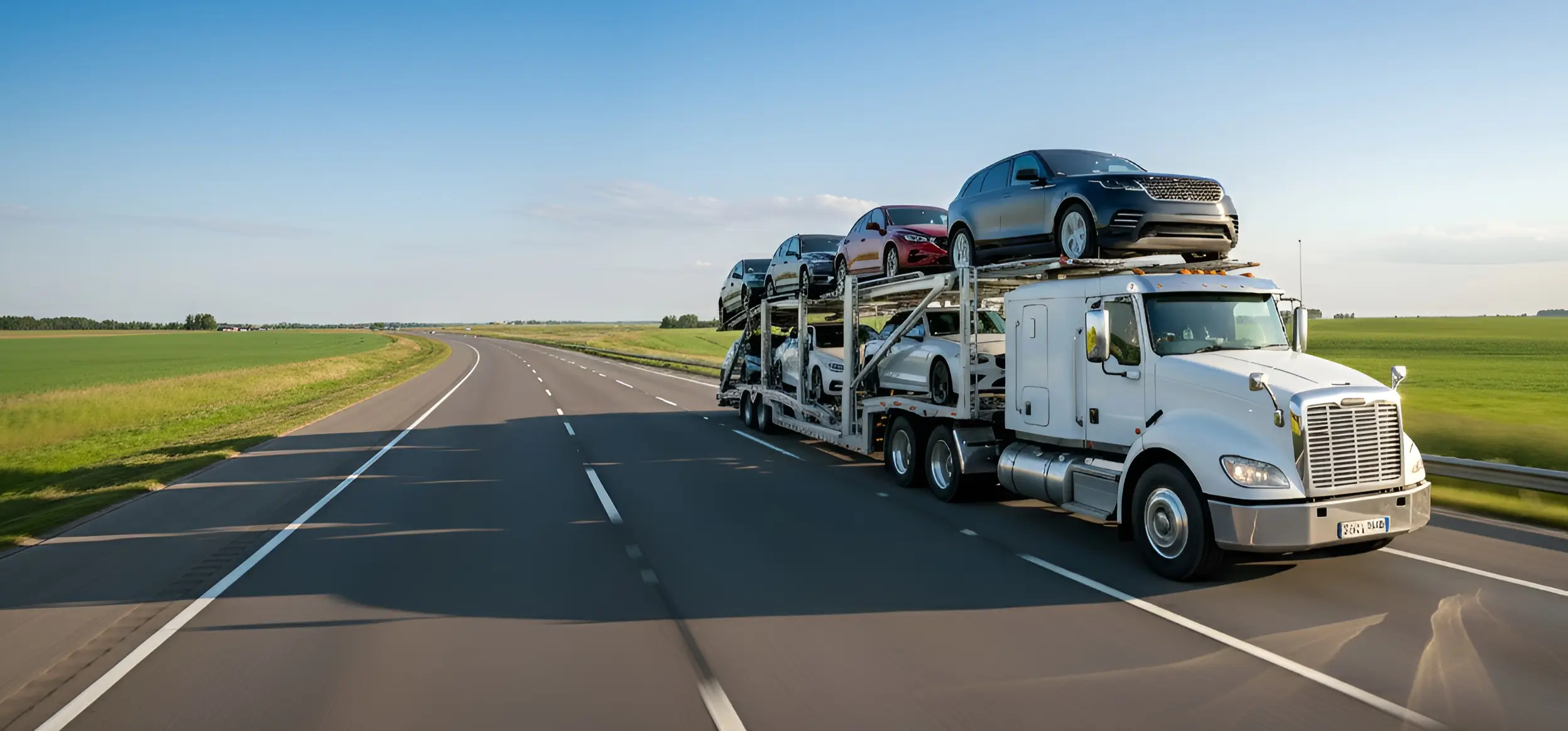
Top-Rated Texas to California Car Shipping Company
Texas to California car shipping is a long-distance Southwest corridor commonly used for relocations, military moves, student transportation, seasonal travel, and vehicle purchases. Most vehicles moving from Texas to California travel about 1,500 miles and arrive within 4 to 7 days after pickup, depending on the exact cities, carrier availability, weather, and routing.

Start your free quote
Reviews
AmeriFreight Auto Transport Reviews
AmeriFreight Auto Transport is BBB-accredited and A-rated, and we're proud to say that customer service is our #1 priority. Don't just take our word for it, see what our customers have to say about our auto transport services!
Licensed & Accredited
How Much It Costs to Ship a Car from Texas to California
Shipping a car from Texas to California typically costs about $1,200 to $1,500 for open auto transport and about $2,100 to $2,625 for enclosed auto transport. This estimate typically includes carrier transport fees, fuel-related operating costs, and basic carrier liability while the vehicle is loaded and in transit.
The final price can vary based on distance, vehicle size and weight, open versus enclosed transport, seasonal demand on the Texas-to-California corridor, pickup and delivery flexibility, fuel prices, vehicle condition, and whether the pickup or delivery point is in a major metro area or a lower-traffic location. This cost is purely an estimate, not a fixed quote.
Call AmeriFreight Auto Transport at (770) 486-1010 to talk through what your specific shipment would cost.

Most Popular Texas to California Car Shipping Routes
| Route | Distance | Transit Time |
|---|---|---|
| Houston to Los Angeles | 1,550 miles | 4-7 days |
| Dallas to Los Angeles | 1,440 miles | 4-7 days |
| Austin to Los Angeles | 1,380 miles | 4-7 days |
| San Antonio to San Diego | 1,275 miles | 3-6 days |
| Houston to San Diego | 1,470 miles | 4-7 days |
| Dallas to San Francisco | 1,730 miles | 5-8 days |
| Austin to San Francisco | 1,760 miles | 5-8 days |
| Fort Worth to Los Angeles | 1,410 miles | 4-7 days |
| El Paso to Los Angeles | 800 miles | 2-4 days |
| McAllen to Los Angeles | 1,630 miles | 5-8 days |
What Affects Your Texas to California Car Shipping Cost

DISTANCE
Texas to California shipping usually falls into a long-haul mileage range, with many metro-to-metro routes running roughly 1,300 to 1,700 miles depending on the cities involved. Distance is the primary pricing factor because longer interstate mileage increases fuel use, driver hours, equipment time, and carrier operating costs.

VEHICLE SIZE AND WEIGHT
Compact sedans are typically less expensive to ship than large SUVs, lifted trucks, cargo vans, oversized pickups, or dually trucks. Larger vehicles take up more trailer space and add more weight to the load, which can reduce how many vehicles a carrier can transport on the same trip.

PICKUP AND DELIVERY FLEXIBILITY
Flexible pickup and delivery windows can help lower pricing because carriers can coordinate multiple vehicles moving in the same direction more efficiently. A shipment from Texas to California is easier to match when the carrier has time to align pickup stops, interstate routing, and delivery timing.

SEASONAL DEMAND
Seasonal demand can affect Texas to California car shipping prices, especially during summer moving season, college move-in periods, military relocation cycles, and holiday travel windows. Demand may also rise when families relocate between large employment markets such as Dallas-Fort Worth, Houston, Austin, Los Angeles, San Diego, San Jose, and San Francisco.
OPEN VS. ENCLOSED TRANSPORT
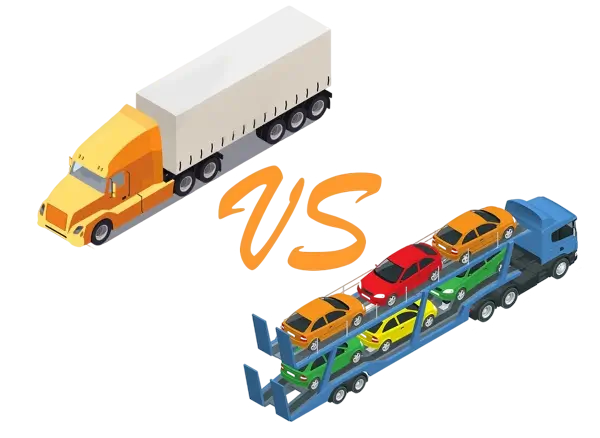
Open transport is the most common option for Texas to California auto shipping and is usually the more budget-friendly choice. Vehicles travel on an open carrier and remain exposed to normal road, weather, dust, and highway conditions during transit.

FUEL PRICES
Diesel and fuel costs influence long-distance auto transport pricing, especially on cross-country and Southwest routes like Texas to California. Carriers covering I-10, I-20, I-40, I-5, and nearby connector routes must account for fuel costs across several states.
VEHICLE CONDITION
Operable vehicles are easier and faster to load, unload, and reposition during transport. If the vehicle starts, steers, brakes, and rolls normally, the carrier can move it onto the trailer with standard loading procedures.

PICKUP AND DELIVERY LOCATION
Shipping between major metro areas and common interstate corridors is usually more efficient than shipping to or from remote locations. Routes involving Dallas-Fort Worth, Houston, Austin, San Antonio, El Paso, Los Angeles, San Diego, Sacramento, San Jose, or the Bay Area often give carriers more load-building options.
How Long Texas to California Car Shipping Takes
Most vehicles shipping from Texas to California arrive within 4 to 7 days after pickup, depending on the specific pickup and delivery locations. Once a vehicle is in transit, car carriers generally travel about 400 to 500 miles per day, so a route of approximately 1,500 miles typically falls within that timeframe, although loading schedules and road conditions can affect the overall timeline.
What Can Shift the Timing
- Several factors can influence how quickly your vehicle reaches California. Most shipments travel along major interstate corridors such as I-10, I-20, I-40, I-5, and connecting highways depending on the cities involved. Heavy traffic around Houston, Dallas-Fort Worth, Phoenix, Los Angeles, and the Inland Empire, along with construction, weather, or mountain pass conditions, may add time to the trip.
- Holiday travel periods and the summer relocation season often increase demand on this corridor, which can lead to longer carrier scheduling windows. Pickup and delivery accessibility also matter—vehicles located near major highways and metropolitan areas are generally easier to schedule than those in rural West Texas, remote desert communities, or mountainous regions of California. Flexible pickup availability also gives carriers more options when building efficient routes.
Best and Slowest Months on This Corridor
- Customers shipping between Texas and California during March through May and September through early November generally see better carrier availability. These months typically experience steady shipping demand and favorable driving conditions across much of the Southwest, allowing carriers to operate efficiently on major interstate routes.
- The busiest months are usually June through August, when relocation activity is at its highest, along with portions of late November through early January during the holiday season. Customers should expect busier carrier schedules, slightly longer pickup windows, and increased demand across popular Texas-to-California lanes during these periods.
Expedited Shipping Option
Expedited shipping is available for customers who need their shipment prioritized for faster pickup and delivery on the Texas-to-California corridor. While expedited service can significantly reduce waiting time for carrier assignment, pickup and delivery dates still depend on road conditions, routing, and carrier operations.
Popular Texas to California City Routes
Texas and California are connected by one of the busiest vehicle shipping corridors in the country. Popular routes include Houston to Los Angeles, Dallas to San Diego, Austin to San Francisco, and San Antonio to Sacramento, serving customers relocating for work, military assignments, college, retirement, and vehicle purchases.
Service Areas in Texas Origin
AmeriFreight Auto Transport provides statewide vehicle shipping throughout Texas, including Houston, Dallas, Fort Worth, Austin, San Antonio, El Paso, Arlington, Plano, Irving, Lubbock, Amarillo, Corpus Christi, McAllen, Brownsville, Waco, Tyler, College Station, Midland, Odessa, Beaumont, Abilene, and surrounding areas, location permitting.
Service Areas in California Destination
AmeriFreight Auto Transport serves destinations throughout California, including Los Angeles, San Diego, San Jose, San Francisco, Sacramento, Fresno, Bakersfield, Long Beach, Oakland, Anaheim, Riverside, Irvine, Santa Ana, Stockton, Modesto, Chula Vista, Oxnard, Santa Rosa, Pasadena, Glendale, and surrounding areas, location permitting.
Should You Drive or Ship Your Vehicle From Texas to California?
There is no one-size-fits-all answer when deciding whether to drive or ship a vehicle from Texas to California. While driving may appear less expensive at first glance, the total cost often includes fuel, hotels, meals, tolls, additional mileage, routine maintenance, depreciation, and several days of travel. Shipping your vehicle allows you to avoid unnecessary wear while traveling separately by air or other transportation, making it a practical option for many long-distance moves.
Drive Cost Breakdown
| Expense Category | Driving Yourself | Shipping the Vehicle |
|---|---|---|
| Expense | Fuel | $260–$340 |
| Included in shipping | Hotels | $200–$450 |
| Usually not needed | Meals | $100–$180 |
| Minimal travel expenses | Vehicle Wear & Depreciation | $350–$700 |
| Minimal additional mileage | Time Commitment | 3–4 days driving |
| Vehicle ships while you travel | Shipping + One-Way Airfare | N/A |
When Driving Makes Sense
Driving may be the better option if you enjoy long road trips, have a flexible schedule, or plan to make several stops along the way. It can also make sense if adding mileage to your vehicle is not a concern and you prefer to remain in control of the entire trip.
When Shipping Makes Sense
Shipping is often the more practical choice for long-distance Texas-to-California moves, especially when relocating, managing multiple vehicles, or flying to your destination. It helps reduce unnecessary mileage, minimizes wear on the vehicle, and saves valuable travel time.
Get Started Today
Not sure which makes sense for your move?
Call (770) 486-1010 and an agent can walk through the math with you.
Open or Enclosed Auto Transport for the Texas to California Route
Open Auto Transport
Open auto transport is the standard shipping method for vehicles traveling from Texas to California and is the option chosen by most customers. The route typically follows major interstate highways through Texas, New Mexico, Arizona, and into California, where vehicles are exposed to ordinary road conditions, weather, desert dust, and highway travel much like they would be if driven themselves.
Most sedans, SUVs, pickup trucks, crossovers, and daily drivers ship on open carriers without issue. Because open trailers can transport more vehicles at once, they are generally the most economical choice for this long-distance corridor.
Enclosed Auto Transport
Enclosed auto transport is commonly selected for luxury vehicles, exotic cars, classics, collectibles, antique automobiles, and low-clearance performance vehicles traveling between Texas and California. On a route that often exceeds 1,500 miles, many owners prefer enclosed transport to reduce exposure to weather, road debris, desert dust, and long interstate travel conditions.
Enclosed carriers provide additional protection throughout the journey while transporting fewer vehicles at a time. As a result, enclosed shipping generally costs about 75 percent more than open transport, depending on the season, route demand, and carrier availability.
Simple 3-Step Process
How the Shipping Process Works
Shipping a car from Texas to California is generally a straightforward process that can be broken into three simple steps.
The process starts by requesting a quote through AmeriFreight Auto Transport's online form or by calling a customer service agent. You'll provide your pickup and delivery ZIP codes, the vehicle's year, make, and model, your preferred transport type if applicable, and your estimated pickup timeframe. AmeriFreight then prepares a shipping estimate based on the Texas-to-California route, current market conditions, the season, and your vehicle details. There is no upfront payment before you choose a carrier for your shipment.
No upfront payment until you choose a carrierOnce you approve the shipment, AmeriFreight matches your vehicle with a vetted, USDOT-registered, and insured carrier operating on the Texas-to-California corridor. The carrier contacts you directly to confirm the pickup window, location, and any final logistics before arrival.
On pickup day, the driver performs a detailed inspection of your vehicle and records its condition on the Bill of Lading before loading it onto the transport trailer. You receive a copy of the inspection documentation for your records before the carrier begins the trip.
USDOT-registered & insured carriersMost Texas-to-California shipments travel along major interstate corridors such as I-10, I-20, I-40, and I-5, with routing adjusted according to the pickup and delivery cities. Throughout the trip, the carrier follows the most efficient interstate route while coordinating scheduled deliveries along the way.
When the vehicle reaches its destination, you—or another designated adult—will inspect it with the driver, compare its condition to the original Bill of Lading, sign the delivery paperwork, and complete the shipment.
Bill of Lading signed at delivery
4.8


Over 1500+ Reviews BBB

4.8
Over 4,730+ Reviews Consumer Affairs

4.7

Over 5,300+ Reviews Google

4.9

Over 4000+ Reviews Transport Reviews

4.8
Over 9500+ Reviews Move.org

4.7
Over 500+ Reviews Trustpilot
What to Expect on Delivery Day
When your vehicle arrives in California, the carrier will typically call or text in advance with an estimated delivery window. Arrival times can change slightly due to interstate traffic, weather, construction, delivery schedules, or other transportation delays encountered while traveling across Texas, New Mexico, Arizona, and California.
Because long-distance auto transport involves multiple scheduled deliveries, exact arrival times may shift throughout the day. The carrier will communicate any significant changes as the delivery approaches.
An adult who is at least 18 years old must be present to accept the vehicle at delivery. If you cannot attend, you may designate a trusted friend, family member, coworker, or relocation contact to inspect the vehicle, sign the paperwork, and receive the shipment on your behalf.
The driver and receiving party will inspect the vehicle together and compare its condition against the original Bill of Lading completed during pickup in Texas. Photos taken before shipment are often helpful during this inspection. If any new scratches, dents, fluid leaks, or other concerns are noticed, they should be documented on the Bill of Lading before signing the delivery paperwork.
If you notice any new damage during delivery, document it immediately on the Bill of Lading while the driver is present. Do not sign the paperwork as fully completed if something appears incorrect or damaged.
Customers enrolled in the AFTA PLAN gap protection program have 48 hours after delivery to report eligible damage.
Any remaining carrier balance is typically paid when your vehicle is delivered. Depending on the carrier's individual payment policy, acceptable payment methods commonly include certified check, money order, or cash. Your customer service agent will explain the carrier's payment requirements before pickup so there are no surprises on delivery day.
Once the inspection is complete and the paperwork has been signed, the shipment is officially finished, you receive your copy of the signed Bill of Lading, and the carrier continues to the next scheduled delivery.
Preparing Your Vehicle for Texas to California Transport
Preparing your vehicle for transport from Texas to California is usually simple and only takes a little time before pickup. Completing a few basic preparation steps helps the inspection go smoothly, reduces misunderstandings about your vehicle's condition, and makes loading and unloading more efficient for both you and the carrier.
What to Do
- Wash your vehicle before pickup. A clean vehicle makes it easier for both you and the driver to identify any existing scratches, dents, chips, or cosmetic imperfections during the pickup inspection.
- Remove personal belongings. DOT regulations generally prohibit carriers from transporting household goods or loose personal items inside the vehicle. If a carrier allows a limited amount of personal property, it usually requires prior approval and may be subject to additional restrictions or fees.
- Take photos before shipping. Photograph your vehicle from multiple angles, including close-up images of any existing cosmetic damage, so you have a clear record of its condition before transport.
- Leave about one-quarter tank of fuel. This provides enough fuel for loading and unloading while avoiding unnecessary weight on the transport trailer.
- Check the tires and battery. Make sure your tires are properly inflated and confirm that the battery is charged and operational before pickup day.
- Disable aftermarket alarms. Turn off or deactivate any alarm or anti-theft systems that could activate during transport and create unnecessary interruptions.
- Secure exterior accessories. Remove, fold, or securely fasten items such as antennas, bike racks, roof cargo boxes, custom spoilers, or other removable accessories whenever possible.
- Provide a working key. Give the carrier a functioning key so the vehicle can be loaded, unloaded, and repositioned safely throughout the shipping process.
Why AmeriFreight
Why Customers Choose AmeriFreight Auto Transport
AmeriFreight Auto Transport does not require payment before a carrier has been selected for your shipment. No upfront payment until you choose a carrier. This allows you to review your carrier assignment before making a payment decision.
Customers may cancel their shipment order without charge if the vehicle has not yet been dispatched to a carrier.
Cancel free before carrier dispatchAmeriFreight Auto Transport works with carriers that meet applicable USDOT licensing and insurance requirements and maintain public safety and performance records. Customers do not have to independently research or screen transport companies before shipping on the Texas-to-California route.
AmeriFreight Auto Transport is recognized as one of the best-reviewed companies in the auto transport industry, maintaining strong customer ratings across platforms including the Better Business Bureau (BBB), ConsumerAffairs, Google, Trustpilot, and Transport Reviews. Customers frequently mention responsive customer service, clear communication, and smooth coordination throughout the shipping process. Because reviews are spread across several well-established platforms rather than concentrated on a single website, customers have multiple independent sources to evaluate the company's reputation before booking.
Carrier liability coverage applies while your vehicle is loaded and in transit, although that coverage may include exclusions or deductible-related gaps depending on the circumstances of a claim. AFTA PLAN is an optional gap protection program designed to help cover up to a defined portion of your insurance deductible when eligible damage is reported within 48 hours after delivery. AFTA PLAN is not insurance and does not replace or extend the carrier's liability coverage. Instead, it serves as an additional layer of protection for qualifying shipments.
AmeriFreight Auto Transport offers discounts for many qualifying customers shipping vehicles between Texas and California. Available programs include:
Customer service agents can confirm which discounts apply to your shipment when you call.
Buyer's Guide
What to Look for in a Car Shipping Company for Texas to California Routes
Texas-to-California is one of the busiest auto transport corridors in the country, so customers often receive multiple quotes with significant differences in pricing and service. Understanding what separates an established auto transport company from lead-generation websites or low-quality operators can help you make a more informed decision.
Legitimate auto transport companies publicly display their USDOT and MC numbers, typically in the website footer, About page, or company credentials section. You can independently verify those numbers through the Federal Motor Carrier Safety Administration's SAFER database before booking your shipment.
Vehicle shipping prices naturally fluctuate based on season, route demand, vehicle size, pickup timing, and carrier availability. Quotes that are dramatically lower than the rest of the market may indicate bait-and-switch pricing practices, while normal quote differences on this corridor are usually measured in hundreds—not thousands—of dollars.
Customers should be cautious of companies requesting full payment before a carrier has been assigned. Reputable transport companies generally collect payment only after the customer approves a specific carrier match for the shipment.
Established transport companies maintain review histories across platforms such as BBB, ConsumerAffairs, Google, Trustpilot, and Transport Reviews. Trustworthy companies generally demonstrate consistent ratings and review volume across several independent sources rather than unusually high ratings on only one website.
Being able to speak directly with a live customer service agent is one of the simplest ways to verify that a transport company is actively serving customers. AmeriFreight Auto Transport customer service agents can be reached at (770) 486-1010 to answer questions about Texas-to-California vehicle shipping.
Relocation Guidance
State Insights for Texas to California Moves
Once you establish California residency, you generally have 20 days to register your vehicle with the California Department of Motor Vehicles (DMV) and obtain California license plates. Most new residents must also apply for a California driver's license within the same general timeframe after becoming a resident. California requires proof of ownership, proof of insurance, payment of applicable registration and title fees, and a VIN verification for many vehicles being titled from another state.
Unlike Texas, California has some of the country's strictest emissions requirements. Most gasoline-powered vehicles that are more than a few model years old require a California Smog Check before registration, although certain newer vehicles, many electric vehicles, motorcycles, trailers, and some diesel vehicles may be exempt or subject to different rules. California follows a fault (tort) insurance system, meaning the at-fault driver is generally responsible for damages after an accident. State law requires minimum liability insurance coverage before registration can be completed. DMV appointment availability may be more limited in high-population counties such as Los Angeles, Orange, San Diego, Riverside, Sacramento, and parts of the Bay Area, so many new residents schedule appointments soon after arriving.
Before shipping your vehicle out of Texas, make sure your registration remains current through your move and resolve any outstanding toll balances, parking citations, or registration-related issues that could complicate your relocation. If your vehicle is financed, verify that your lienholder information is accurate and that your title records are current before transferring registration in California.
Texas does not generally require residents to surrender their license plates when permanently moving to another state. However, you should update or cancel your Texas vehicle registration once your California registration has been completed to avoid future registration notices or unnecessary tax or insurance complications. Texas also requires annual safety inspections for certain registration renewals, but once your vehicle is registered in California, future compliance will follow California's inspection and emissions requirements instead. Before pickup, remove any toll tags from your windshield if recommended by the toll authority to help prevent unintended charges while the vehicle is being transported. As regulations can change, verify current requirements with both the Texas Department of Motor Vehicles and the California DMV before your move.
Frequently Asked Questions
Shipping a car from Texas to California typically costs $1,200 to $1,500 for open auto transport and $2,100 to $2,625 for enclosed auto transport. The final estimate depends on factors such as the total distance, vehicle size and weight, transport type, seasonal demand, pickup and delivery locations, and scheduling flexibility. These figures are estimates rather than guaranteed prices because carrier market conditions change throughout the year.
For a route-specific estimate, call AmeriFreight Auto Transport at (770) 486-1010.
Most Texas-to-California shipments arrive within 4 to 7 days after pickup. Once a vehicle is on the carrier, transport trucks typically travel about 400 to 500 miles per day, although weather, traffic, construction, pickup scheduling, and carrier routing can affect the total transit time.
Yes. Either you or another trusted adult who is 18 years of age or older must be present during both pickup and delivery. The person accepting or releasing the vehicle will review the inspection paperwork, compare the vehicle's condition, and sign the Bill of Lading.
Carrier liability coverage applies while your vehicle is loaded and in transit. Coverage terms, exclusions, and deductible-related limitations vary by carrier. AFTA PLAN is available as an optional gap protection program that may help cover up to a defined portion of your insurance deductible if eligible damage is reported within 48 hours after delivery. AFTA PLAN is not insurance.
Open auto transport is the standard option used for most vehicles shipping between Texas and California. It is the more economical choice, and vehicles travel on an open carrier while being exposed to ordinary road and weather conditions, similar to those experienced during normal highway driving.
Enclosed auto transport provides additional protection from weather and road exposure during the approximately 1,500-mile journey and is commonly selected for luxury, exotic, classic, collectible, and low-clearance vehicles. Enclosed shipping generally costs about 75 percent more than open transport, depending on the season and carrier availability.
Ready to Ship Your Car from Texas to California?
Talk to a customer service agent. No upfront payment until you choose a carrier.
Auto Transport Services Coast to Coast, State to State
- Alabama Car Shipping
- Alaska Car Shipping
- Arizona Car Shipping
- Arkansas Car Shipping
- California Car Shipping
- Colorado Car Shipping
- Connecticut Car Shipping
- Delaware Car Shipping
- Florida Car Shipping
- Georgia Car Shipping
- Hawaii Car Shipping
- Idaho Car Shipping
- Illinois Car Shipping
- Indiana Car Shipping
- Iowa Car Shipping
- Kansas Car Shipping
- Kentucky Car Shipping
- Louisiana Car Shipping
- Maine Car Shipping
- Maryland Car Shipping
- Massachusetts Car Shipping
- Michigan Car Shipping
- Minnesota Car Shipping
- Mississippi Car Shipping
- Missouri Car Shipping
- Montana Car Shipping
- Nebraska Car Shipping
- Nevada Car Shipping
- New Hampshire Car Shipping
- New Jersey Car Shipping
- New Mexico Car Shipping
- New York Car Shipping
- North Carolina Car Shipping
- North Dakota Car Shipping
- Ohio Car Shipping
- Oklahoma Car Shipping
- Oregon Car Shipping
- Pennsylvania Car Shipping
- Rhode Island Car Shipping
- South Carolina Car Shipping
- South Dakota Car Shipping
- Tennessee Car Shipping
- Texas Car Shipping
- Utah Car Shipping
- Vermont Car Shipping
- Virginia Car Shipping
- Washington Car Shipping
- West Virginia Car Shipping
- Wisconsin Car Shipping
- Wyoming Car Shipping
Detailed video guides for every shipping requirement



Learn More About Auto Transport
Read Our Auto Transport Guides

Shipping a Flood-Damaged Car
Shipping a flood-damaged car? Learn risks, costs, and what carriers require to avoid delays, failed pickups, and costly surprises.
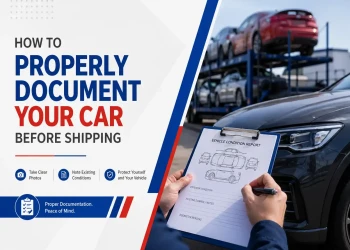
How to Properly Document Your Car Before Shipping
Don't let shipping damage deny your claim. Use this guide to meticulously document your car's condition before transport.

What to Remove from Your Car Before Shipping It Safely
Learn what to remove from your car before shipping to avoid delays, damage, or denied claims and understand the key rules and risk...
Ready to get an estimate from AmeriFreight
Auto Transport? Call us at (770) 486-1010
Get free quote
