

The automotive transportation industry moves a massive volume of assets every year. With a market size of nearly $9.9 billion and more than 3.12 million cars sold and shipped annually in the United States, the logistics network is vast and complex. Within this system, car transport documentation acts as your primary financial defense against transit risks. Global freight damage costs reach between $50 and $60 billion annually, and vehicle repair costs are inflating by 3 to 4 percent each year. Relying on a handshake or goodwill is not a strategy. You need irrefutable proof of your vehicle's condition.
The Carmack Amendment establishes strict liability for motor carriers regarding the loss or injury of property in transit. To hold a carrier responsible, you must prove the vehicle was handed over in good condition. Standard damage rates for single-truckload shipments sit between 0.5 percent and 2.0 percent. When vehicles are handled multiple times or moved between different trucks, that damage rate jumps to between 2.0 percent and 5.0 percent. Documentation is the only way to protect your investment in these scenarios.
Physical Preparation for High-Fidelity Inspections
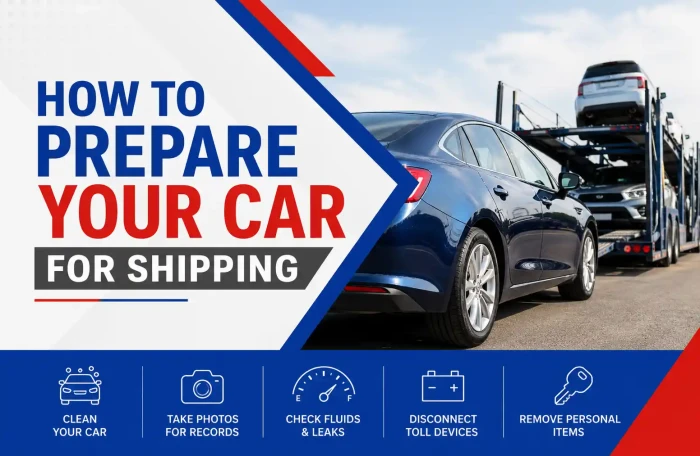
A dirty car obscures the documentation process. Dirt and grime can easily hide paint swirls, small dents, and existing scratches. Wash and dry your vehicle no more than 24 hours before the driver arrives. This allows for a clear visual inspection of the rocker panels, bumpers, and roof. These areas are highly susceptible to damage from ramp inclines and low-hanging branches.
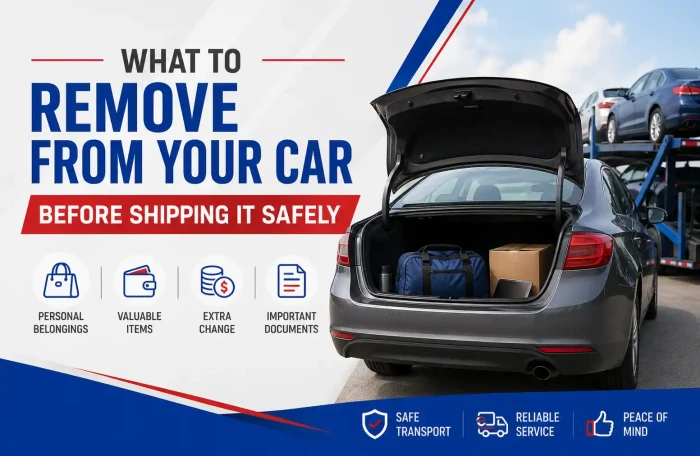
The interior must be completely cleared of personal belongings. Loose items can shift during transit and cause internal damage that carrier cargo insurance almost never covers. Clean all windows to allow for a thorough inspection of the glass. Pre-existing chips can expand into full cracks due to vibrations and temperature changes during long-distance transport.

Establishing a Complete Mechanical Baseline
Transport companies frequently use an "inherent vice" defense to deny claims. This legal concept blames transit issues on pre-existing internal mechanical failures. Documenting the mechanical baseline is vital to refute these claims. Check all essential fluids and record a video showing the engine bay and undercarriage are free of active leaks. Leaking brake fluid is highly corrosive and can easily damage the paint of vehicles parked below yours on a multi-car carrier.
Keep the fuel tank at approximately one-quarter full to reduce overall weight and maintain safety. Electric vehicle batteries must be maintained at a state of charge between 45 percent and 65 percent. If you are shipping a non-running vehicle, you must specify the exact nature of the mechanical fault. A car with restricted movement that can still steer requires different handling than a non-starting mobile vehicle or a completely immobile car with a seized transmission. Noting these exact faults ensures the carrier brings the proper winching equipment and prevents disputes about what was broken prior to loading.

Gathering Tamper-Evident Visual Proof
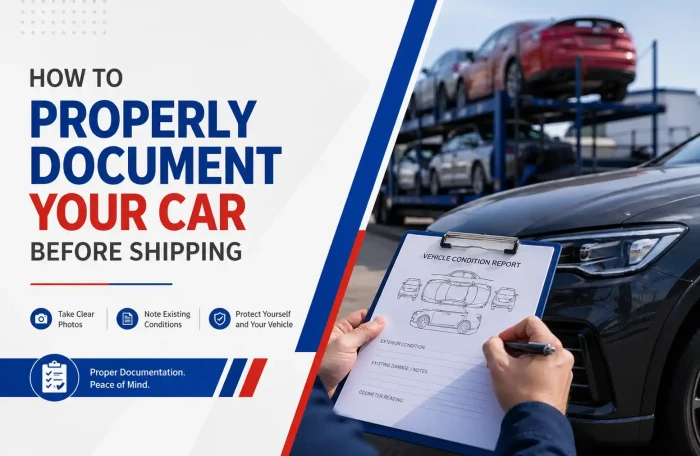
Written notes on a Bill of Lading provide a foundation. Digital media offers the strongest defense against denied claims. The clock method ensures you capture every angle without missing any blind spots. Imagine the vehicle parked in the center of a clock face. Take straight-on shots from 12:00, 03:00, 06:00, and 09:00. Move to the corners at 01:30, 04:30, 07:30, and 10:30 to photograph the intersections of the bumpers, fenders, and wheels.
Industry experts suggest taking 30 to 50 clear, date-stamped photos to provide a comprehensive record. Record a continuous video walk-around while narrating any existing flaws out loud. Film the dashboard with the engine running to prove the current mileage and the absence of warning lights.
Modern smartphones automatically embed EXIF data containing GPS coordinates and timestamps. This makes your photographic records tamper-evident. Proactive documentation is also moving beyond the odometer. Taking a pre-transport scan of the On-Board Diagnostics port provides a digital snapshot of the internal health of the car. The logistics industry is moving toward greater technological transparency. By 2026, many carriers are expected to use artificial intelligence to compare pickup and delivery photos in real time, automatically flagging discrepancies with 90 to 95 percent accuracy. The use of electronic records and blockchain technology is also creating permanent, unalterable ledgers for vehicle handoffs.
Formalizing the Handoff and Delivery Inspections
The Bill of Lading is a legal contract, a receipt, and a definitive condition report. It must contain specific data points, including the 17-digit Vehicle Identification Number and your choice of liability coverage. You must choose between "Full Value Protection" and "Released Rates." Released rates limit carrier liability to a specific dollar amount per pound. This drastically reduces your potential recovery amount if damage occurs. Every single scratch must be marked on the paperwork before the car goes onto the trailer.
The final delivery inspection requires absolute focus. A major implication of vehicle damage is diminished value. Even if a car is perfectly repaired, an accident history lowers its resale value. You must document the pre-transport market value through recent appraisals if you intend to seek compensation for this intangible financial loss.
Never sign the final Bill of Lading until your inspection is entirely finished. If you find a new scratch or dent, write the exact location and size directly on the document before the driver leaves. Courts and insurers view your signature on a clean document as conclusive evidence that the car was delivered in perfect condition. You instantly waive your right to file a standard damage claim the moment you sign without noting new issues.
Securing Your Financial Defense
The moments just before your vehicle is loaded and immediately after it is unloaded carry immense financial weight. A signature on transport documentation is a legally binding declaration of condition. Taking the time to properly wash the vehicle, clear the interior, establish a mechanical baseline, and capture dozens of high-resolution photos ensures that your investment remains protected against the unpredictable variables of the road. Treating the documentation process with the same level of scrutiny as the transport itself eliminates the ambiguities that lead to denied claims and out-of-pocket losses.