
Top-Rated North Carolina to Georgia Car Shipping Company
North Carolina to Georgia car shipping is a common Southeast transport lane for relocations, college moves, military transfers, seasonal travel, and household vehicle moves between nearby states. Most vehicles moving on the North Carolina to Georgia corridor arrive within about 1 to 3 days after pickup, depending on the exact pickup city, delivery city, carrier route, and scheduling conditions.


Start your free quote
Reviews
AmeriFreight Auto Transport Reviews
AmeriFreight Auto Transport is BBB-accredited and A-rated, and we're proud to say that customer service is our #1 priority. Don't just take our word for it, see what our customers have to say about our auto transport services!
Licensed & Accredited
How Much It Costs to Ship a Car from North Carolina to Georgia
Shipping a car from North Carolina to Georgia typically costs about $500 to $800 for open auto transport and about $875 to $1,400 for enclosed auto transport. That estimate usually includes carrier fees, fuel, and basic carrier liability while the vehicle is loaded and in transit.
Your final North Carolina to Georgia vehicle transport cost can vary based on several factors, including distance, vehicle size and weight, open versus enclosed transport, seasonal demand on this corridor, pickup and delivery flexibility, fuel prices, and vehicle condition. Shorter routes such as Charlotte to Atlanta may price differently than longer routes such as Raleigh to Savannah or Wilmington to Atlanta because carrier mileage, detours, and route density all affect the final estimate.
These costs are purely estimates, not fixed prices. Call AmeriFreight Auto Transport at (770) 486-1010 to talk through what your specific shipment would cost.

Most Popular North Carolina to Georgia Car Shipping Routes
| Route | Distance | Transit Time |
|---|---|---|
| Charlotte, NC to Atlanta, GA | 245 miles | 1–2 days |
| Raleigh, NC to Atlanta, GA | 405 miles | 1–3 days |
| Greensboro, NC to Atlanta, GA | 335 miles | 1–2 days |
| Durham, NC to Atlanta, GA | 385 miles | 1–3 days |
| Winston-Salem, NC to Atlanta, GA | 310 miles | 1–2 days |
| Asheville, NC to Atlanta, GA | 200 miles | 1–2 days |
| Wilmington, NC to Savannah, GA | 335 miles | 1–3 days |
| Fayetteville, NC to Augusta, GA | 255 miles | 1–2 days |
| Greenville, NC to Macon, GA | 430 miles | 1–3 days |
| Cary, NC to Athens, GA | 345 miles | 1–2 days |
What Affects Your North Carolina to Georgia Car Shipping Cost

DISTANCE
Most North Carolina to Georgia auto transport routes fall between about 200 and 450 miles, depending on whether the vehicle is moving between nearby metro areas or across the full width of both states. Distance is the primary pricing factor because long-haul interstate mileage affects fuel use, driver hours, dispatch planning, and overall carrier operating costs.

VEHICLE SIZE AND WEIGHT
Compact sedans and smaller coupes are typically cheaper to ship than SUVs, lifted trucks, cargo vans, dually pickups, or oversized vehicles. Larger and heavier vehicles take up more trailer space and add more weight to the load, which can reduce how many vehicles a carrier can legally and efficiently transport at once.

PICKUP AND DELIVERY FLEXIBILITY
Flexible pickup and delivery windows can help lower pricing because carriers can coordinate vehicles moving in the same direction more efficiently. Expedited shipping or narrow scheduling windows usually increase cost because the carrier has fewer routing options and may need to prioritize your shipment over other available loads.

SEASONAL DEMAND
Demand on the North Carolina to Georgia corridor can rise during summer moving season, holiday relocation periods, and college move-in windows connected to schools in Raleigh, Durham, Chapel Hill, Charlotte, Athens, and Atlanta. Winter weather is usually less severe than on northern routes, but western North Carolina mountain areas can still experience conditions that affect pickup access and scheduling.
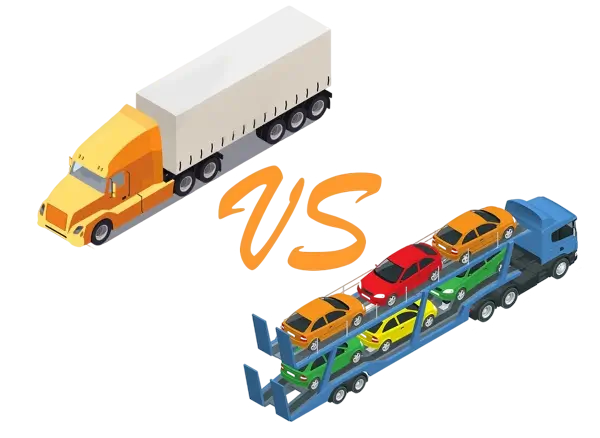
OPEN VS. ENCLOSED TRANSPORT
Open auto transport is the standard option for most vehicles shipped from North Carolina to Georgia and is usually the most budget-friendly choice. Enclosed transport protects the vehicle from normal road and weather exposure and commonly costs around 75 percent more on many routes, depending on the season, carrier availability, and vehicle requirements.

FUEL PRICES
Diesel and fuel costs influence auto transport pricing, even on shorter Southeast routes such as North Carolina to Georgia. When fuel prices rise, carriers may adjust rates to account for the added operating expense across I-85, I-77, I-95, I-20, I-75, and other connecting routes.

VEHICLE CONDITION
Operable vehicles are easier and faster to load, unload, and position on the trailer. Inoperable vehicles typically cost more because they may require winch loading equipment, additional handling, and more time during pickup and delivery.

PICKUP AND DELIVERY LOCATION
Shipping to or from major metro areas and common interstate corridors is usually less expensive because carriers already travel those lanes frequently. Routes involving Charlotte, Raleigh, Greensboro, Atlanta, Augusta, Savannah, Macon, or Athens are often more efficient than moves involving rural towns, western North Carolina mountain communities, coastal areas, or low-traffic Georgia destinations that require longer carrier detours.
How Long North Carolina to Georgia Car Shipping Takes
Most vehicles shipped from North Carolina to Georgia arrive within 1 to 3 days after pickup. Car carriers typically cover about 400 to 500 miles per day, so a route of roughly 350 miles generally lands within that short regional transit window once the vehicle is loaded and moving.
What Can Shift the Timing
- Weather, construction, holiday traffic, and metro congestion can all affect timing on this lane. Depending on the exact route, carriers may use I-85, I-77, I-40, I-95, I-20, I-75, US-74, or other connecting highways between North Carolina and Georgia.
- Pickup and delivery location accessibility also matters. Highway-adjacent metro areas such as Charlotte, Raleigh, Greensboro, Atlanta, Augusta, and Savannah are usually easier to schedule than rural addresses, gated communities, narrow streets, mountain roads, or low-clearance neighborhoods where a large carrier may need to meet at a nearby accessible location.
- Vehicle availability and pickup window flexibility can also shift timing. If the vehicle is ready to load and the pickup window is flexible, dispatchers usually have more options to match the shipment with a carrier already moving in the same direction.
Best and Slowest Months on This Corridor
- Customers shipping between North Carolina and Georgia during spring and fall generally see better carrier availability. March, April, May, September, October, and early November often bring steadier route conditions, milder weather, and more predictable scheduling across the Southeast.
- High-demand months include June, July, August, late November, December, and early January. During these periods, summer relocations, college schedules, holiday travel, and year-end moves can create longer carrier match times and tighter pickup windows.
Expedited Shipping Option
Expedited shipping prioritizes your vehicle for faster pickup and delivery on the North Carolina to Georgia corridor. This option is best described as prioritized pickup rather than a guaranteed pickup or delivery date.
Popular North Carolina to Georgia City Routes
North Carolina and Georgia share one of the busiest regional vehicle shipping corridors in the Southeast. Charlotte to Atlanta is the most frequently requested route, while Raleigh to Atlanta, Greensboro to Atlanta, and Wilmington to Savannah are also common because of corporate relocations, military transfers, college moves, retirement relocations, and families moving between two of the region's fastest-growing states.
Service Areas in North Carolina Origin
AmeriFreight Auto Transport provides statewide vehicle shipping services throughout North Carolina, including Charlotte, Raleigh, Durham, Greensboro, Winston-Salem, Fayetteville, Cary, Asheville, Wilmington, Greenville, Concord, High Point, Jacksonville, Gastonia, Chapel Hill, Burlington, Rocky Mount, New Bern, Hickory, and surrounding areas, location permitting.
Service Areas in Georgia Destination
AmeriFreight Auto Transport serves customers throughout Georgia, including Atlanta, Savannah, Augusta, Macon, Columbus, Athens, Roswell, Alpharetta, Marietta, Sandy Springs, Johns Creek, Warner Robins, Gainesville, Valdosta, Brunswick, Dalton, Rome, Albany, Peachtree City, and surrounding areas, location permitting.
Should You Drive or Ship Your Vehicle From North Carolina to Georgia?
There is no single right answer when deciding whether to drive or ship your vehicle from North Carolina to Georgia. The better choice depends on your schedule, budget, and priorities. While driving may appear less expensive at first glance, the total cost often includes fuel, meals, possible hotel stays, tolls, time away from work, vehicle wear and tear, depreciation from added mileage, and travel fatigue. Shipping the vehicle allows many customers to avoid those hidden costs while flying or using alternate transportation to reach their destination.
Drive Cost Breakdown
| Expense Category | Driving Yourself | Shipping the Vehicle |
|---|---|---|
| Fuel | $50–$90 | Included in shipping price |
| Hotel | $0–$150 | Not required |
| Meals | $30–$80 | Minimal travel meals |
| Vehicle wear & depreciation | $120–$250 | Avoided |
| Time commitment | 1–2 travel days | Vehicle travels separately |
| Auto transport + one-way flight | N/A | Approximately $600–$1,000 combined |
When Driving Makes Sense
Driving may make sense if you're traveling a relatively short distance, have a flexible schedule, enjoy road trips, or want to keep full control of the journey. It can also be practical if additional vehicle mileage is not a concern.
When Shipping Makes Sense
Shipping is often the more practical option when you're relocating for work, moving multiple vehicles, flying to Georgia, or trying to avoid unnecessary mileage and long hours behind the wheel. It also helps reduce wear on your vehicle while simplifying the overall move.
Get Started Today
Not sure which makes sense for your move?
Call (770) 486-1010 and an agent can walk through the math with you.
Open or Enclosed Auto Transport for the North Carolina to Georgia Route
Open Auto Transport
Open auto transport is the standard shipping method used for most vehicles traveling between North Carolina and Georgia. Since carriers frequently operate along major Southeast corridors such as I-85, I-77, I-20, I-75, and I-95, open transport offers efficient scheduling and competitive pricing for this route. Vehicles remain exposed to normal road conditions, weather, and highway debris during transport, similar to what they would experience if driven the route themselves. Most sedans, SUVs, pickup trucks, and everyday vehicles are shipped this way without issue, making open transport the most economical choice for the majority of customers.
Enclosed Auto Transport
Enclosed auto transport is commonly selected for luxury vehicles, exotic cars, collector vehicles, antiques, restored classics, and low-clearance performance cars moving between North Carolina and Georgia. Because the vehicle travels inside an enclosed trailer, it receives additional protection from rain, road debris, tree sap, dust, and highway grime throughout the trip. This option is especially attractive for owners who want additional protection during longer interstate travel or while transporting high-value automobiles. Enclosed transport generally costs about 75 percent more than open transport, although pricing varies depending on season, carrier availability, and vehicle specifications.
Simple 3-Step Process
How the Shipping Process Works
Shipping a car from North Carolina to Georgia is generally a straightforward process that can be broken into three simple steps.
The process begins by requesting a shipping estimate through AmeriFreight Auto Transport's online quote form or by calling a customer service agent. You'll provide the pickup ZIP code, delivery ZIP code, vehicle year, make, model, preferred transport type if applicable, and your estimated pickup timeframe. Using those details, AmeriFreight prepares a shipping estimate based on the route, current market conditions, vehicle specifications, and seasonal demand. There is no upfront payment before you choose a carrier for your shipment.
No upfront payment until you choose a carrierOnce you approve the shipment, AmeriFreight matches your order with a vetted, USDOT-registered, and insured carrier that regularly operates between North Carolina and Georgia. The carrier contacts you to confirm pickup details and scheduling. During pickup, the driver performs a detailed inspection of your vehicle, documents its condition on the Bill of Lading, and carefully loads it onto the transport trailer. You'll receive a copy of the inspection paperwork for your records before the carrier departs.
USDOT-registered & insured carriersAfter pickup, your vehicle typically travels using major interstate highways such as I-85, I-77, I-20, I-75, and I-95, depending on the origin and destination cities. Throughout transit, the carrier follows the planned route while making scheduled deliveries along the corridor. Once the vehicle reaches Georgia, you or another designated adult performs a final inspection with the driver, compares the vehicle to the original Bill of Lading, signs the delivery paperwork, and completes the shipment.
Bill of Lading signed at delivery
4.8


Over 1500+ Reviews BBB

4.8
Over 4,730+ Reviews Consumer Affairs

4.7

Over 5,300+ Reviews Google

4.9

Over 4000+ Reviews Transport Reviews

4.8
Over 9500+ Reviews Move.org

4.7
Over 500+ Reviews Trustpilot
What to Expect on Delivery Day
When your vehicle is approaching its Georgia destination, the carrier typically calls or texts with an estimated delivery window. Arrival times can change because of traffic around Atlanta, interstate construction, weather, road incidents, or delays from earlier deliveries along the route.
An adult who is at least 18 years old must be available to receive the vehicle. If you cannot attend personally, you may designate a trusted family member, friend, coworker, or relocation representative to inspect and accept the vehicle on your behalf.
The receiving party and driver inspect the vehicle together and compare its condition to the original Bill of Lading completed at pickup. Photos taken before transport are often helpful during this inspection. If any new scratches, dents, or other concerns are observed, they should be documented on the Bill of Lading before signing the delivery paperwork.
If you notice possible transport-related damage, document it immediately on the Bill of Lading before completing delivery paperwork. Do not sign the shipment as fully completed if something appears incorrect or damaged.
Customers enrolled in the AFTA PLAN gap protection program have 48 hours from delivery to report eligible damages.
The remaining carrier balance is typically paid when the vehicle is delivered. Depending on the carrier's policies, accepted payment methods commonly include certified check, money order, or cash. Your customer service agent explains the carrier's payment requirements before pickup so there are no surprises on delivery day.
Once the inspection is complete and the paperwork has been signed, the shipment is officially complete, you receive a copy of the signed Bill of Lading, and the carrier continues to its next scheduled delivery.
Preparing Your Vehicle for North Carolina to Georgia Transport
Preparing your vehicle before pickup only takes a small amount of time and helps ensure a smoother inspection, loading process, and delivery. Following these steps reduces misunderstandings about vehicle condition and helps the carrier transport your vehicle safely and efficiently.
What to Do
- Wash your vehicle so existing scratches, dents, paint chips, and cosmetic damage are easy to identify during the pickup inspection.
- Remove personal belongings before transport. DOT regulations generally prohibit carriers from transporting household goods or loose personal items inside vehicles. If a carrier allows limited personal items, prior approval and additional restrictions or fees may apply.
- Take clear photographs of the vehicle from multiple angles before pickup to document its condition.
- Leave approximately one-quarter tank of fuel for loading and unloading.
- Check tire pressure and make sure the battery is fully charged and operational.
- Disable aftermarket alarms or anti-theft systems before pickup.
- Remove or secure exterior accessories such as antennas, roof racks, cargo boxes, bike racks, spoilers, or custom accessories whenever possible.
- Provide the carrier with one working key for loading, unloading, and repositioning the vehicle during transport.
Why AmeriFreight
Why Customers Choose AmeriFreight Auto Transport
AmeriFreight Auto Transport does not require payment before a carrier is selected for your shipment. No upfront payment until you choose a carrier.
Customers may cancel their shipment order without charge if the vehicle has not yet been dispatched to a carrier.
Cancel free before carrier dispatchAmeriFreight Auto Transport works only with carriers that meet USDOT licensing and insurance requirements while maintaining public safety and performance records. Customers do not have to independently screen transport companies before shipping.
AmeriFreight Auto Transport is one of the best-reviewed auto transport companies in the industry, with strong customer ratings across BBB, ConsumerAffairs, Google, Trustpilot, and Transport Reviews. Recent public ratings include approximately 4.8/5 on BBB customer reviews, 4.7/5 on Trustpilot, and consistently high ratings across other major review platforms, reflecting thousands of verified customer experiences.
Carrier liability coverage applies while your vehicle is loaded and in transit, although every carrier policy contains limitations, exclusions, and deductible considerations depending on the circumstances. AFTA PLAN is an optional gap protection program designed to help cover eligible portions of your insurance deductible if qualifying damage is reported within 48 hours after delivery. AFTA PLAN is not insurance and does not replace or extend the carrier's liability coverage.
Customers shipping between North Carolina and Georgia may qualify for route-eligible discounts, including:
Customer service agents can confirm which discounts apply to your shipment when you call.
Buyer's Guide
What to Look for in a Car Shipping Company for North Carolina to Georgia Routes
North Carolina-to-Georgia shipments are among the most commonly quoted lanes in the Southeast, meaning customers often receive multiple offers with very different pricing and service levels. Knowing what separates an established transport company from a lead-generation website or low-quality operator can help you avoid unnecessary delays and surprises.
Legitimate auto transport companies publicly display both their USDOT and MC numbers on their website. Customers can independently verify these credentials using the FMCSA SAFER database before booking a shipment.
Vehicle shipping prices naturally change based on season, carrier availability, vehicle size, and market demand. Quotes that are dramatically lower than everyone else's may indicate unrealistic pricing or bait-and-switch tactics, while normal quote differences are usually measured in hundreds of dollars rather than extreme gaps.
Be cautious of companies requesting full payment before assigning a carrier. Reputable transport companies generally collect payment only after the customer approves a carrier assignment for the shipment.
Established companies maintain customer reviews across BBB, ConsumerAffairs, Google, Trustpilot, and Transport Reviews. Consistent ratings across multiple review sites usually provide a more reliable picture than unusually high ratings appearing on only one platform.
Being able to speak directly with a live customer service agent is one of the simplest ways to verify that an auto transport company is actively supporting customers. AmeriFreight Auto Transport customer service agents are available at (770) 486-1010.
Relocation Guidance
State Insights for North Carolina to Georgia Moves
New Georgia residents are generally expected to transfer their driver's license and register titled vehicles within 30 days of establishing residency. Registration is completed through the county Tag Office, and Georgia requires proof of Georgia liability insurance before registration can be completed. Depending on where you move, an emissions inspection may also be required. Residents in the Atlanta metropolitan emissions area—including counties such as Fulton, Cobb, DeKalb, Gwinnett, and several surrounding counties—must complete emissions testing before registration renewal or initial registration when applicable.
Unlike North Carolina, Georgia does not conduct a statewide annual vehicle safety inspection. New residents should also prepare to transfer the vehicle title, present proof of ownership, provide identification, and pay applicable title and registration fees. Since DMV requirements occasionally change, customers should verify current requirements with the Georgia Department of Revenue or their local County Tag Office before completing registration.
Before relocating from North Carolina, make sure your vehicle registration, insurance, title paperwork, and annual inspection requirements are current. North Carolina requires annual safety inspections for most registered vehicles, while emissions inspections also apply in several counties, including Wake, Mecklenburg, Durham, Forsyth, Guilford, and others participating in the state's emissions program.
If you're moving permanently out of North Carolina, remember that license plates generally must be surrendered after liability insurance is canceled. Canceling insurance before properly handling registration can result in penalties from the North Carolina Division of Motor Vehicles. It's also a good idea to resolve any unpaid tolls, parking citations, registration renewals, or title issues before your vehicle is shipped to Georgia, helping make your transition much smoother.
Frequently Asked Questions
Most North Carolina to Georgia shipments cost between $500 and $800 using open transport and approximately $875 to $1,400 using enclosed transport. Final pricing depends on route distance, vehicle size, transport type, seasonal demand, pickup flexibility, and current carrier availability. These figures are estimates only. For a personalized estimate, call AmeriFreight Auto Transport at (770) 486-1010.
Most shipments arrive within 1 to 3 days after pickup. Once your vehicle is in transit, carriers generally travel about 400 to 500 miles per day, although weather, traffic, construction, and pickup scheduling may affect overall timing.
Yes. Either you or another trusted adult at least 18 years old must be available during pickup and delivery to inspect the vehicle, review the Bill of Lading, and sign the required paperwork.
Carrier liability coverage applies while the vehicle is loaded and being transported. Customers may also choose AFTA PLAN, an optional gap protection program for qualifying shipments when eligible damage is reported within 48 hours after delivery.
Open transport is the most common shipping option and the most economical choice for North Carolina to Georgia vehicle transport. Your vehicle remains exposed to normal weather and road conditions during transit.
Enclosed transport provides additional protection from weather, dust, and road debris throughout the trip. It is commonly selected for luxury, collector, classic, exotic, or specialty vehicles and generally costs about 75 percent more than open transport.
Ready to ship your car from North Carolina to Georgia?
Talk to a customer service agent. No upfront payment until you choose a carrier.
Auto Transport Services Coast to Coast, State to State
- Alabama Car Shipping
- Alaska Car Shipping
- Arizona Car Shipping
- Arkansas Car Shipping
- California Car Shipping
- Colorado Car Shipping
- Connecticut Car Shipping
- Delaware Car Shipping
- Florida Car Shipping
- Georgia Car Shipping
- Hawaii Car Shipping
- Idaho Car Shipping
- Illinois Car Shipping
- Indiana Car Shipping
- Iowa Car Shipping
- Kansas Car Shipping
- Kentucky Car Shipping
- Louisiana Car Shipping
- Maine Car Shipping
- Maryland Car Shipping
- Massachusetts Car Shipping
- Michigan Car Shipping
- Minnesota Car Shipping
- Mississippi Car Shipping
- Missouri Car Shipping
- Montana Car Shipping
- Nebraska Car Shipping
- Nevada Car Shipping
- New Hampshire Car Shipping
- New Jersey Car Shipping
- New Mexico Car Shipping
- New York Car Shipping
- North Carolina Car Shipping
- North Dakota Car Shipping
- Ohio Car Shipping
- Oklahoma Car Shipping
- Oregon Car Shipping
- Pennsylvania Car Shipping
- Rhode Island Car Shipping
- South Carolina Car Shipping
- South Dakota Car Shipping
- Tennessee Car Shipping
- Texas Car Shipping
- Utah Car Shipping
- Vermont Car Shipping
- Virginia Car Shipping
- Washington Car Shipping
- West Virginia Car Shipping
- Wisconsin Car Shipping
- Wyoming Car Shipping
Detailed video guides for every shipping requirement
Learn More About Auto Transport
Read Our Auto Transport Guides

Shipping a Flood-Damaged Car
Shipping a flood-damaged car? Learn risks, costs, and what carriers require to avoid delays, failed pickups, and costly surprises.
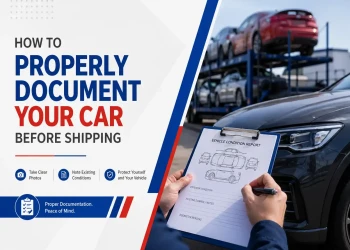
How to Properly Document Your Car Before Shipping
Don't let shipping damage deny your claim. Use this guide to meticulously document your car's condition before transport.

What to Remove from Your Car Before Shipping It Safely
Learn what to remove from your car before shipping to avoid delays, damage, or denied claims and understand the key rules and risk...
Ready to get an estimate from AmeriFreight
Auto Transport? Call us at (770) 486-1010
Get free quote
