Top-Rated New York to Maryland Car Shipping Company
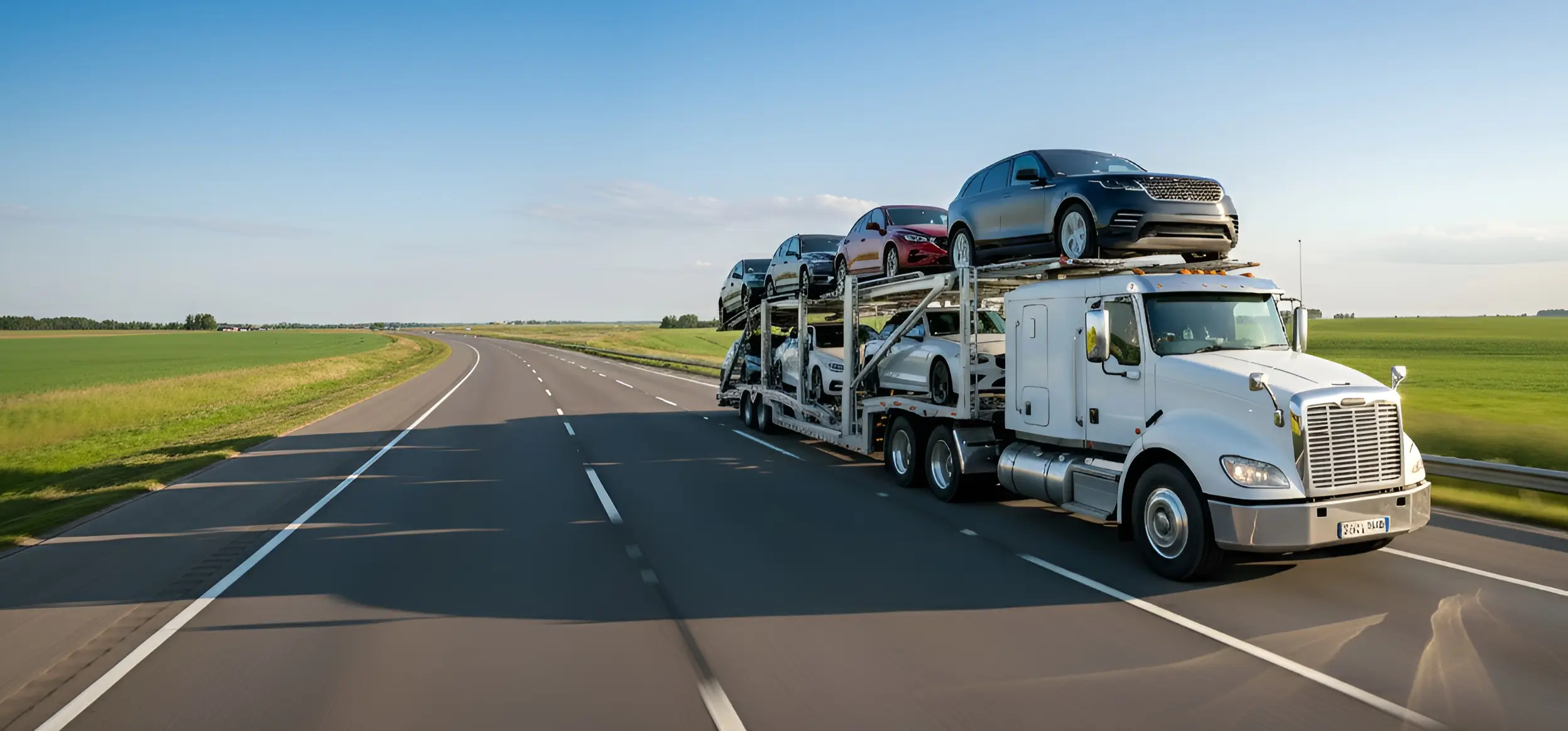
New York to Maryland car shipping commonly follows the busy Northeast and Mid-Atlantic corridor, with most vehicles arriving within 1 to 3 days after pickup. Whether you are moving from New York City, Long Island, Albany, Buffalo, or another part of the state, AmeriFreight Auto Transport can help coordinate delivery throughout Maryland.

Start your free quote
Reviews
AmeriFreight Auto Transport Reviews
AmeriFreight Auto Transport is BBB-accredited and A-rated, and we're proud to say that customer service is our #1 priority. Don't just take our word for it, see what our customers have to say about our auto transport services!
Licensed & Accredited
How Much It Costs to Ship a Car from New York to Maryland
Shipping a car from New York to Maryland typically costs an estimated $500 to $800 with open transport or $875 to $1,400 with enclosed transport. These estimates generally account for carrier compensation, fuel expenses, and the carrier’s basic liability coverage while the vehicle is in transit.
The final price can vary based on the exact distance, vehicle size and weight, open versus enclosed service, seasonal demand on the Northeast corridor, pickup and delivery flexibility, diesel prices, vehicle condition, and how close each address is to a major carrier route. These figures are estimates only, and actual carrier-market pricing can change from one shipment to another.
Call AmeriFreight Auto Transport at (770) 486-1010 to talk through what your specific shipment would cost.
Most Popular New York to Maryland Car Shipping Routes
| Route | Distance | Transit Time |
|---|---|---|
| New York City to Baltimore | About 190 miles | 1–2 days |
| New York City to Annapolis | About 220 miles | 1–2 days |
| Brooklyn to Silver Spring | About 230 miles | 1–2 days |
| Long Island to Bethesda | About 260 miles | 1–2 days |
| Albany to Baltimore | About 330 miles | 1–2 days |
| Syracuse to Baltimore | About 330 miles | 1–2 days |
| Rochester to Frederick | About 350 miles | 1–3 days |
| Buffalo to Baltimore | About 370 miles | 1–3 days |
| White Plains to Columbia | About 225 miles | 1–2 days |
| Poughkeepsie to Rockville | About 280 miles | 1–2 days |
What Affects Your New York to Maryland Car Shipping Cost

DISTANCE
New York-to-Maryland shipments commonly cover approximately 190 to 420 miles, depending on whether pickup is in New York City, Long Island, the Hudson Valley, Central New York, or Western New York. Mileage is a primary pricing factor because it affects fuel use, driver hours, tolls, and the carrier’s overall operating cost.

VEHICLE SIZE AND WEIGHT
A compact sedan normally costs less to transport than a large SUV, lifted pickup, cargo van, or dually truck. Larger and heavier vehicles occupy more trailer space, may reduce the number of vehicles a carrier can load, and can increase fuel consumption.

PICKUP AND DELIVERY FLEXIBILITY
A flexible pickup window gives a carrier more opportunities to coordinate your vehicle with other cars traveling south toward Maryland. Expedited service, exact-day requests, and narrow delivery windows typically cost more because fewer carriers can accommodate them efficiently.

SEASONAL DEMAND
Demand often increases during the summer moving season, at the beginning and end of college semesters, and around major holiday relocation periods. Winter storms affecting New York, Pennsylvania, New Jersey, Delaware, and Maryland can also tighten carrier schedules along the I-95 and I-81 corridors.
OPEN VS. ENCLOSED TRANSPORT
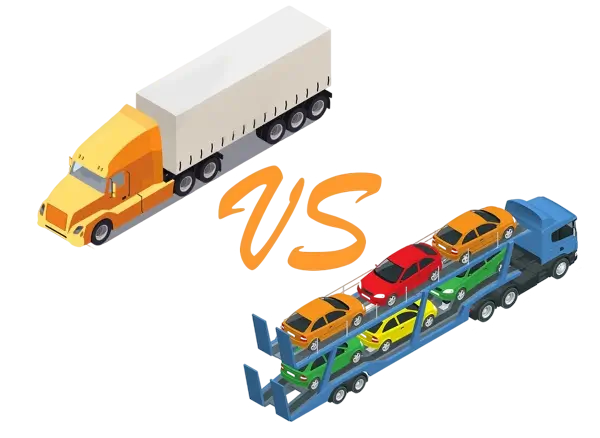
Open transport is the standard option and generally offers the lowest price for this route. Enclosed carriers provide added protection from road and weather exposure but commonly cost around 75% more, depending on the season and the number of enclosed carriers operating between New York and Maryland.

FUEL PRICES
Diesel prices influence what carriers charge, even on a relatively short interstate route. Changes in fuel costs can affect quotes for vehicles moving along I-95, I-81, the New Jersey Turnpike, and connecting highways.
VEHICLE CONDITION
An operable vehicle is usually faster and easier to load, position, and unload. An inoperable vehicle generally costs more because the carrier must have winch equipment and may need additional time and assistance during loading.
PICKUP AND DELIVERY LOCATION
Shipments involving New York City, Albany, Buffalo, Baltimore, Silver Spring, Rockville, or other highway-adjacent metros are often easier to match with a carrier. Pickup in the Adirondacks, Catskills, far eastern Long Island, rural Western New York, Western Maryland, or the Eastern Shore may require a longer detour and can increase the price.
How Long New York to Maryland Car Shipping Takes
Most vehicles traveling between New York and Maryland arrive within 1 to 3 days after pickup. Car carriers typically cover about 400 to 500 miles per day once in transit, so a representative 300-mile shipment generally falls within that window, although scheduled stops and traffic can extend the trip.
What Can Shift the Timing
- Traffic on I-95, the New Jersey Turnpike, I-295, I-695, I-70, and I-81 can affect arrival times, especially near New York City, Philadelphia, Wilmington, Baltimore, and Washington-area suburbs. Snow, freezing rain, coastal storms, summer construction, holiday congestion, and accidents can also slow the carrier.
- Highway-adjacent addresses are usually easier to schedule than rural locations in the Adirondacks, Catskills, Southern Tier, Western Maryland, or the Eastern Shore. Carrier availability, the number of vehicles already assigned to the trailer, and the flexibility of the pickup window can affect how quickly dispatch occurs.
Best and Slowest Months on This Corridor
- Customers shipping between New York and Maryland during April, May, September, and October generally see better carrier availability outside major holiday and peak relocation periods.
- Demand can be heavier from June through August, around college move-in and move-out dates, and during late-November and December holiday windows. Customers should expect potentially longer carrier-matching times and tighter pickup availability during these periods.
Expedited Shipping Option
Expedited shipping prioritizes the vehicle for faster carrier matching and pickup on the New York-to-Maryland corridor. It can reduce scheduling time, but pickup and delivery dates remain subject to traffic, weather, driver-hour rules, and carrier availability.
Popular New York to Maryland City Routes
New York City to Baltimore is popular with households relocating along the I-95 corridor, while Long Island to Bethesda and Silver Spring frequently serves professional and family moves into the Washington metropolitan area. Albany-to-Baltimore and Buffalo-to-Frederick shipments are also common for military, education, employment, and seasonal relocations.
Service Areas in New York Origin
AmeriFreight Auto Transport serves customers throughout New York, including New York City, Brooklyn, Queens, the Bronx, Staten Island, Long Island, White Plains, Poughkeepsie, Albany, Saratoga Springs, Syracuse, Rochester, Buffalo, Binghamton, and surrounding areas, location permitting. Service may also be arranged in the Hudson Valley, Capital Region, Southern Tier, North Country, Finger Lakes, and Western New York when a safe and practical carrier-access point is available.
Service Areas in Maryland Destination
Maryland service includes Baltimore, Annapolis, Columbia, Silver Spring, Bethesda, Rockville, Gaithersburg, Frederick, Laurel, Bowie, Waldorf, Hagerstown, Westminster, Salisbury, Ocean City, and surrounding areas, location permitting. Pickup and delivery may also be coordinated throughout Central Maryland, the Baltimore–Washington corridor, Southern Maryland, Western Maryland, and the Eastern Shore.
Should You Drive or Ship Your Vehicle From New York to Maryland?
There is no universal right answer because the best option depends on the exact cities, your schedule, and how much you value convenience. Driving involves more than fuel alone: tolls, meals, possible lodging, time away from work, added mileage, maintenance, depreciation, and travel fatigue should be compared with the price of auto transport plus a train ticket, flight, rental car, or other transportation at arrival.
Drive Cost Breakdown
| Expense Category | Driving Yourself | Shipping the Vehicle |
|---|---|---|
| Fuel | About $25–$60 | Included in carrier estimate |
| Tolls and parking | About $20–$60 | Usually not a separate customer charge |
| Hotel stays | Usually $0; up to $150 for longer upstate routes | Not required |
| Food and meals | About $25–$75 | Not required during vehicle transit |
| Vehicle wear and mileage depreciation | About $60–$180 | Avoids most route mileage |
| Time commitment | Roughly 4–9 driving hours, depending on cities | Time needed for pickup and delivery handoffs |
| Transport plus alternate travel | Not applicable | About $550–$1,050 for open transport plus train, flight, or local transportation |
When Driving Makes Sense
Driving may make sense when the route is short, your schedule is flexible, and you enjoy taking the trip yourself. It may also be practical when added mileage and time behind the wheel are not concerns.
When Shipping Makes Sense
Shipping is often more practical for longer upstate routes, multi-vehicle households, tightly scheduled relocations, and owners who want to avoid additional mileage or wear. It can also be convenient when the owner is already traveling to Maryland by train or air.
Get Started Today
Not sure which makes sense for your move?
Call (770) 486-1010 and an agent can walk through the math with you.
Open or Enclosed Auto Transport for the New York to Maryland Route
Open Auto Transport
Open transport is the standard and most commonly used service for vehicles moving between New York and Maryland. On this corridor, carriers may encounter heavy I-95 traffic, rain, road spray, winter salt, summer heat, and ordinary construction debris. Vehicles remain exposed to normal road and weather conditions, much as they would if driven directly. Most sedans, SUVs, pickups, and daily-use vehicles travel by open carrier without issue, and it is usually the most budget-friendly choice.
Enclosed Auto Transport
Enclosed transport is often selected for luxury, exotic, classic, collectible, restored, or low-clearance vehicles. The enclosed trailer offers added protection from rain, snow, road salt, highway debris, and other exposure along the Northeast and Mid-Atlantic corridor. This option can be particularly appealing during winter or for high-value vehicles entering dense urban areas. Enclosed shipping generally costs about 75% more than open transport, depending on the route, season, and carrier availability.
Simple 3-Step Process
How the Shipping Process Works
Shipping a car from New York to Maryland is generally a straightforward process that can be divided into three steps.
Start by requesting an estimate through AmeriFreight’s online form or by calling a customer service agent. You will provide the pickup and delivery ZIP codes, vehicle year, make and model, preferred transport type when applicable, and approximate pickup timeframe. AmeriFreight then develops a shipping estimate based on the route, season, vehicle, and current carrier market. Customers are not charged upfront before choosing a carrier for the shipment.
No upfront payment until you choose a carrierAmeriFreight matches the shipment with a vetted, USDOT-registered, and insured carrier operating on the New York-to-Maryland corridor. The carrier contacts the customer to discuss the pickup window and access requirements. At pickup, the driver inspects the vehicle, records its condition on the Bill of Lading, and loads it onto the trailer. The customer receives a copy of the inspection documentation for their records.
USDOT-registered & insured carriersDepending on the cities involved, the carrier may travel along I-95, the New Jersey Turnpike, I-295, I-695, I-70, I-83, I-81, or connecting state highways. At the Maryland destination, the customer or another designated adult inspects the vehicle, compares its condition with the pickup record, signs the delivery documents, and completes the shipment process.
Bill of Lading signed at delivery
4.8


Over 1500+ Reviews BBB

4.8
Over 4,730+ Reviews Consumer Affairs

4.7

Over 5,320+ Reviews Google

4.9

Over 4000+ Reviews Transport Reviews

4.8
Over 9500+ Reviews Move.org

4.7
Over 500+ Reviews Trustpilot
What to Expect on Delivery Day
The carrier normally calls or texts before arrival with an estimated delivery window. Timing may shift because of New York or Baltimore-area traffic, weather on I-95 or I-81, construction, accidents, driver-hour limits, or deliveries scheduled ahead of yours.
An adult age 18 or older must be available to accept the vehicle. When the customer cannot attend, a trusted friend, relative, coworker, property manager, or relocation contact may be designated to complete the inspection and sign the paperwork.
The driver and receiving party inspect the vehicle together and compare its condition with the Bill of Lading completed in New York. Pickup photographs can be useful during this review. Any newly observed scratch, dent, leak, or other concern should be written on the Bill of Lading before the delivery documents are signed.
Document any newly observed damage on the Bill of Lading immediately during the inspection. Do not sign the paperwork as fully completed when something appears incorrect or damaged.
Customers enrolled in the AFTA PLAN gap protection program have 48 hours from delivery to report damages.
The remaining carrier balance is typically paid at delivery. Depending on the carrier’s policy, accepted payment methods may include cash, certified check, or money order. The payment requirements are provided before pickup so the customer knows what will be needed at delivery.
Once the inspection and paperwork are complete, the shipment is officially finished, the customer receives a copy of the signed Bill of Lading, and the driver continues to the next scheduled stop.
Preparing Your Vehicle for New York to Maryland Transport
Preparing a vehicle for state-to-state transport usually takes only a small amount of time. Completing these steps helps the inspection proceed smoothly, reduces misunderstandings about prior vehicle condition, and allows the carrier to load and unload efficiently.
What to Do
- Wash the vehicle. A reasonably clean exterior makes existing scratches, dents, chips, and other cosmetic issues easier to identify during the pickup inspection.
- Remove personal belongings. DOT rules generally prohibit carriers from transporting household goods or loose personal items inside vehicles. When a carrier permits a limited amount, it normally requires prior approval and may involve weight limits, placement restrictions, or additional fees.
- Take clear photographs. Photograph each side, the front, rear, roof, wheels, windshield, and any existing damage before pickup.
- Leave about one-quarter tank of fuel. This provides enough fuel for loading, unloading, and repositioning without adding unnecessary trailer weight.
- Check the tires and battery. Confirm that tire pressure is adequate and that the battery can start the vehicle reliably.
- Disable aftermarket alarms. Turn off alarms or anti-theft systems that could activate while the vehicle is on the trailer.
- Secure exterior accessories. Remove, fold, retract, or secure antennas, bike racks, roof boxes, spoilers, and other detachable accessories when possible.
- Provide a working key. The driver needs a functional key or key fob to load, unload, and reposition the vehicle safely.
Why AmeriFreight
Why Customers Choose AmeriFreight Auto Transport
AmeriFreight Auto Transport does not require payment before a carrier is selected for the shipment. No upfront payment until you choose a carrier.
Customers may cancel their shipment order without charge when the vehicle has not yet been dispatched to a carrier.
Cancel free before carrier dispatchAmeriFreight Auto Transport works with carriers that meet USDOT licensing and insurance requirements and have publicly available safety and performance records. Customers do not have to independently screen every transport driver.
AmeriFreight Auto Transport is one of the best-reviewed companies in the industry, with established review histories on BBB, ConsumerAffairs, Google, Trustpilot, and Transport Reviews. As of July 2026, the BBB customer-review page displayed an average of 4.81 out of 5 from 671 reviews, while ConsumerAffairs reported that 96% of 467 recent reviewers who discussed staff were satisfied or happy. Review totals and ratings can change as customers add new feedback.
The assigned carrier’s liability coverage applies while the vehicle is in transit, but individual policies may include exclusions or deductible-related gaps. AFTA PLAN is an optional gap protection program designed to help cover up to a defined portion of a customer’s insurance deductible when eligible damage is reported within 48 hours of delivery. AFTA PLAN does not replace or extend the carrier’s liability policy.
Route-eligible discounts may be available to qualifying customers shipping between New York and Maryland, including:
Customer service agents can confirm which discounts apply to your shipment when you call.
Buyer's Guide
What to Look for in a Car Shipping Company for New York to Maryland Routes
New York-to-Maryland routes receive frequent quotes because they connect several large Northeast and Mid-Atlantic population centers. That volume can produce offers with widely different service levels, so customers should distinguish established transport companies from lead-generation websites and low-quality operators.
A legitimate auto transport company should publicly display its USDOT and MC numbers, commonly in its website footer, credentials page, or About section. Customers can verify these numbers through the FMCSA SAFER database before booking.
Auto transport pricing changes with route demand, season, vehicle type, location, and carrier availability. A quote dramatically below the rest of the market may signal a bait-and-switch approach; normal variation is generally measured in hundreds of dollars rather than extreme gaps.
Be cautious when a company demands full payment before assigning a carrier. Established transport companies generally request payment only after the customer reviews and approves a specific carrier match.
Established companies usually maintain review histories on BBB, ConsumerAffairs, Google, Trustpilot, and Transport Reviews. Look for reasonably consistent feedback and meaningful review volume across several platforms rather than an unusually high score appearing on only one site.
Direct access to a live customer service agent is one of the easiest ways to confirm that a transport company is active and responsive. AmeriFreight Auto Transport customer service agents can be reached at (770) 486-1010.
Relocation Guidance
State Insights for New York to Maryland Moves
A new Maryland resident generally must obtain a Maryland driver’s license and title and register the vehicle within 60 days of establishing residency. The Maryland MVA normally requires the out-of-state title, proof of Maryland insurance, an application, applicable taxes and fees, and a Maryland Safety Inspection Certificate when required. Most vehicles must pass a Maryland safety inspection before they can be titled and registered, and many registered vehicles later participate in the state’s Vehicle Emissions Inspection Program. New residents with a lien should have the lienholder’s account and contact information available because title documents may need to be obtained directly.
Maryland requires continuously maintained coverage issued by a company authorized to operate in the state. Common statutory minimums include $30,000 for bodily injury to one person, $60,000 per accident, and $15,000 for property damage, along with required uninsured-motorist coverage and personal injury protection unless an eligible waiver applies. Maryland uses a fault-based liability system but also requires PIP to be offered as part of its coverage framework. Drivers should confirm current requirements with the MVA and their insurer before registering.
Before leaving New York, confirm that the vehicle’s registration, inspection, tolls, parking obligations, title records, and insurance remain in good standing through the move. New York-registered vehicles generally require an annual safety inspection, and most are also subject to annual emissions testing. An expired inspection can interfere with registration renewal, although a vehicle being permanently retitled in Maryland will follow Maryland’s requirements after the transfer.
New York requires residents registering a vehicle in another state to surrender their New York plates and registration. Plates must be surrendered before New York liability insurance is canceled; otherwise, the DMV may suspend the registration and potentially the driver’s license. Plates may be returned at a DMV office or by mail, and the owner should retain the FS-6T plate-surrender receipt. Do not remove New York coverage until the plate-surrender and Maryland registration sequence has been coordinated. Owners with financed or leased vehicles should also contact the lienholder or leasing company early to arrange any needed title documents.
Frequently Asked Questions
Open auto transport generally costs an estimated $500 to $800, while enclosed service generally costs $875 to $1,400. The exact amount depends on the mileage, vehicle size, transport method, season, carrier availability, and flexibility of the pickup address and timing. These amounts are estimates rather than guaranteed quotes. Call AmeriFreight Auto Transport at (770) 486-1010 for a shipment-specific estimate.
Most vehicles arrive within 1 to 3 days after pickup. Carriers commonly travel around 400 to 500 miles per day once in transit, but traffic, weather, scheduled stops, pickup timing, and carrier availability can affect the total schedule.
The customer or another trusted adult age 18 or older must be present at pickup and delivery. That person releases or receives the vehicle, reviews the condition inspection, and signs the Bill of Lading.
The assigned carrier’s liability coverage applies while the vehicle is loaded and in transit, subject to the carrier policy’s terms, exclusions, and limits. AFTA PLAN is available as optional gap protection for qualifying shipments when eligible damage is reported within 48 hours after delivery.
Open transport exposes the vehicle to ordinary highway and weather conditions and is the most common choice for sedans, SUVs, trucks, and daily drivers traveling between New York and Maryland. It is also normally the lower-cost option.
Enclosed transport surrounds the vehicle within a covered trailer and offers added protection from rain, snow, road salt, and debris. It is generally chosen for luxury, exotic, classic, collectible, restored, or low-clearance vehicles and commonly costs around 75% more.
Ready to Ship Your Car from New York to Maryland?
Talk to a customer service agent. No upfront payment until you choose a carrier.
Auto Transport Services Coast to Coast, State to State
- Alabama Car Shipping
- Alaska Car Shipping
- Arizona Car Shipping
- Arkansas Car Shipping
- California Car Shipping
- Colorado Car Shipping
- Connecticut Car Shipping
- Delaware Car Shipping
- Florida Car Shipping
- Georgia Car Shipping
- Hawaii Car Shipping
- Idaho Car Shipping
- Illinois Car Shipping
- Indiana Car Shipping
- Iowa Car Shipping
- Kansas Car Shipping
- Kentucky Car Shipping
- Louisiana Car Shipping
- Maine Car Shipping
- Maryland Car Shipping
- Massachusetts Car Shipping
- Michigan Car Shipping
- Minnesota Car Shipping
- Mississippi Car Shipping
- Missouri Car Shipping
- Montana Car Shipping
- Nebraska Car Shipping
- Nevada Car Shipping
- New Hampshire Car Shipping
- New Jersey Car Shipping
- New Mexico Car Shipping
- New York Car Shipping
- North Carolina Car Shipping
- North Dakota Car Shipping
- Ohio Car Shipping
- Oklahoma Car Shipping
- Oregon Car Shipping
- Pennsylvania Car Shipping
- Rhode Island Car Shipping
- South Carolina Car Shipping
- South Dakota Car Shipping
- Tennessee Car Shipping
- Texas Car Shipping
- Utah Car Shipping
- Vermont Car Shipping
- Virginia Car Shipping
- Washington Car Shipping
- West Virginia Car Shipping
- Wisconsin Car Shipping
- Wyoming Car Shipping
Detailed video guides for every shipping requirement
Learn More About Auto Transport
Read Our Auto Transport Guides
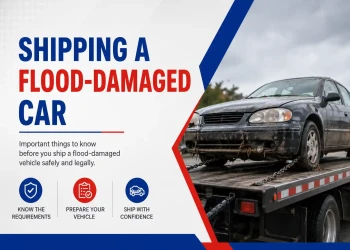
Shipping a Flood-Damaged Car
Shipping a flood-damaged car? Learn risks, costs, and what carriers require to avoid delays, failed pickups, and costly surprises.
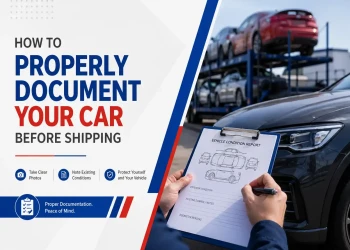
How to Properly Document Your Car Before Shipping
Don't let shipping damage deny your claim. Use this guide to meticulously document your car's condition before transport.
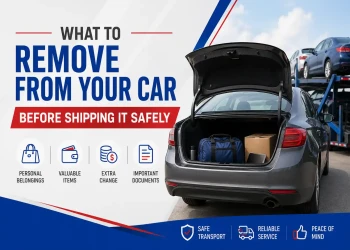
What to Remove from Your Car Before Shipping It Safely
Learn what to remove from your car before shipping to avoid delays, damage, or denied claims and understand the key rules and risk...
Ready to get an estimate from AmeriFreight
Auto Transport? Call us at (770) 486-1010
Get free quote
