
Top-Rated Connecticut to South Carolina Car Shipping Company
Connecticut to South Carolina car shipping is a long Northeast-to-Southeast corridor covering roughly 750 to 900 miles depending on the exact pickup and delivery cities. Most vehicles on this lane typically arrive within about 2 to 4 days after pickup.


Start your free quote
AmeriFreight Auto Transport Reviews
AmeriFreight Auto Transport is BBB-accredited and A-rated, and we're proud to say that customer service is our #1 priority. Don't just take our word for it, see what our customers have to say about our auto transport services!
Licensed & Accredited
How Much It Costs to Ship a Car from Connecticut to South Carolina
Shipping a car from Connecticut to South Carolina typically costs an estimated $800 to $1,100 for open transport and approximately $1,400 to $1,925 for enclosed transport. These estimates generally include carrier fees, fuel, and basic carrier liability associated with transporting the vehicle.
Actual pricing varies based on distance, vehicle size and weight, open versus enclosed transport, seasonal demand on this corridor, pickup and delivery flexibility, fuel prices, and vehicle condition. The exact Connecticut and South Carolina cities can also affect carrier availability and route efficiency. These figures are purely estimates.
Call AmeriFreight Auto Transport at (770) 486-1010 to talk through what your specific shipment would cost.

Most Popular Connecticut to South Carolina Car Shipping Routes
| Route | Distance | Transit Time |
|---|---|---|
| Hartford to Charleston | ~878 miles | 2–4 days |
| Hartford to Columbia | ~826 miles | 2–4 days |
| Hartford to Rock Hill | ~772 miles | 2–4 days |
| New Haven to Charleston | ~847 miles | 2–4 days |
| New Haven to Columbia | ~793 miles | 2–4 days |
| New Haven to Rock Hill | ~740 miles | 2–3 days |
| Bridgeport to Charleston | ~823 miles | 2–4 days |
| Bridgeport to Columbia | ~770 miles | 2–4 days |
| Stamford to Charleston | ~803 miles | 2–4 days |
| Stamford to Columbia | ~748 miles | 2–3 days |
What Affects Your Connecticut to South Carolina Car Shipping Cost

DISTANCE
Connecticut-to-South Carolina shipments commonly cover around 750 to 900 miles, making distance one of the primary pricing factors. Those interstate miles affect fuel consumption, driver hours, equipment utilization, and overall carrier operating costs.

VEHICLE SIZE AND WEIGHT
Compact sedans generally cost less to transport than large SUVs, lifted trucks, cargo vans, or dually pickups. Larger and heavier vehicles use more trailer capacity and can limit how carriers arrange other vehicles on the load.

PICKUP AND DELIVERY FLEXIBILITY
Flexible pickup and delivery windows help carriers combine your vehicle with other southbound shipments moving along the same interstate network. Expedited service or very narrow scheduling requirements usually increase the cost because fewer carriers can accommodate the timing.

SEASONAL DEMAND
This corridor can see increased demand during summer relocation season and during winter migration toward the Carolinas and other warmer Southern destinations. College schedules, holiday moves, and seasonal traffic can also tighten carrier availability between New England and the Southeast.
OPEN VS. ENCLOSED TRANSPORT
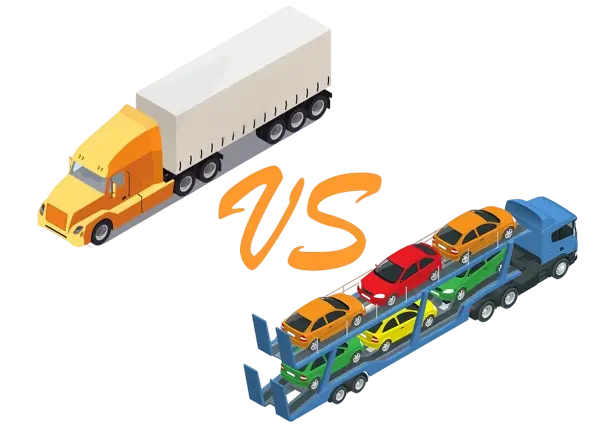
Open carriers transport vehicles on exposed multi-car trailers and are normally the more economical option. Enclosed carriers add protection from road and weather exposure and commonly cost around 75% more on many routes depending on seasonality and carrier availability.

FUEL PRICES
Diesel prices influence transport pricing across an 800-mile corridor. When fuel costs rise, carrier operating expenses increase and can be reflected in Connecticut-to-South Carolina shipping estimates.
VEHICLE CONDITION
Operable vehicles are generally faster and easier to load and unload. Inoperable vehicles usually cost more because the carrier may need winch equipment and additional handling.

PICKUP AND DELIVERY LOCATION
Hartford, New Haven, Bridgeport, Stamford, Columbia, Charleston, Greenville, and Rock Hill are relatively accessible through major highway networks. Rural northeastern Connecticut, South Carolina coastal communities away from the interstate system, or smaller inland towns can require additional detours and reduce route efficiency.
How Long Connecticut to South Carolina Car Shipping Takes
Most vehicles traveling between Connecticut and South Carolina arrive within about 2 to 4 days after pickup. Car carriers typically cover roughly 400 to 500 miles per day, so an approximately 825-mile route generally fits within this range once the vehicle is in transit.
What Can Shift the Timing
- Carriers commonly use combinations of I-95, I-91, I-84 and connecting routes in the Northeast before continuing south along I-95 or inland corridors such as I-77, I-85, I-26, or I-20 depending on the South Carolina destination. Congestion around New York, New Jersey, Baltimore, Washington, Richmond, and major Carolina metros can affect transit. Winter weather in Connecticut, heavy summer traffic, hurricanes or tropical systems along the Southeast coast, construction, pickup accessibility, and carrier availability can also shift timing.
Best and Slowest Months on This Corridor
- Customers shipping between Connecticut and South Carolina during portions of spring and fall generally see better carrier availability outside the busiest moving and seasonal migration periods. Moderate weather can also make highway operations more predictable.
- June through August can bring heavy relocation demand, while late fall and winter may bring increased southbound seasonal traffic. Thanksgiving and December holiday periods can also result in tighter carrier matching and pickup windows.
Expedited Shipping Option
Expedited shipping prioritizes your vehicle for faster pickup and delivery on the Connecticut-to-South Carolina corridor. It provides prioritized pickup rather than a guaranteed pickup or delivery date.
Popular Connecticut to South Carolina City Routes
Hartford, New Haven, Bridgeport, and Stamford are common Connecticut origins, while Charleston, Columbia, Greenville, Rock Hill, and Myrtle Beach are frequent South Carolina destinations. These routes serve household relocations, retirement moves, college transportation, seasonal migration, military transfers, and vehicle purchases.
Service Areas in Connecticut Origin
AmeriFreight Auto Transport serves Connecticut statewide, including Hartford, New Haven, Bridgeport, Stamford, Waterbury, Norwalk, Danbury, New Britain, Bristol, Meriden, Milford, Greenwich, Manchester, Norwich, and surrounding areas, location permitting.
Service Areas in South Carolina Destination
South Carolina service includes Columbia, Charleston, North Charleston, Greenville, Spartanburg, Rock Hill, Mount Pleasant, Summerville, Myrtle Beach, Florence, Sumter, Anderson, Hilton Head Island, Bluffton, and surrounding areas, location permitting.
Should You Drive or Ship Your Vehicle From Connecticut to South Carolina?
There is no universal right answer between driving and shipping a car from Connecticut to South Carolina. Driving means paying for fuel, meals, possible hotel stays, tolls, time away from work, vehicle wear, mileage depreciation, and a full day or more behind the wheel, while shipping means paying the transport cost plus airfare or alternate transportation if you are traveling separately. The better choice depends on how much you value time, convenience, and avoiding additional mileage.
Drive Cost Breakdown
| Expense Category | Driving Yourself | Shipping the Vehicle |
|---|---|---|
| Fuel | Roughly $125–$160 | Included in transport estimate |
| Hotel stays | $0–$200 depending on driving schedule | Usually unnecessary for vehicle transport |
| Food and meals | Roughly $50–$100 | Normal personal travel expenses only |
| Vehicle wear and mileage | Roughly 750–900 added miles plus maintenance and depreciation | Minimal transport-related mileage |
| Time commitment | Roughly 12–15 driving hours, often 1–2 travel days | Vehicle travels independently |
| Shipping cost plus travel | Not applicable | $800–$1,100 open shipping plus airfare or alternate transportation |
When Driving Makes Sense
Driving may make sense if you have a flexible schedule, enjoy road trips, and adding roughly 800 miles to your vehicle is not a concern. It can also be practical when you prefer direct control over the vehicle throughout the journey.
When Shipping Makes Sense
Shipping is often more practical for relocations, seasonal moves, multi-vehicle households, or situations where the owner is already flying south. It saves driving time and reduces unnecessary mileage, wear, and travel fatigue.
Get Started Today
Not sure which makes sense for your move?
Call (770) 486-1010 and an agent can walk through the math with you.
Open or Enclosed Auto Transport for the Connecticut to South Carolina Route
Open Auto Transport
Open auto transport is the standard and most commonly used option for vehicles shipping between Connecticut and South Carolina. During this roughly 800-mile trip, vehicles can encounter rain, winter weather in the Northeast, summer heat and humidity farther south, and normal highway debris. Vehicles remain exposed to ordinary road and weather conditions much as they would if driven directly. Most sedans, SUVs, pickups, and daily drivers ship this way, and open transport is usually the most budget-friendly option.
Enclosed Auto Transport
Enclosed transport is commonly selected for luxury, exotic, classic, collectible, and low-clearance vehicles moving between Connecticut and South Carolina. It provides additional protection from weather and road exposure during the long interstate trip, including winter road conditions in New England and heat, humidity, or coastal weather farther south. This option can be especially appealing for specialty vehicles heading to Charleston, Hilton Head Island, or other coastal destinations. Enclosed shipping generally costs about 75% more than open transport depending on the route, season, and carrier availability.
Simple 3-Step Process
How the Shipping Process Works
Shipping a car from Connecticut to South Carolina is generally a straightforward process that can be broken into three simple steps.
Start by requesting a quote through AmeriFreight's online form or by phone. Provide the Connecticut and South Carolina ZIP codes, vehicle year, make and model, transport type preference if applicable, and approximate pickup timeframe. AmeriFreight then provides a shipping estimate based on the route, season, and vehicle details. Customers are not charged upfront before choosing a carrier for the shipment.
No upfront payment until you choose a carrierAmeriFreight matches the shipment with a vetted, USDOT-registered, and insured carrier operating on the Connecticut-to-South Carolina corridor. The carrier contacts the customer to confirm the pickup window and logistics. On pickup day, the driver performs a vehicle inspection, records the vehicle's condition on the Bill of Lading, loads the vehicle, and provides inspection documentation for the customer's records.
USDOT-registered & insured carriersThe carrier typically heads south through the Northeast and Mid-Atlantic using major systems such as I-95, with connections to I-77, I-85, I-26, or I-20 depending on the final South Carolina city. Upon arrival, the customer or another designated adult performs a final inspection, signs the delivery paperwork, and completes the shipment process.
Bill of Lading signed at delivery
4.8


Over 1500+ Reviews BBB

4.8
Over 4,730+ Reviews Consumer Affairs

4.7

Over 5,360+ Reviews Google

4.9

Over 4000+ Reviews Transport Reviews

4.8
Over 9500+ Reviews Move.org

4.7
Over 700+ Reviews Trustpilot
What to Expect on Delivery Day
The carrier normally calls or texts ahead with an estimated delivery window. Timing can shift because of interstate congestion, construction, weather, tropical systems, accidents, or other deliveries scheduled along the carrier's route.
An adult age 18 or older must be present to accept the vehicle. If you cannot attend personally, you may designate a trusted friend, family member, coworker, or relocation contact.
The driver and receiving party inspect the vehicle together and compare its condition against the Bill of Lading created at pickup in Connecticut. Pickup photos are often helpful during the process. Any new scratches, dents, fluid leaks, or other concerns should be recorded on the Bill of Lading before signing the delivery paperwork.
Any newly observed damage should be documented on the Bill of Lading immediately during the inspection. Customers should not sign the paperwork as fully completed if something appears incorrect or damaged.
Customers enrolled in the AFTA PLAN gap protection program have 48 hours from delivery to report damages.
The remaining carrier balance is typically paid at delivery. Acceptable payment methods often include certified check, money order, or cash depending on the carrier's policies. Customers are informed of the carrier's payment requirements before pickup so there are no surprises at delivery.
Once the paperwork is signed and the inspection is complete, the shipment is officially finished, the customer receives a copy of the signed Bill of Lading, and the carrier continues to the next stop.
Preparing Your Vehicle for Connecticut to South Carolina Transport
Preparing a vehicle for state-to-state transport is usually straightforward and takes only a small amount of time. Completing a few basic steps helps the inspection go smoothly, reduces misunderstandings about vehicle condition, and makes loading and unloading easier for both the customer and carrier.
What to Do
- Wash the vehicle before pickup so existing scratches, dents, and cosmetic imperfections are easier to identify during the inspection.
- Remove personal belongings from the vehicle before transport. DOT regulations generally prohibit carriers from transporting household goods or loose personal items inside vehicles. If a carrier allows limited personal items, prior approval may be required and additional fees or restrictions can apply.
- Take clear photos of the vehicle from multiple angles before pickup to document its condition.
- Leave approximately one-quarter tank of fuel in the vehicle so the carrier can load and unload it without adding unnecessary transport weight.
- Check the tire pressure and confirm the battery is charged and operational before pickup day.
- Disable aftermarket alarms or anti-theft systems that could activate during transit.
- Remove, fold, or secure exterior accessories such as antennas, roof cargo boxes, spoilers, bike racks, or custom add-ons whenever possible.
- Provide the carrier with a working key for loading, unloading, and positioning the vehicle during transport.
Why AmeriFreight
Why Customers Choose AmeriFreight Auto Transport
No upfront payment until you choose a carrier. Customers can review the carrier match before the applicable payment is collected.
Customers may cancel their shipment order without charge if the vehicle has not yet been dispatched to a carrier.
Cancel free before carrier dispatchAmeriFreight Auto Transport works with carriers that meet USDOT licensing and insurance requirements and maintain public safety and performance records. Customers do not need to independently screen or vet transport drivers themselves.
AmeriFreight Auto Transport is one of the best-reviewed in the industry across several major consumer platforms. As of September 2026, BBB shows a 4.83/5 customer-review rating from 819 reviews and an A business rating, ConsumerAffairs lists 4.8/5 from 4,770 reviews, and Trustpilot lists 4.7/5 from 684 reviews. Ratings and review counts can change as new feedback is posted.
Carrier insurance applies during vehicle transit but may contain exclusions or deductible-related gaps depending on the situation. AFTA PLAN is an optional gap protection program designed to help cover up to a defined portion of the customer's insurance deductible if eligible damage is reported within 48 hours of delivery. AFTA PLAN does not replace or extend the carrier's insurance coverage.
AmeriFreight Auto Transport offers route-eligible discounts for qualifying customers shipping between Connecticut and South Carolina, including:
Customer service agents can confirm which discounts apply to your shipment when you call.
Buyer's Guide
What to Look for in a Car Shipping Company for Connecticut to South Carolina Routes
Connecticut-to-South Carolina routes are regularly quoted within the interstate auto transport market, which means customers may receive many different offers with varying prices and service levels. Reviewing licensing, quote practices, payment terms, customer reviews, and access to support can help distinguish an established transport business from a lead-generation website or unreliable operator.
Legitimate auto transport companies publicly display their USDOT and MC numbers, usually in the website footer, About page, or company credentials section. Customers can independently verify these numbers through the FMCSA SAFER database before booking.
State-to-state auto transport pricing naturally changes with season, route demand, vehicle type, and carrier availability. Quotes dramatically below the rest of the market can indicate bait-and-switch pricing tactics, while normal quote variation on the same route is generally measured in hundreds of dollars rather than extreme gaps.
Customers should be cautious of companies requesting full payment before assigning a carrier. Reputable transport companies generally collect payment only after the customer approves a specific carrier match for the route.
Established auto transport companies maintain review histories across platforms such as BBB, ConsumerAffairs, Google, Trustpilot, and Transport Reviews. A broad and relatively consistent review footprint is more useful than unusually high ratings appearing on only one website.
Direct access to a live customer service agent is one of the easiest ways to confirm that an auto transport company is active and engaged with customers. AmeriFreight Auto Transport customer service agents can be reached at (770) 486-1010.
Relocation Guidance
State Insights for Connecticut to South Carolina Moves
New South Carolina residents have 45 days to transfer their vehicle registration and obtain a South Carolina driver's license or ID after permanently moving to the state. Before registering the vehicle, owners generally need to update their insurance to a company licensed in South Carolina, contact their county auditor, and pay applicable vehicle property taxes through the county treasurer. The SCDMV also requires an out-of-state title or registration documentation depending on whether the vehicle has a lien, and an out-of-state title must clear the National Motor Vehicle Title Information System before the new South Carolina title is mailed.
South Carolina requires minimum liability limits of $25,000 per person, $50,000 per accident for bodily injury, and $25,000 for property damage, along with uninsured-motorist coverage at the required minimums. South Carolina follows a tort liability, or at-fault, insurance system rather than a no-fault system.
Before leaving Connecticut, organize the vehicle title, registration, insurance paperwork, and any lienholder information needed for South Carolina's title and registration process. Connecticut requires emissions testing for many vehicles, although exemptions and schedules vary, while South Carolina's standard new-resident title process emphasizes property-tax payment, title documentation, and proof of South Carolina insurance. If the vehicle has a lien, South Carolina has additional documentation requirements, so arranging lender paperwork before the move can prevent delays.
After moving out of Connecticut, cancel the Connecticut registration once the vehicle has transitioned to the new state. Connecticut DMV specifically warns that a vehicle can remain subject to property-tax assessment in the town of record until registration is terminated. Cancellation can be completed online, by mail, or in person, and plates may be discarded at the owner's discretion after cancellation; retain the plate-disposition receipt as proof.
State requirements can change, so verify current instructions with the South Carolina Department of Motor Vehicles, South Carolina Department of Insurance, and Connecticut DMV when completing your move.
Frequently Asked Questions
Open transport on this corridor is estimated at approximately $800 to $1,100, while enclosed transport is approximately $1,400 to $1,925. Distance, vehicle size, transport type, season, exact cities, and pickup flexibility can affect the final price. These amounts are estimates rather than guaranteed quotes. Call (770) 486-1010 for a current estimate.
Most vehicles take approximately 2 to 4 days after pickup. Carriers generally cover around 400 to 500 miles per day once in transit, although pickup scheduling, I-95 congestion, weather, construction, and carrier availability can change the overall timing.
Either you or another trusted adult age 18 or older must be present at pickup and delivery. That person releases or receives the vehicle, reviews the inspection paperwork, and signs the Bill of Lading.
Carrier liability coverage applies while the vehicle is loaded and in transit according to the carrier's applicable policy. AFTA PLAN is available as optional gap protection for qualifying shipments when eligible damage is reported within 48 hours of delivery.
Open transport leaves the vehicle exposed to ordinary road and weather conditions and is generally the more economical choice for daily drivers, SUVs, and trucks traveling from Connecticut to South Carolina.
Enclosed transport provides additional protection from road and weather exposure and is commonly selected for luxury, classic, exotic, collectible, and low-clearance vehicles. It generally costs about 75% more than open transport depending on the route, season, and carrier availability.
Ready to ship your car from Connecticut to South Carolina?
Talk to a customer service agent. No upfront payment until you choose a carrier.
Auto Transport Services Coast to Coast, State to State
- Alabama Car Shipping
- Alaska Car Shipping
- Arizona Car Shipping
- Arkansas Car Shipping
- California Car Shipping
- Colorado Car Shipping
- Connecticut Car Shipping
- Delaware Car Shipping
- Florida Car Shipping
- Georgia Car Shipping
- Hawaii Car Shipping
- Idaho Car Shipping
- Illinois Car Shipping
- Indiana Car Shipping
- Iowa Car Shipping
- Kansas Car Shipping
- Kentucky Car Shipping
- Louisiana Car Shipping
- Maine Car Shipping
- Maryland Car Shipping
- Massachusetts Car Shipping
- Michigan Car Shipping
- Minnesota Car Shipping
- Mississippi Car Shipping
- Missouri Car Shipping
- Montana Car Shipping
- Nebraska Car Shipping
- Nevada Car Shipping
- New Hampshire Car Shipping
- New Jersey Car Shipping
- New Mexico Car Shipping
- New York Car Shipping
- North Carolina Car Shipping
- North Dakota Car Shipping
- Ohio Car Shipping
- Oklahoma Car Shipping
- Oregon Car Shipping
- Pennsylvania Car Shipping
- Rhode Island Car Shipping
- South Carolina Car Shipping
- South Dakota Car Shipping
- Tennessee Car Shipping
- Texas Car Shipping
- Utah Car Shipping
- Vermont Car Shipping
- Virginia Car Shipping
- Washington Car Shipping
- West Virginia Car Shipping
- Wisconsin Car Shipping
- Wyoming Car Shipping
Detailed video guides for every shipping requirement

Read Our Auto Transport Guides

Shipping a Flood-Damaged Car
Shipping a flood-damaged car? Learn risks, costs, and what carriers require to avoid delays, failed pickups, and costly surprises.
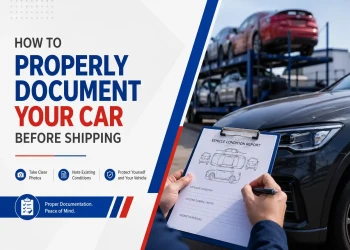
How to Properly Document Your Car Before Shipping
Don't let shipping damage deny your claim. Use this guide to meticulously document your car's condition before transport.
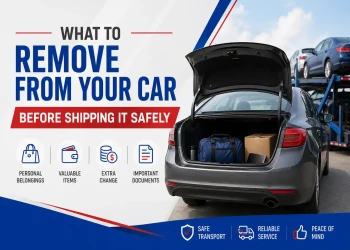
What to Remove from Your Car Before Shipping It Safely
Learn what to remove from your car before shipping to avoid delays, damage, or denied claims and understand the key rules and risk...
Ready to get an estimate from AmeriFreight Auto Transport?
Get your free quote online in minutes, or call us anytime and we'll guide you through it.