Top-Rated Colorado to Nevada Car Shipping Company
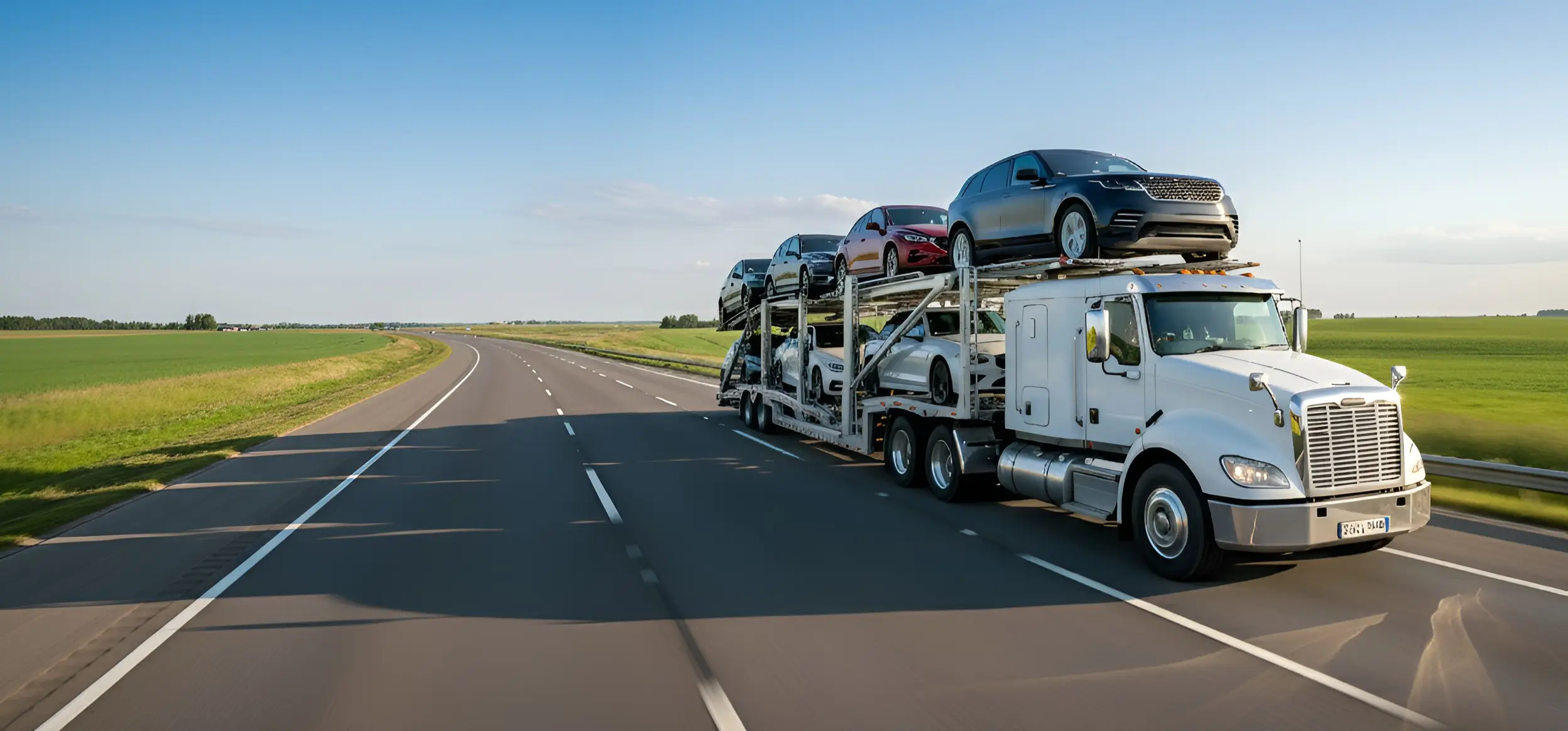
Shipping a car from Colorado to Nevada commonly covers roughly 750 to 1,050 miles depending on the pickup and delivery cities, with most vehicles arriving within about 2 to 4 days after pickup. The corridor frequently connects Colorado’s Front Range with Las Vegas, Reno, Henderson, Carson City, and other Nevada communities through major western interstate routes.

Start your free quote
AmeriFreight Auto Transport Reviews
AmeriFreight Auto Transport is BBB-accredited and A-rated, and we're proud to say that customer service is our #1 priority. Don't just take our word for it, see what our customers have to say about our auto transport services!
Licensed & Accredited
How Much It Costs to Ship a Car from Colorado to Nevada
Shipping a car from Colorado to Nevada typically costs an estimated $800 to $1,100 for open transport and $1,400 to $1,925 for enclosed transport. These estimates generally account for carrier fees, fuel, and basic carrier liability associated with transporting the vehicle.
Your actual price can vary based on distance, vehicle size and weight, open versus enclosed transport, seasonal demand on the Colorado-to-Nevada corridor, pickup and delivery flexibility, fuel prices, vehicle condition, and the accessibility of each address. These figures are estimates rather than guaranteed quotes.
Call AmeriFreight Auto Transport at (770) 486-1010 to talk through what your specific shipment would cost.

Most Popular Colorado to Nevada Car Shipping Routes
| Route | Distance | Transit Time |
|---|---|---|
| Denver to Las Vegas | ~750 miles | 2–3 days |
| Denver to Henderson | ~760 miles | 2–3 days |
| Denver to Reno | ~1,050 miles | 2–4 days |
| Denver to Carson City | ~1,060 miles | 2–4 days |
| Colorado Springs to Las Vegas | ~810 miles | 2–4 days |
| Colorado Springs to Henderson | ~820 miles | 2–4 days |
| Fort Collins to Las Vegas | ~800 miles | 2–4 days |
| Fort Collins to Reno | ~1,000 miles | 2–4 days |
| Pueblo to Las Vegas | ~770 miles | 2–3 days |
| Grand Junction to Las Vegas | ~510 miles | 2–3 days |
What Affects Your Colorado to Nevada Car Shipping Cost

DISTANCE
Colorado-to-Nevada shipments commonly run between roughly 750 and 1,050 miles for major metro-to-metro moves, although western Colorado routes can be shorter. Distance is a primary pricing factor because additional highway mileage increases fuel consumption, driver hours, and overall carrier operating costs.

VEHICLE SIZE AND WEIGHT
Compact sedans generally cost less to ship than large SUVs, lifted trucks, cargo vans, or dually pickups. Larger vehicles take up more trailer space and add weight, which can affect how efficiently a carrier builds the rest of its load.

PICKUP AND DELIVERY FLEXIBILITY
Flexible pickup and delivery windows help carriers coordinate several vehicles moving west or east along the same route. Expedited shipping or narrow scheduling requirements usually increase costs because fewer carriers can fit the shipment into an existing schedule.

SEASONAL DEMAND
Summer relocations, tourism, college schedules, and moves into the Las Vegas and Reno areas can affect demand on this corridor. Winter conditions in Colorado and across higher-elevation routes through Utah or northern Nevada can also reduce scheduling flexibility and carrier availability.
OPEN VS. ENCLOSED TRANSPORT
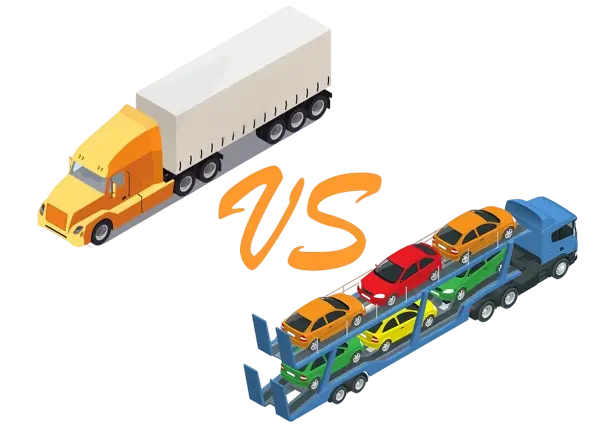
Open transport is the standard option and normally offers the lowest price, while enclosed transport provides additional protection from road and weather exposure. Enclosed shipping commonly costs around 75% more on many routes depending on seasonality and carrier availability.

FUEL PRICES
Diesel prices influence carrier operating costs on western interstate routes. Changes in fuel prices can therefore affect Colorado-to-Nevada estimates even when the vehicle and locations remain unchanged.

VEHICLE CONDITION
Operable vehicles are normally faster and easier to load and unload. Inoperable vehicles generally cost more because winch equipment and additional handling may be required.
PICKUP AND DELIVERY LOCATION
Denver, Colorado Springs, Fort Collins, Las Vegas, Henderson, and Reno are typically easier for carriers to serve because they connect with heavily traveled interstate corridors. Remote Colorado mountain towns, rural Nevada communities, or destinations far from I-15, I-70, I-80, and major metro areas can require longer detours and may increase transport costs.
How Long Colorado to Nevada Car Shipping Takes
Most vehicles traveling between Colorado and Nevada arrive within approximately 2 to 4 days after pickup. Car carriers commonly cover around 400 to 500 miles per day, so a representative 750-mile Denver-to-Las Vegas shipment generally falls within that range once the vehicle is in transit.
What Can Shift the Timing
- Weather and road conditions can affect this corridor, especially along I-70 through Colorado and Utah and I-15 into southern Nevada. Northern Nevada shipments may involve I-80 and additional mountain or high-desert driving. Winter snow, high winds, construction, holiday congestion, and busy travel periods around Las Vegas can affect schedules. Highway-adjacent metros also tend to be easier to service than remote communities, while carrier availability and pickup-window flexibility can influence dispatch timing.
Best and Slowest Months on This Corridor
- Customers shipping between Colorado and Nevada during portions of spring and fall generally see better carrier availability outside the busiest summer relocation and major holiday travel periods. These shoulder seasons can still bring changing mountain weather, particularly on higher-elevation portions of the route.
- Summer relocation demand and heavy tourism into Nevada can tighten carrier schedules. Winter can create separate challenges because snow, ice, high winds, or chain restrictions may affect I-70 and other mountain corridors.
Expedited Shipping Option
Expedited shipping prioritizes your vehicle for faster pickup and delivery on the Colorado-to-Nevada corridor. It provides prioritized pickup rather than a guaranteed pickup or delivery date.
Popular Colorado to Nevada City Routes
Denver-to-Las Vegas is one of the most practical metro-to-metro routes on this corridor because it connects the largest population centers in each state. Denver-to-Reno, Colorado Springs-to-Las Vegas, and Fort Collins-to-Nevada shipments also support relocations, seasonal moves, college schedules, employment changes, and household vehicle transport.
Service Areas in Colorado Origin
AmeriFreight Auto Transport serves customers throughout Colorado, including Denver, Aurora, Lakewood, Boulder, Fort Collins, Loveland, Greeley, Colorado Springs, Castle Rock, Pueblo, Longmont, and Grand Junction, along with accessible mountain and regional communities, and surrounding areas, location permitting.
Service Areas in Nevada Destination
Nevada service includes Las Vegas, Henderson, North Las Vegas, Reno, Sparks, Carson City, Boulder City, Mesquite, Elko, Fernley, Fallon, Pahrump, and other communities where commercial carrier access is practical, and surrounding areas, location permitting.
Should You Drive or Ship Your Vehicle From Colorado to Nevada?
There is no universal right answer between driving and shipping. A road trip may appear less expensive when only fuel is considered, but the practical comparison also includes hotel stays, meals, time away from work, vehicle wear, added mileage, depreciation, and travel fatigue. Shipping replaces most of those road-trip expenses with the auto transport charge plus a one-way flight or other transportation needed to reach your destination.
Drive Cost Breakdown
| Expense Category | Driving Yourself | Shipping the Vehicle |
|---|---|---|
| Fuel | ~$100–$160 | Included in transport price |
| Hotel stays | ~$120–$220 | Usually not needed for vehicle move |
| Food and meals | ~$50–$100 | Normal daily expenses |
| Vehicle wear/depreciation | ~$120–$250+ | Minimal transit mileage |
| Time commitment | About 1–2 travel days | Vehicle travels separately |
| Shipping/airfare | Not applicable | ~$800–$1,100 shipping + alternate transportation |
When Driving Makes Sense
Driving can make sense for shorter western Colorado-to-Nevada routes when your schedule is flexible and you enjoy road trips. It may also be reasonable when extra mileage, overnight travel, and direct control of the vehicle are not concerns.
When Shipping Makes Sense
Shipping is often more practical for longer Front Range routes, multi-vehicle households, relocation schedules, seasonal moves, or owners who want to avoid adding hundreds of highway miles to their vehicle. It can also be convenient when you are already flying to Nevada.
Get Started Today
Not sure which makes sense for your move?
Call (770) 486-1010 and an agent can walk through the math with you.
Open or Enclosed Auto Transport for the Colorado to Nevada Route
Open Auto Transport
Open transport is the standard and most commonly used option for vehicles moving between Colorado and Nevada. Depending on the route, vehicles may encounter mountain weather in Colorado and Utah as well as dry, sunny, and dusty conditions closer to southern Nevada. Vehicles remain exposed to normal road and weather conditions during transit, similar to what they would experience if driven directly. Most sedans, SUVs, pickups, and daily drivers use open transport, which is normally the most budget-friendly option.
Enclosed Auto Transport
Enclosed transport is typically selected for luxury, exotic, classic, collectible, or low-clearance vehicles traveling between Colorado and Nevada. Enclosed carriers provide additional protection from snow, road debris, high-desert dust, sun exposure, and other environmental conditions encountered on the route. This option can be particularly appealing for specialty vehicles headed to Las Vegas, Reno, or collector destinations. Enclosed shipping generally costs about 75% more than open transport depending on the route, season, and carrier availability.
Simple 3-Step Process
How the Shipping Process Works
Shipping a vehicle from Colorado to Nevada is generally a straightforward process that can be broken into three simple steps.
Start by requesting a quote through AmeriFreight’s online form or by phone. Provide the origin and destination ZIP codes, vehicle year, make and model, preferred transport type when applicable, and approximate pickup timeframe. AmeriFreight then provides a shipping estimate based on the route, season, and vehicle details. Customers are not charged upfront before choosing a carrier for the shipment.
No upfront payment until you choose a carrierAmeriFreight matches the shipment with a vetted, USDOT-registered, and insured carrier operating on the Colorado-to-Nevada corridor. The carrier contacts the customer to confirm the pickup window and logistics. On pickup day, the driver performs a vehicle inspection, records its condition on the Bill of Lading, loads the vehicle, and provides the customer with inspection documentation for their records.
USDOT-registered & insured carriersMany Denver-to-Las Vegas shipments follow I-70 west through Colorado and Utah before connecting with I-15 toward southern Nevada. Northern Nevada routes may use I-70 and connecting highways toward I-80 depending on the pickup point, destination, carrier schedule, and current road conditions. At delivery, the customer or another designated adult performs a final inspection, signs the delivery paperwork, and completes the shipment process.
Bill of Lading signed at delivery
4.8


Over 1500+ Reviews BBB

4.8
Over 4,730+ Reviews Consumer Affairs

4.7

Over 5,360+ Reviews Google

4.9

Over 4000+ Reviews Transport Reviews

4.8
Over 9500+ Reviews Move.org

4.7
Over 700+ Reviews Trustpilot
What to Expect on Delivery Day
The carrier typically calls or texts ahead with an estimated delivery window. Timing may shift because of traffic, construction, mountain weather on I-70, high winds, congestion around Las Vegas or Reno, or other deliveries scheduled along the route.
An adult age 18 or older must be present to accept the vehicle. If you cannot attend personally, you may designate a trusted friend, family member, coworker, or relocation contact.
The driver and receiving party inspect the vehicle together and compare its condition against the Bill of Lading prepared at pickup. Pickup photographs can be useful during this process. Any new scratches, dents, fluid leaks, or other issues should be documented on the Bill of Lading before signing the delivery paperwork.
Document any newly observed damage on the Bill of Lading immediately during the inspection. Do not sign the paperwork as fully completed if something appears incorrect or damaged.
Customers enrolled in the AFTA PLAN gap protection program have 48 hours from delivery to report damages.
The remaining carrier balance is typically paid at delivery. Accepted payment methods often include certified check, money order, or cash depending on the carrier's policies. Customers are informed about the carrier's specific payment requirements before pickup.
Once the paperwork is signed and the inspection is complete, the shipment is officially finished, the customer receives a copy of the signed Bill of Lading, and the carrier continues to its next stop.
Preparing Your Vehicle for Colorado to Nevada Transport
Preparing your vehicle for state-to-state transport is usually straightforward and takes relatively little time. A few basic steps help the inspection go smoothly, reduce misunderstandings about existing condition, and make loading and unloading more efficient for the customer and carrier.
What to Do
- Wash the vehicle before pickup so existing scratches, dents, and cosmetic imperfections are easier to identify during the inspection.
- Remove personal belongings from the vehicle before transport. DOT regulations generally prohibit carriers from transporting household goods or loose personal items inside vehicles. If a carrier allows limited personal items, prior approval may be required and additional fees or restrictions can apply.
- Take clear photos of the vehicle from multiple angles before pickup to document its condition.
- Leave approximately one-quarter tank of fuel in the vehicle so the carrier can load and unload it without adding unnecessary transport weight.
- Check the tire pressure and confirm the battery is charged and operational before pickup day.
- Disable aftermarket alarms or anti-theft systems that could activate during transit.
- Remove, fold, or secure exterior accessories such as antennas, roof cargo boxes, spoilers, bike racks, or custom add-ons whenever possible.
- Provide the carrier with a working key for loading, unloading, and positioning the vehicle during transport.
Why AmeriFreight
Why Customers Choose AmeriFreight Auto Transport
No upfront payment until you choose a carrier. AmeriFreight Auto Transport does not require payment before a carrier is selected for the shipment.
Customers may cancel their shipment order without charge if the vehicle has not yet been dispatched to a carrier.
Cancel free before carrier dispatchAmeriFreight works with carriers that meet USDOT licensing and insurance requirements and maintain public safety and performance records. Customers do not have to independently screen transport drivers themselves.
AmeriFreight Auto Transport maintains an established review presence across major platforms including BBB, ConsumerAffairs, Google, Trustpilot, and Transport Reviews. Customers can compare feedback across these independent sources when evaluating AmeriFreight as one of the best-reviewed companies in the industry.
Carrier insurance applies while the vehicle is in transit but may contain exclusions or deductible-related gaps depending on the situation. AFTA PLAN is an optional gap protection program designed to help cover up to a defined portion of a customer's insurance deductible when applicable. Eligible damage must be reported within 48 hours of delivery.
Qualifying customers shipping between Colorado and Nevada may be eligible for route-eligible discounts, including:
Customer service agents can confirm which discounts apply to your shipment when you call.
Buyer's Guide
What to Look for in a Car Shipping Company for Colorado to Nevada Routes
Colorado-to-Nevada routes are regularly quoted by auto transport brokers and carriers serving western interstate traffic, so customers may receive offers with very different prices and service levels. Checking licensing, payment practices, review history, quote transparency, and customer access can help distinguish an established auto transport company from a lead-generation website or unreliable operator.
Legitimate auto transport companies publicly display their USDOT and MC numbers, typically in the website footer, About page, or company credentials section. Customers can independently verify these numbers through the FMCSA SAFER database before booking.
State-to-state transport pricing fluctuates with season, route demand, vehicle type, and carrier availability. Quotes dramatically below the rest of the market may indicate bait-and-switch pricing tactics, while ordinary quote differences on the same route are generally measured in hundreds of dollars rather than extreme gaps.
Customers should be cautious of companies requesting full payment before assigning a carrier. Reputable transport arrangements generally collect payment only after the customer approves a specific carrier match.
Established auto transport companies maintain review histories across platforms such as BBB, ConsumerAffairs, Google, Trustpilot, and Transport Reviews. Look for relatively consistent feedback and meaningful review volume across several platforms rather than unusually inflated scores isolated to one website.
Direct access to a live customer service agent is one of the easiest ways to confirm that a transport company is active and engaged with customers. AmeriFreight Auto Transport customer service agents can be reached at (770) 486-1010.
Relocation Guidance
State Insights for Colorado to Nevada Moves
New Nevada residents are required to obtain a Nevada driver's license and register their vehicle within 30 days of establishing residency. For an out-of-state vehicle, Nevada requires Nevada-issued insurance, a VIN inspection, the current registration, odometer information, and other applicable ownership documents. Out-of-state insurance is not accepted for Nevada registration. Emissions testing is not statewide: it applies in designated emissions-control areas, including the Las Vegas Valley, so customers moving to Clark County should verify whether their particular vehicle and address require testing before registration.
Nevada's minimum liability limits are $25,000 bodily injury per person, $50,000 bodily injury per accident, and $20,000 property damage. The state's insurance system relies on liability when a driver is legally responsible for an accident rather than requiring traditional no-fault personal-injury protection. New residents should have Nevada-compliant coverage in place by the time the vehicle is registered and should verify current title or lienholder requirements before completing the transaction.
Before leaving Colorado, check whether the vehicle's registration or emissions requirement is approaching renewal. Colorado requires emissions compliance in designated program areas, so owners moving permanently to Nevada should resolve any outstanding Colorado registration, title, emissions, toll, or vehicle paperwork that could complicate the transfer. Keep your Colorado title, current registration, lienholder documents when applicable, and insurance records accessible rather than packing them with household goods.
Once Nevada residency is established, arrange Nevada insurance before registering the vehicle because Nevada does not accept out-of-state insurance for its vehicle registration process. If a Colorado registration or plate issue needs to be closed out after the move, confirm the appropriate procedure with the Colorado DMV or the county motor vehicle office rather than assuming plates must automatically be surrendered. For winter shipping, check battery condition, tires, and basic operability because high-elevation sections of I-70 can experience freezing temperatures, snow, and chain restrictions during the journey. Nevada's registration requirements, including Nevada insurance and VIN inspection for vehicles not previously registered or titled there, should also be considered before departure.
Frequently Asked Questions
Open transport typically costs an estimated $800 to $1,100, while enclosed transport is approximately $1,400 to $1,925. Distance, vehicle size, transport type, season, pickup flexibility, and carrier availability can all influence the price. These numbers are estimates rather than guaranteed quotes. Call AmeriFreight at (770) 486-1010 for a shipment-specific estimate.
Most vehicles arrive approximately 2 to 4 days after pickup. Car carriers commonly travel around 400 to 500 miles per day once a vehicle is in transit, but pickup scheduling, weather, construction, traffic, and carrier availability can affect total timing.
You or another trusted adult age 18 or older must be present at pickup and delivery. That person releases or receives the vehicle, reviews its condition, and signs the Bill of Lading.
Carrier liability coverage applies while the vehicle is loaded and in transit, subject to the carrier's policy terms and exclusions. AFTA PLAN is available as optional gap protection for qualifying shipments when eligible damage is reported within 48 hours of delivery.
Open transport is the standard and generally more affordable option for Colorado-to-Nevada shipping. Vehicles remain exposed to ordinary weather and highway conditions, including mountain weather, sun, dust, and road debris.
Enclosed transport provides additional protection from road and weather exposure and is frequently selected for luxury, classic, exotic, collectible, and low-clearance vehicles. It generally costs about 75% more than open shipping depending on route, season, and carrier availability.
Ready to ship your car from Colorado to Nevada?
Talk to a customer service agent. No upfront payment until you choose a carrier.
Auto Transport Services Coast to Coast, State to State
- Alabama Car Shipping
- Alaska Car Shipping
- Arizona Car Shipping
- Arkansas Car Shipping
- California Car Shipping
- Colorado Car Shipping
- Connecticut Car Shipping
- Delaware Car Shipping
- Florida Car Shipping
- Georgia Car Shipping
- Hawaii Car Shipping
- Idaho Car Shipping
- Illinois Car Shipping
- Indiana Car Shipping
- Iowa Car Shipping
- Kansas Car Shipping
- Kentucky Car Shipping
- Louisiana Car Shipping
- Maine Car Shipping
- Maryland Car Shipping
- Massachusetts Car Shipping
- Michigan Car Shipping
- Minnesota Car Shipping
- Mississippi Car Shipping
- Missouri Car Shipping
- Montana Car Shipping
- Nebraska Car Shipping
- Nevada Car Shipping
- New Hampshire Car Shipping
- New Jersey Car Shipping
- New Mexico Car Shipping
- New York Car Shipping
- North Carolina Car Shipping
- North Dakota Car Shipping
- Ohio Car Shipping
- Oklahoma Car Shipping
- Oregon Car Shipping
- Pennsylvania Car Shipping
- Rhode Island Car Shipping
- South Carolina Car Shipping
- South Dakota Car Shipping
- Tennessee Car Shipping
- Texas Car Shipping
- Utah Car Shipping
- Vermont Car Shipping
- Virginia Car Shipping
- Washington Car Shipping
- West Virginia Car Shipping
- Wisconsin Car Shipping
- Wyoming Car Shipping
Detailed video guides for every shipping requirement
Read Our Auto Transport Guides
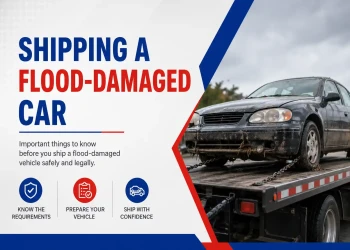
Shipping a Flood-Damaged Car
Shipping a flood-damaged car? Learn risks, costs, and what carriers require to avoid delays, failed pickups, and costly surprises.
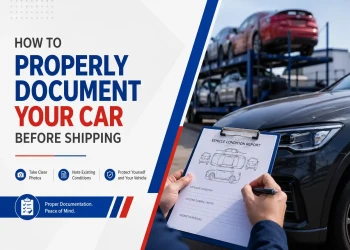
How to Properly Document Your Car Before Shipping
Don't let shipping damage deny your claim. Use this guide to meticulously document your car's condition before transport.
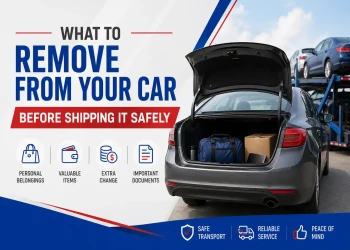
What to Remove from Your Car Before Shipping It Safely
Learn what to remove from your car before shipping to avoid delays, damage, or denied claims and understand the key rules and risk...
Ready to get an estimate from AmeriFreight Auto Transport?
Get your free quote online in minutes, or call us anytime and we'll guide you through it.