
Top-Rated Arkansas to Washington Car Shipping Company
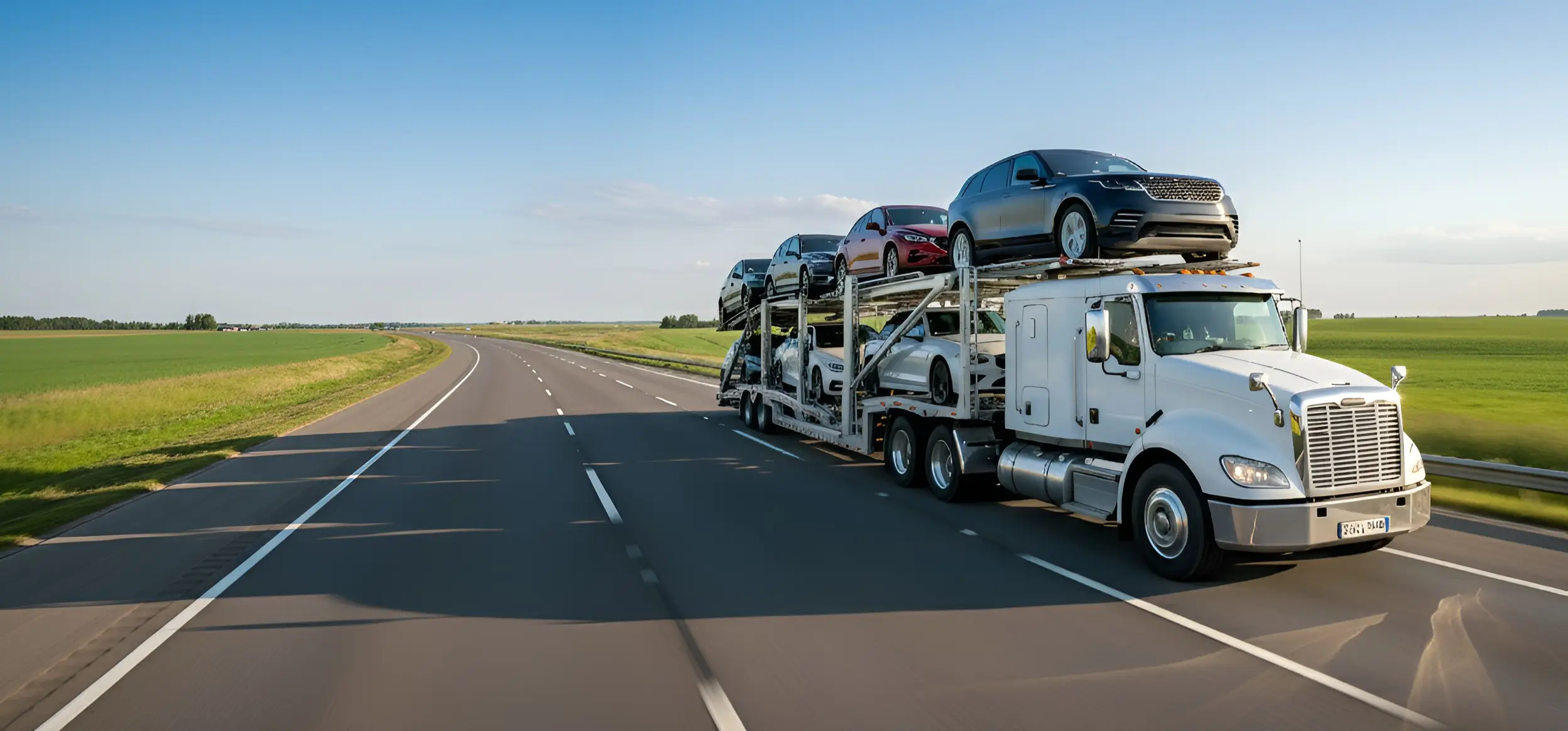
Shipping a car from Arkansas to Washington typically covers about 1,800 to 2,300 miles, depending on your pickup and delivery cities. Most vehicles on this long-distance corridor arrive within about 5 to 7 days after pickup, with routes such as Little Rock to Seattle covering roughly 2,200 to 2,300 miles.

Start your free quote
AmeriFreight Auto Transport Reviews
AmeriFreight Auto Transport is BBB-accredited and A-rated, and we're proud to say that customer service is our #1 priority. Don't just take our word for it, see what our customers have to say about our auto transport services!
Licensed & Accredited
How Much It Costs to Ship a Car from Arkansas to Washington
Shipping a car from Arkansas to Washington typically costs an estimated $1,200 to $1,500 for open auto transport and approximately $2,100 to $2,625 for enclosed auto transport. These estimates generally account for carrier fees, fuel, and basic carrier liability associated with moving the vehicle along this long-distance route. The ranges follow the pricing guidelines specified for routes over 1,500 miles, with enclosed transport estimated at around 75% more than open transport.
Your actual shipping cost can vary based on distance, vehicle size and weight, open versus enclosed transport, seasonal demand on the Arkansas-to-Washington corridor, pickup and delivery flexibility, fuel prices, and whether the vehicle is operable. Pickup in a major transportation area such as Little Rock or Northwest Arkansas can also price differently from a rural Arkansas origin, just as delivery around Seattle, Tacoma, Spokane, or Vancouver can differ from a remote Washington destination. These figures are estimates rather than guaranteed prices.
Call AmeriFreight Auto Transport at (770) 486-1010 to talk through what your specific shipment would cost.

Most Popular Arkansas to Washington Car Shipping Routes
| Route | Distance | Transit Time |
|---|---|---|
| Little Rock, AR to Seattle, WA | Approx. 2,278 miles | 5–7 days |
| Little Rock, AR to Spokane, WA | Approx. 1,983 miles | 4–6 days |
| Little Rock, AR to Tacoma, WA | Approx. 2,286 miles | 5–7 days |
| Little Rock, AR to Vancouver, WA | Approx. 2,202 miles | 5–7 days |
| Fayetteville, AR to Spokane, WA | Approx. 1,850 miles | 4–6 days |
| Springdale, AR to Tacoma, WA | Approx. 2,126 miles | 5–7 days |
| Jonesboro, AR to Kent, WA | Approx. 2,243 miles | 5–7 days |
| North Little Rock, AR to Bellevue, WA | Approx. 2,268 miles | 5–7 days |
| Conway, AR to Everett, WA | Approx. 2,270 miles | 5–7 days |
| Fort Smith, AR to Vancouver, WA | Approx. 2,064 miles | 5–7 days |
What Affects Your Arkansas to Washington Car Shipping Cost

DISTANCE
Arkansas-to-Washington shipments commonly cover roughly 1,800 to 2,300 miles between major population centers, making this a substantial long-haul transport lane. That interstate mileage is a primary pricing factor because it increases fuel consumption, driver hours, equipment use, and overall carrier operating costs.

VEHICLE SIZE AND WEIGHT
A compact sedan generally costs less to transport from Arkansas to Washington than a large SUV, lifted truck, cargo van, or dually pickup. Larger and heavier vehicles occupy more trailer space and add weight to the carrier's load, which can reduce the number or combination of other vehicles the carrier can haul.

PICKUP AND DELIVERY FLEXIBILITY
A flexible pickup and delivery window can help carriers coordinate your vehicle with other loads already traveling northwest from Arkansas. Expedited service or very narrow scheduling requirements typically cost more because the carrier has fewer opportunities to combine the shipment efficiently with compatible vehicles.

SEASONAL DEMAND
Summer moving activity, college schedules, holiday relocations, and changing carrier demand can influence pricing between Arkansas and Washington. Winter can introduce another variable because carriers traveling into Washington may encounter snow, ice, and mountain weather, particularly when routes cross higher elevations approaching the Pacific Northwest.
OPEN VS. ENCLOSED TRANSPORT
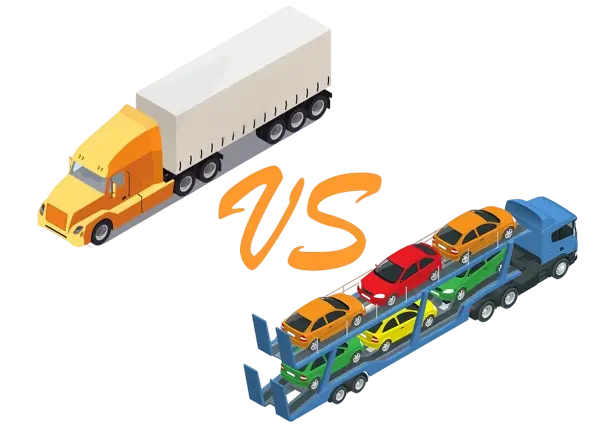
Open transport carries vehicles on an exposed multi-car trailer and is the standard choice for most everyday vehicles, while enclosed transport places the vehicle inside a covered trailer for additional protection from road and weather exposure. Enclosed transport commonly costs around 75% more on many routes, although the difference can vary with seasonality and carrier availability.

FUEL PRICES
Diesel and other operating fuel costs affect long-distance auto transport rates. Because an Arkansas-to-Washington shipment involves around 2,000 miles or more on many city pairs, changes in fuel prices can have a noticeable effect on carrier pricing.
VEHICLE CONDITION
An operable vehicle is generally easier and faster for a carrier to load, position, and unload. An inoperable vehicle typically costs more to transport because the carrier may need winch-loading equipment and additional handling during pickup and delivery.

PICKUP AND DELIVERY LOCATION
Major transportation areas such as Little Rock, Fort Smith, Fayetteville, and Northwest Arkansas can provide carriers with more efficient access than isolated rural pickup points. The same applies in Washington, where Seattle, Tacoma, Spokane, Bellevue, and Vancouver are generally easier to incorporate into established routes than remote mountain communities, distant coastal locations, or low-traffic rural areas requiring a substantial carrier detour.
How Long Arkansas to Washington Car Shipping Takes
Most vehicles shipped between Arkansas and Washington arrive within approximately 5 to 7 days after pickup, although shorter Northwest Arkansas-to-eastern Washington routes may fall toward the lower end of the range. Car carriers typically cover roughly 400 to 500 miles per day, so a route of approximately 2,200 miles generally fits within that transit window once the vehicle is underway. Current 2026 route data likewise places several major Arkansas-to-Washington city pairs in the 5-to-7-day range.
What Can Shift the Timing
- Weather is an important variable on this corridor because a carrier leaving central Arkansas may use I-40 while connecting with northwestern interstate networks before entering Washington. Depending on the origin, destination, carrier routing, and road conditions, western portions of the trip can involve corridors such as I-84, I-82, and I-90. Winter conditions and mountain-pass restrictions in the Pacific Northwest can slow progress, while summer construction and traffic near major Washington population centers can create additional delays.
- Holiday congestion and peak summer moving periods can also affect scheduling. Highway-adjacent pickups in Little Rock, Fort Smith, or Northwest Arkansas and deliveries around Seattle, Tacoma, Spokane, or Vancouver are generally easier to incorporate into a carrier's schedule than rural addresses requiring lengthy detours. Carrier availability and the flexibility of your pickup window can affect how quickly the vehicle gets matched and begins its trip.
Best and Slowest Months on This Corridor
- Customers shipping between Arkansas and Washington during moderate-demand periods in spring and fall generally see better carrier availability, outside major holiday and relocation windows. Weather can still affect individual trips, particularly later in fall as conditions change across northern and higher-elevation portions of the route.
- June through August can bring heavier relocation and moving demand, while late-November and December holiday schedules can tighten carrier availability. Winter shipments can also face changing road conditions as carriers approach Washington, so customers should expect the possibility of longer carrier matching or shifting pickup and delivery windows during busy or weather-sensitive periods.
Expedited Shipping Option
Expedited shipping prioritizes your vehicle for faster pickup and delivery on the Arkansas-to-Washington corridor. It can be useful when your relocation or travel schedule provides limited flexibility, but timing remains subject to carrier availability, traffic, weather, and road conditions.
Popular Arkansas to Washington City Routes
Arkansas-to-Washington vehicle shipments connect several major population centers across both states. Little Rock, Fayetteville, Fort Smith, and Springdale are common Arkansas origin areas, while Seattle, Tacoma, Spokane, Vancouver, and surrounding Washington communities provide major destination points for relocations, college moves, job transfers, and other long-distance shipments.
Service Areas in Arkansas Origin
AmeriFreight Auto Transport serves customers throughout Arkansas, including major population centers and regional communities such as Little Rock, North Little Rock, Conway, Benton, Hot Springs, Pine Bluff, Jonesboro, Fort Smith, Fayetteville, Springdale, Rogers, Bentonville, and Texarkana, as well as surrounding areas, location permitting.
Service Areas in Washington Destination
Washington service extends across major metro areas and regional population centers, including Seattle, Tacoma, Bellevue, Everett, Kent, Renton, Federal Way, Spokane, Vancouver, Olympia, Bellingham, Yakima, and the Tri-Cities area of Kennewick, Pasco, and Richland, and surrounding areas, location permitting.
Should You Drive or Ship Your Vehicle From Arkansas to Washington?
There is no universal right answer when deciding whether to drive or ship a vehicle from Arkansas to Washington. On a trip covering roughly 2,000 miles or more for many city pairs, the comparison should include more than the auto transport quote. Driving means accounting for fuel, hotel stays, meals, possible time away from work, vehicle wear, added mileage and depreciation, and several long days behind the wheel. Shipping means paying the transport cost while also budgeting for a one-way flight or other transportation to your destination.
Drive Cost Breakdown
| Expense Category | Driving Yourself | Shipping the Vehicle |
|---|---|---|
| Fuel | Roughly $250–$350, depending on vehicle efficiency and fuel prices | Included in carrier pricing |
| Hotel stays | Roughly $250–$500 for 2–3 overnight stops | Usually not required for the vehicle owner |
| Food and meals | Roughly $100–$200+ during the trip | Normal travel expenses at destination |
| Vehicle wear and mileage | Around 2,000+ additional miles, plus maintenance and depreciation | Avoids most additional driving mileage |
| Time commitment | Roughly 3–4 travel days for many city pairs | Vehicle typically spends about 5–7 days in transit after pickup |
| Transport/travel expense | No shipping charge, but driving expenses accumulate | Estimated $1,200–$1,500 open shipping, plus airfare or alternate transportation |
When Driving Makes Sense
Driving may make sense when your schedule is flexible, you enjoy long road trips, and putting roughly 2,000 additional miles or more on the vehicle is not a concern. It can also be practical when you prefer direct control over the vehicle throughout the trip.
When Shipping Makes Sense
Shipping is often more practical for a long Arkansas-to-Washington relocation, particularly for households moving multiple vehicles or owners who are already flying west. It can reduce travel time and avoid adding substantial interstate mileage, wear, and driver fatigue to the vehicle.
Get Started Today
Not sure which makes sense for your move?
Call (770) 486-1010 and an agent can walk through the math with you.
Open or Enclosed Auto Transport for the Arkansas to Washington Route
Open Auto Transport
Open auto transport is the standard and most commonly used option for vehicles moving between Arkansas and Washington. On this long-distance corridor, the vehicle travels on an open carrier and remains exposed to normal highway and weather conditions, similar to the exposure it would experience if driven across the route. That can include rain, changing temperatures, road debris, and seasonal conditions as the carrier moves toward the Pacific Northwest. Most sedans, SUVs, pickups, and other daily drivers ship this way, and open transport is usually the most budget-friendly choice for this lane.
Enclosed Auto Transport
Enclosed transport is commonly selected for luxury, exotic, classic, collectible, and low-clearance vehicles traveling from Arkansas to Washington. The covered trailer provides additional protection from weather and normal road exposure during the roughly 2,000-mile-plus journey, including changing conditions as carriers approach Washington and its mountain corridors. It can be particularly useful when minimizing environmental exposure is a priority for the vehicle owner. Enclosed shipping generally costs about 75% more than open transport, depending on the route, season, and carrier availability.
Simple 3-Step Process
How the Shipping Process Works
Shipping a car from Arkansas to Washington is generally a straightforward process that can be broken into three simple steps.
Start by requesting an estimate through AmeriFreight Auto Transport's online form or by phone. You'll provide the Arkansas pickup and Washington delivery ZIP codes, your vehicle's year, make and model, your preferred transport type when applicable, and an approximate pickup timeframe. AmeriFreight then provides a shipping estimate based on the route, season, vehicle details, and current transport conditions. Customers are not charged upfront before choosing a carrier for the shipment.
No upfront payment until you choose a carrierAmeriFreight matches the shipment with a vetted, USDOT-registered, and insured carrier operating on the Arkansas-to-Washington corridor. The carrier contacts you to confirm the pickup window and relevant logistics. On pickup day, the driver inspects the vehicle, records its condition on the Bill of Lading, and loads it onto the carrier. You receive a copy of the inspection documentation for your records.
USDOT-registered & insured carriersThe exact route depends on the pickup and delivery cities, but an Arkansas-to-Washington shipment can use major interstate systems such as I-40 before connecting with western and northwestern corridors such as I-84, I-82, and I-90. The carrier may adjust the route for other scheduled stops, weather, construction, or highway conditions. When the vehicle arrives in Washington, you or another designated adult completes a final inspection, reviews the vehicle against the pickup documentation, and signs the delivery paperwork to complete the shipment.
Bill of Lading signed at delivery
4.8


Over 1500+ Reviews BBB

4.8
Over 4,730+ Reviews Consumer Affairs

4.7

Over 5,360+ Reviews Google

4.9

Over 4000+ Reviews Transport Reviews

4.8
Over 9500+ Reviews Move.org

4.7
Over 700+ Reviews Trustpilot
What to Expect on Delivery Day
As your vehicle approaches its Washington destination, the carrier typically calls or texts ahead with an estimated delivery window. The timing can shift because of Seattle-area or other metro traffic, construction, weather, interstate delays, mountain conditions, or deliveries the driver needs to complete before reaching your location.
An adult age 18 or older must be available to accept the vehicle. If you cannot attend personally, you can designate a trusted friend, family member, coworker, or relocation contact to receive the vehicle and complete the delivery process.
The driver and receiving party inspect the vehicle together and compare its condition with the Bill of Lading completed at pickup in Arkansas. Photos taken before shipping can be useful during this comparison. If you notice a new scratch, dent, fluid leak, or another issue, document it on the Bill of Lading before signing the delivery paperwork.
Document any newly observed damage on the Bill of Lading immediately while completing the delivery inspection. Do not sign the paperwork as fully completed if something appears incorrect or damaged.
Customers enrolled in the AFTA PLAN gap protection program have 48 hours from delivery to report damages.
The remaining carrier balance is typically paid at delivery. Depending on the carrier's policies, accepted payment methods often include cash, certified check, or money order. Customers are informed of the carrier's payment requirements before pickup so the expected method and balance are known before delivery.
Once the inspection is complete and the paperwork is signed, the shipment is officially finished, you receive your copy of the signed Bill of Lading, and the carrier continues to the next scheduled stop.
Preparing Your Vehicle for Arkansas to Washington Transport
Preparing your vehicle for an Arkansas-to-Washington shipment is usually straightforward and takes relatively little time before pickup. Completing a few basic steps helps make the initial inspection clearer, reduces misunderstandings about the vehicle's existing condition, and makes loading and unloading more efficient for both you and the carrier.
What to Do
- Wash the vehicle. A clean exterior makes existing scratches, dents, chips, and other cosmetic issues easier to identify during the pickup inspection.
- Remove personal belongings. DOT regulations generally prohibit carriers from transporting household goods or loose personal belongings inside the vehicle. If a carrier permits limited items, prior approval is generally required and additional restrictions or fees may apply.
- Take clear photos. Photograph the vehicle from several angles before pickup so you have a visual record of its pre-shipping condition.
- Leave about one-quarter tank of fuel. This provides enough fuel for loading, unloading, and repositioning while avoiding unnecessary additional weight.
- Check the tires and battery. Make sure the tires have appropriate pressure and the battery is charged and operational before the carrier arrives.
- Disable aftermarket alarms. Turn off aftermarket alarms and anti-theft systems that could activate while the vehicle is in transit.
- Secure exterior accessories. Remove, fold, or secure antennas, bike racks, roof cargo boxes, spoilers, and other removable or custom exterior accessories when possible.
- Provide a working key. The carrier needs a functioning key to start, load, unload, and position the vehicle during transport.
Why AmeriFreight
Why Customers Choose AmeriFreight Auto Transport
AmeriFreight Auto Transport does not require payment before a carrier is selected for your Arkansas-to-Washington shipment. No upfront payment until you choose a carrier.
Customers may cancel their shipment order without charge if the vehicle has not yet been dispatched to a carrier.
Cancel free before carrier dispatchAmeriFreight Auto Transport works with carriers that meet USDOT licensing and insurance requirements and maintain public safety and performance records. This means customers do not have to independently screen transport drivers when arranging an Arkansas-to-Washington shipment.
AmeriFreight Auto Transport has established a review presence across major platforms including BBB, ConsumerAffairs, Google, Trustpilot, and Transport Reviews. This broad review history helps position AmeriFreight as one of the best-reviewed companies in the industry and gives customers multiple independent sources to consider when comparing auto transport providers.
Carrier insurance applies while a vehicle is in transit, but exclusions or deductible-related gaps may apply depending on the circumstances. AFTA PLAN is an optional gap protection program designed to help cover up to a defined portion of the customer's insurance deductible when applicable requirements are met. Eligible damage must be reported within 48 hours of delivery.
AmeriFreight Auto Transport offers route-eligible discounts for qualifying customers shipping between Arkansas and Washington. Available discount categories include:
Customer service agents can confirm which discounts apply to your shipment when you call.
Buyer's Guide
What to Look for in a Car Shipping Company for Arkansas to Washington Routes
Arkansas-to-Washington auto transport is a long-distance lane that can generate quotes from brokers, carriers, marketplaces, and lead-generation websites. Comparing the price alone does not tell you how established or dependable a provider is, so customers should also look at federal credentials, payment terms, review history, pricing practices, and access to real customer service.
Legitimate auto transport companies should publicly display their USDOT and MC numbers, typically in the website footer, About page, or credentials section. Customers can independently check those numbers through the FMCSA SAFER database before booking a shipment.
Arkansas-to-Washington transport prices fluctuate with season, route demand, vehicle type, pickup location, and carrier availability. Quotes dramatically below the rest of the market may indicate bait-and-switch pricing tactics; normal variation between legitimate quotes on the same long-distance lane is generally measured in hundreds of dollars rather than extreme gaps.
Be cautious when a company requests full payment before assigning a carrier to your shipment. Reputable transport companies generally collect payment only after the customer approves a specific carrier match for the route.
Established auto transport companies generally maintain review histories across platforms such as BBB, ConsumerAffairs, Google, Trustpilot, and Transport Reviews. Look for relatively consistent ratings and meaningful review histories across several sources instead of relying on unusually high scores isolated to one platform.
Direct access to a live customer service agent is one of the simplest ways to confirm that an auto transport company is active and engaged with its customers. AmeriFreight Auto Transport customer service agents can be reached at (770) 486-1010.
Relocation Guidance
State Insights for Arkansas to Washington Moves
After establishing residency in Washington, new residents generally need to obtain a Washington driver's license and register their vehicle with the state within 30 days. Washington requires vehicle owners to provide the appropriate ownership documentation when transferring an out-of-state vehicle, so keeping your Arkansas title and registration paperwork accessible during the move can make the process easier. Washington does not currently require a general statewide vehicle safety inspection or emissions test for ordinary passenger vehicles.
Washington drivers must also meet the state's minimum automobile liability requirements before operating a vehicle on public roads. The commonly stated minimum limits are $25,000 for injury or death to one person, $50,000 for injury or death to two or more people, and $10,000 for property damage. Washington generally follows a fault-based liability system rather than a no-fault auto insurance system. Registration and title circumstances can differ for financed or leased vehicles, so new residents should verify current documentation requirements with the Washington Department of Licensing before completing the transfer.
Before shipping a vehicle out of Arkansas, make sure its title, registration, insurance, and any lienholder documentation are accessible and current enough to support the move and subsequent Washington registration process. Arkansas residents should also resolve outstanding registration matters, applicable taxes or fees, parking or toll-related obligations, and any title issues before departure rather than trying to correct missing documentation after arriving across the country. Arkansas does not use a statewide emissions-testing program for ordinary passenger vehicles, so there generally is not an emissions certificate that must be obtained specifically for departure.
If the vehicle is financed, keep lienholder information available because Washington title procedures may require additional documentation. Drivers should also update or cancel Arkansas registration and insurance only when appropriate for their relocation circumstances and after ensuring continuous coverage while the vehicle remains registered or is being transitioned between states. Because this route can cross colder, higher-elevation western corridors, winter shippers should also check the battery, tires, and basic vehicle condition before pickup. Verify current requirements with the Arkansas Department of Finance and Administration and Washington Department of Licensing because state procedures can change.
Frequently Asked Questions
Shipping a car from Arkansas to Washington typically costs an estimated $1,200 to $1,500 for open auto transport and approximately $2,100 to $2,625 for enclosed transport. Pricing varies based on distance, vehicle size and weight, transport type, seasonal demand, carrier availability, and pickup flexibility. These figures are estimates rather than guaranteed quotes. Call AmeriFreight Auto Transport at (770) 486-1010 to discuss pricing for your specific shipment.
Most Arkansas-to-Washington shipments should be planned around a 5-to-7-day transit window after pickup for many major city pairs. Car carriers typically cover roughly 400 to 500 miles per day once the vehicle is in transit, while pickup scheduling, weather, traffic, road conditions, and carrier availability can affect the overall timeline.
You do not personally have to attend both appointments, but either you or another trusted adult age 18 or older must be available at pickup and delivery. That person releases or receives the vehicle, participates in the condition inspection, reviews the paperwork, and signs the Bill of Lading.
Carrier liability coverage applies while the vehicle is loaded and in transit. AmeriFreight also offers AFTA PLAN as optional gap protection for qualifying shipments, with eligible damage required to be reported within 48 hours of delivery. AFTA PLAN is a gap protection program and should not be considered a replacement for carrier insurance.
Open transport carries your vehicle on an exposed multi-car trailer, so it encounters ordinary weather and road exposure during the Arkansas-to-Washington journey. It is the standard choice for most sedans, SUVs, pickups, and daily-use vehicles and is typically the more budget-friendly option.
Enclosed transport uses a covered trailer to provide additional protection from weather and road exposure. It is commonly selected for luxury, classic, exotic, collectible, and low-clearance vehicles and generally costs about 75% more than open transport, depending on season, route conditions, and carrier availability.
Ready to ship your car from Arkansas to Washington?
Talk to a customer service agent. No upfront payment until you choose a carrier.
Auto Transport Services Coast to Coast, State to State
- Alabama Car Shipping
- Alaska Car Shipping
- Arizona Car Shipping
- Arkansas Car Shipping
- California Car Shipping
- Colorado Car Shipping
- Connecticut Car Shipping
- Delaware Car Shipping
- Florida Car Shipping
- Georgia Car Shipping
- Hawaii Car Shipping
- Idaho Car Shipping
- Illinois Car Shipping
- Indiana Car Shipping
- Iowa Car Shipping
- Kansas Car Shipping
- Kentucky Car Shipping
- Louisiana Car Shipping
- Maine Car Shipping
- Maryland Car Shipping
- Massachusetts Car Shipping
- Michigan Car Shipping
- Minnesota Car Shipping
- Mississippi Car Shipping
- Missouri Car Shipping
- Montana Car Shipping
- Nebraska Car Shipping
- Nevada Car Shipping
- New Hampshire Car Shipping
- New Jersey Car Shipping
- New Mexico Car Shipping
- New York Car Shipping
- North Carolina Car Shipping
- North Dakota Car Shipping
- Ohio Car Shipping
- Oklahoma Car Shipping
- Oregon Car Shipping
- Pennsylvania Car Shipping
- Rhode Island Car Shipping
- South Carolina Car Shipping
- South Dakota Car Shipping
- Tennessee Car Shipping
- Texas Car Shipping
- Utah Car Shipping
- Vermont Car Shipping
- Virginia Car Shipping
- Washington Car Shipping
- West Virginia Car Shipping
- Wisconsin Car Shipping
- Wyoming Car Shipping
Detailed video guides for every shipping requirement
Read Our Auto Transport Guides

Shipping a Flood-Damaged Car
Shipping a flood-damaged car? Learn risks, costs, and what carriers require to avoid delays, failed pickups, and costly surprises.
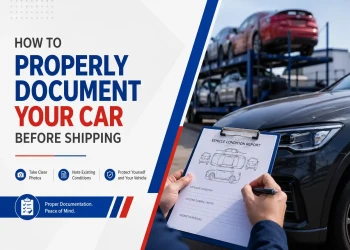
How to Properly Document Your Car Before Shipping
Don't let shipping damage deny your claim. Use this guide to meticulously document your car's condition before transport.
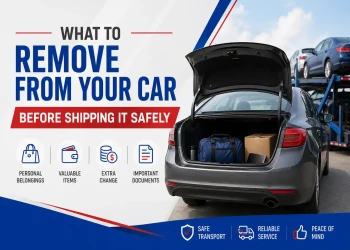
What to Remove from Your Car Before Shipping It Safely
Learn what to remove from your car before shipping to avoid delays, damage, or denied claims and understand the key rules and risk...
Ready to get an estimate from AmeriFreight
Auto Transport? Call us at (770) 486-1010
Get free quote
