
Top-Rated Alabama to Alaska Car Shipping Company
Alabama-to-Alaska vehicle shipping connects the Southeast with America’s northernmost state across a long-haul corridor of roughly 4,200 to 4,400 road miles. Most vehicles arrive about 10 to 14 days after pickup, depending on the Alaska destination, weather, border conditions, carrier routing, and pickup accessibility.


Start your free quote
AmeriFreight Auto Transport Reviews
AmeriFreight Auto Transport is BBB-accredited and A-rated, and we're proud to say that customer service is our #1 priority. Don't just take our word for it, see what our customers have to say about our auto transport services!
Licensed & Accredited
How Much It Costs to Ship a Car from Alabama to Alaska
Shipping a standard vehicle from Alabama to Alaska typically costs an estimated $1,200 to $1,500 with open transport or approximately $2,100 to $2,625 with enclosed transport. These estimates generally account for carrier compensation, fuel, standard operating expenses, and the carrier’s basic liability coverage while the vehicle is loaded and in transit.
Your final price can change based on the total mileage, vehicle size and weight, open versus enclosed service, seasonal demand, pickup and delivery flexibility, fuel prices, vehicle condition, and the accessibility of the Alaska destination. Rural Alaska service, winter conditions, cross-border routing through Canada, or delivery outside the Anchorage and Fairbanks corridors may raise the carrier’s operating cost. All figures on this page are estimates rather than guaranteed prices.
Call AmeriFreight Auto Transport at (770) 486-1010 to talk through what your specific shipment would cost.

Most Popular Alabama to Alaska Car Shipping Routes
| Route | Distance | Transit Time |
|---|---|---|
| Birmingham to Anchorage | Approximately 4,300 miles | 10–14 days |
| Huntsville to Anchorage | Approximately 4,200 miles | 10–14 days |
| Montgomery to Anchorage | Approximately 4,400 miles | 10–14 days |
| Mobile to Anchorage | Approximately 4,550 miles | 11–15 days |
| Tuscaloosa to Anchorage | Approximately 4,350 miles | 10–14 days |
| Birmingham to Fairbanks | Approximately 4,600 miles | 11–15 days |
| Huntsville to Fairbanks | Approximately 4,500 miles | 11–15 days |
| Montgomery to Fairbanks | Approximately 4,700 miles | 11–16 days |
| Mobile to Fairbanks | Approximately 4,850 miles | 12–16 days |
| Auburn to Anchorage | Approximately 4,450 miles | 10–15 days |
What Affects Your Alabama to Alaska Car Shipping Cost

DISTANCE
Most Alabama-to-Alaska shipments involve approximately 4,200 to 4,800 road miles, making distance the largest pricing factor on this corridor. Long-haul mileage increases fuel consumption, driver hours, equipment use, border-related logistics, and the carrier’s total operating time.

VEHICLE SIZE AND WEIGHT
Compact cars generally cost less to transport than full-size SUVs, lifted trucks, cargo vans, or dually pickups. Larger and heavier vehicles take up more trailer space, reduce the number of vehicles a carrier can load, and may require special positioning to stay within legal weight limits.

PICKUP AND DELIVERY FLEXIBILITY
A flexible pickup window gives carriers more opportunity to coordinate your vehicle with other northbound loads. Expedited service, exact-date requests, or narrow delivery windows usually cost more because the carrier has fewer routing and scheduling options.

SEASONAL DEMAND
Summer moving activity and Alaska’s more favorable road conditions can increase demand between May and August. Winter shipments may face fewer regularly scheduled carriers, snow and ice through western Canada and Alaska, shorter daylight hours, and weather-related scheduling changes.

OPEN VS. ENCLOSED TRANSPORT
Open transport moves vehicles on the multi-car trailers commonly seen on interstate highways, while enclosed transport surrounds the vehicle with additional protection from weather and road exposure. Enclosed service commonly costs about 75% more on many routes, although the difference depends on the season, equipment availability, and the Alaska delivery market.

FUEL PRICES
Diesel prices have a meaningful effect on a journey of more than 4,000 miles. Fuel adjustments may be reflected in carrier offers, particularly when operating costs rise along long U.S. and Canadian highway segments.

VEHICLE CONDITION
An operable vehicle is easier and faster to load, unload, and reposition on the trailer. An inoperable vehicle generally costs more because the carrier may need winch equipment, additional labor, and enough trailer access to load it safely.
PICKUP AND DELIVERY LOCATION
Pickup near Birmingham, Huntsville, Montgomery, Mobile, or another interstate-accessible Alabama market is usually easier to coordinate than pickup in a remote rural community. In Alaska, Anchorage, Wasilla, Palmer, and Fairbanks are generally more accessible than isolated coastal communities, Arctic locations, or destinations beyond the main road system, which may require a detour, terminal arrangement, ferry connection, or separate local transport.
How Long Alabama to Alaska Car Shipping Takes
Most vehicles shipped between Alabama and Alaska arrive within 10 to 14 days after pickup. Car carriers often cover approximately 400 to 500 miles per operating day, so a route of about 4,300 miles falls near that range before accounting for required rest periods, weather, border processing, loading stops, and local delivery sequencing.
What Can Shift the Timing
- A typical northbound route may use I-65 through Alabama and Tennessee before connecting with western corridors such as I-24, I-57, I-64, I-70, I-29, I-90, or I-94, followed by Canadian highways and the Alaska Highway. Snow, wildfire smoke, flooding, construction, or closures along these corridors can affect progress. Holiday traffic, summer relocation demand, Canadian border procedures, and limited Alaska carrier density may also shift timing.
- Pickup and delivery accessibility matters as well. A highway-adjacent address in Birmingham or Huntsville may be easier to schedule than a rural Alabama pickup, while Anchorage-area delivery is generally easier to coordinate than an off-corridor Alaska community. Vehicle availability and a flexible pickup window can also help carriers build a more efficient load.
Best and Slowest Months on This Corridor
- Customers shipping between Alabama and Alaska during April, May, September, and early October generally see a useful balance of carrier availability and manageable seasonal demand, although northern weather can still change quickly.
- The busiest period is often June through August, when military moves, household relocations, tourism employment, and Alaska’s summer travel season overlap. Late November through March can bring tighter carrier matching, less predictable pickup windows, and weather-related adjustments across Canada and Alaska.
Expedited Shipping Option
Expedited shipping prioritizes your vehicle for faster carrier matching and pickup on the Alabama-to-Alaska corridor. It provides prioritized pickup rather than a guaranteed pickup or delivery date.
Popular Alabama to Alaska City Routes
Birmingham-to-Anchorage, Huntsville-to-Anchorage, Montgomery-to-Fairbanks, and Mobile-to-Anchorage are among the more practical city combinations on this lane. These routes commonly serve military relocations, employment moves, college transitions, household transfers, and customers who would rather avoid adding more than 4,000 miles to their vehicles.
Service Areas in Alabama Origin
AmeriFreight Auto Transport serves customers throughout Alabama, including Birmingham, Huntsville, Montgomery, Mobile, Tuscaloosa, Hoover, Auburn, Dothan, Decatur, Madison, Florence, Gadsden, Opelika, and surrounding areas, location permitting. Pickup may also be arranged in communities along the I-65, I-20, I-59, I-85, I-10, and U.S. highway corridors when a carrier can safely and legally access the location.
Service Areas in Alaska Destination
Service in Alaska may include Anchorage, Eagle River, Wasilla, Palmer, Fairbanks, North Pole, Kenai, Soldotna, Seward, Homer, Valdez, Glennallen, Kodiak-connected arrangements, and surrounding areas, location permitting. Because many Alaska communities are outside the connected highway system, some destinations may require terminal delivery, ferry coordination, port service, or a separate local carrier.
Should You Drive or Ship Your Vehicle From Alabama to Alaska?
There is no universal right answer. Driving may appear less expensive when only fuel is considered, but the complete comparison should include hotels, meals, possible tolls, time away from work, cross-border paperwork, vehicle maintenance, tire wear, depreciation from more than 4,000 additional miles, and travel fatigue. Shipping involves the transport charge plus a flight or alternate transportation, but it can eliminate a multi-day international road trip through remote stretches of Canada.
Drive Cost Breakdown
| Expense Category | Driving Yourself | Shipping the Vehicle |
|---|---|---|
| Cost Category | Drive the Vehicle | Ship the Vehicle |
| Fuel | Approximately $600–$850 | Included in carrier price |
| Hotel stays | Approximately $700–$1,300 for 7–10 nights | Usually not required |
| Food and meals | Approximately $350–$700 | Limited to normal travel expenses |
| Vehicle wear, maintenance, and mileage depreciation | Approximately $600–$1,200 | Minimal added mileage |
| Time commitment | Roughly 8–12 travel days | Drop-off and delivery coordination |
| Shipping plus one-way airfare or alternate transportation | Not applicable | Approximately $1,500–$2,300 total for open shipping and traveler transportation |
When Driving Makes Sense
Driving may make sense when you have a flexible schedule, enjoy extended road trips, are comfortable driving through Canada, and do not mind the added mileage. It may also suit travelers who need their vehicle and personal control throughout the journey.
When Shipping Makes Sense
Shipping is often more practical for long-distance relocations, military transfers, multi-vehicle households, winter moves, and customers who are already flying to Alaska. It saves travel time and avoids thousands of miles of wear, fatigue, and exposure to remote-road conditions.
Get Started Today
Not sure which makes sense for your move?
Call (770) 486-1010 and an agent can walk through the math with you.
Open or Enclosed Auto Transport for the Alabama to Alaska Route
Open Auto Transport
Open transport is the standard and most commonly used option for vehicles moving from Alabama to Alaska. It is well suited to sedans, SUVs, pickup trucks, and daily drivers traveling the long interstate and Canadian highway corridor. The vehicle remains exposed to ordinary rain, dust, snow, road spray, and highway conditions, similar to what it would encounter if driven directly. Open transport is usually the more budget-friendly option for this lane.
Enclosed Auto Transport
Enclosed transport is commonly selected for luxury, exotic, classic, collectible, restored, or low-clearance vehicles. The enclosed trailer provides additional protection from road debris, precipitation, winter grime, Canadian highway dust, and weather exposure during the long northbound trip. It can be especially appealing for vehicles whose condition or finish requires additional care. Enclosed shipping generally costs about 75% more than open transport, depending on season, route conditions, and carrier availability.
Simple 3-Step Process
How the Shipping Process Works
Shipping a car from Alabama to Alaska can generally be broken into three straightforward steps.
Start by requesting an estimate through AmeriFreight’s online form or by phone. You provide the origin and destination ZIP codes, vehicle year, make and model, transport preference, and approximate pickup timeframe. AmeriFreight prepares an estimate based on the route, season, vehicle, and current carrier market. You are not charged upfront before choosing a carrier for the shipment.
No upfront payment until you choose a carrierAmeriFreight matches the shipment with a vetted, USDOT-registered, and insured carrier serving the Alabama-to-Alaska corridor. The carrier contacts you to confirm the pickup window and practical loading details. At pickup, the driver inspects the vehicle, records its condition on the Bill of Lading, and loads it onto the trailer. You receive a copy of the inspection documentation for your records.
USDOT-registered & insured carriersThe carrier may travel from Alabama along I-65 and connecting westbound or northbound interstate routes before entering Canada and continuing toward the Alaska Highway. The exact path depends on the carrier’s other vehicles, weather, road restrictions, and delivery sequence. At the destination, you or another designated adult inspects the vehicle, reviews and signs the delivery paperwork, and completes the shipment.
Bill of Lading signed at delivery
4.8


Over 1500+ Reviews BBB

4.8
Over 4,730+ Reviews Consumer Affairs

4.7

Over 5,350+ Reviews Google

4.9

Over 4000+ Reviews Transport Reviews

4.8
Over 9500+ Reviews Move.org

4.7
Over 700+ Reviews Trustpilot
What to Expect on Delivery Day
The carrier usually calls or texts before arrival with an estimated delivery window. Timing may shift because of traffic, weather, construction, border delays, road restrictions, or earlier deliveries on the carrier’s route.
An adult age 18 or older must be available to accept the vehicle. When you cannot attend, you may designate a trusted friend, family member, coworker, military relocation contact, or other responsible adult.
The driver and receiving party inspect the vehicle together and compare its condition with the Bill of Lading completed in Alabama. Pickup photographs can be useful during this review. Any new scratch, dent, leak, or other concern should be written on the Bill of Lading before the delivery paperwork is signed.
Document any newly observed damage on the Bill of Lading immediately during the inspection. Do not sign the paperwork as fully completed when something appears incorrect or damaged.
Customers enrolled in the AFTA PLAN gap protection program have 48 hours from delivery to report damages.
The remaining carrier balance is typically paid at delivery. Depending on the carrier, accepted methods may include cash, certified check, cashier’s check, or money order. The carrier’s payment requirements are communicated before pickup so you can prepare for delivery.
Once the inspection and paperwork are complete, the shipment is finished, you receive your signed Bill of Lading, and the carrier continues to the next stop.
Preparing Your Vehicle for Alabama to Alaska Transport
Vehicle preparation is generally simple and takes only a short time before pickup. Completing these steps helps the condition inspection proceed smoothly, reduces misunderstandings, and makes loading and unloading more efficient.
What to Do
- Wash the vehicle. A clean exterior makes existing scratches, dents, chips, and cosmetic issues easier to see during the pickup inspection.
- Remove personal belongings. DOT rules and carrier policies generally restrict household goods and loose personal property inside transported vehicles. When a carrier permits limited items, prior approval, weight limits, placement restrictions, or extra fees may apply.
- Take photographs. Capture clear, date-stamped images from several angles, including close-ups of existing damage.
- Leave about one-quarter tank of fuel. This is normally enough for loading and unloading without adding unnecessary trailer weight.
- Check tires and battery. Confirm that the tires are properly inflated and the battery can start the vehicle reliably.
- Disable alarms. Turn off aftermarket alarm systems or provide clear instructions for deactivation.
- Secure exterior accessories. Remove, fold, retract, or secure antennas, roof boxes, bike racks, spoilers, and other removable accessories when possible.
- Provide a working key. The carrier needs a key to load, unload, start, steer, and position the vehicle.
Why AmeriFreight
Why Customers Choose AmeriFreight Auto Transport
AmeriFreight does not require payment before a carrier is selected for your shipment. No upfront payment until you choose a carrier.
Customers may cancel their shipment order without charge when the vehicle has not yet been dispatched to a carrier.
Cancel free before carrier dispatchAmeriFreight works with carriers that meet applicable USDOT registration and insurance requirements and maintain public safety and performance records. Customers do not need to independently identify and screen transport drivers.
AmeriFreight is one of the best-reviewed companies in the auto transport industry, with review histories across BBB, ConsumerAffairs, Google, Trustpilot, and Transport Reviews. As of August 2026, BBB displayed a 4.82-out-of-5 customer-review score based on 716 reviews, while Trustpilot listed more than 660 reviews; ratings and review counts can change as customers post new feedback.
The assigned carrier’s liability coverage applies while the vehicle is loaded and in transit, but exclusions, claim limits, or deductible-related gaps may apply depending on the circumstances. AFTA PLAN is an optional gap protection program intended to help with up to a defined portion of a customer’s deductible when eligible damage is reported within 48 hours of delivery. AFTA PLAN is not insurance and does not replace or extend the carrier’s policy.
Route-eligible discounts may be available to qualifying Alabama-to-Alaska customers, including:
Customer service agents can confirm which discounts apply to your shipment when you call.
Buyer's Guide
What to Look for in a Car Shipping Company for Alabama to Alaska Routes
Alabama-to-Alaska shipping is a specialized long-distance lane, and customers may receive offers from brokers, carriers, marketplaces, and lead-generation websites with very different service levels. Knowing what to verify can help distinguish an established transport company from an operator relying on unrealistic pricing or unclear terms.
A legitimate auto transport company should publicly display its USDOT and MC information, often in the website footer, About page, or credentials section. Customers can verify these numbers through the FMCSA SAFER database before choosing a company.
Pricing changes with season, vehicle type, route demand, Canadian transit considerations, destination access, and carrier availability. An offer dramatically below the broader market may indicate that the initial figure will change later; normal quote variation is more often measured in hundreds of dollars than in extreme gaps.
Be cautious when a company requests full payment before identifying a carrier. Reputable transport brokers generally collect their portion after the customer reviews and approves a carrier assignment.
Established companies normally have review histories across several sources, including BBB, ConsumerAffairs, Google, Trustpilot, and Transport Reviews. Consistency across multiple platforms is generally more informative than an unusually high rating displayed on only one website.
Direct access to a live customer service agent is one of the easiest ways to confirm that a company is active and engaged. AmeriFreight Auto Transport customer service agents can be reached at (770) 486-1010.
Relocation Guidance
State Insights for Alabama to Alaska Moves
A person establishing Alaska residency or taking employment in the state generally must apply for Alaska vehicle registration within 10 days of entering the state or starting work. Alaska DMV notes that a nonresident may operate a vehicle with valid out-of-state registration for up to 60 days, but the shorter 10-day rule applies when residency or employment is established. A new resident must transfer an out-of-state driver’s license within 90 days, or within 30 days for a commercial license.
Alaska does not maintain a statewide recurring safety or emissions inspection program for ordinary passenger-vehicle registration. Bring the out-of-state title or lienholder information, current registration, identification, and any documents requested for title transfer; unusual, corrected, rebuilt, or ownership-deficient records may require additional VIN or inspection documentation. Alaska requires minimum liability limits of $50,000 per person, $100,000 per accident, and $25,000 for property damage.
Before departure, resolve any pending Alabama registration matters, insurance verification notices, tolls, parking citations, title issues, or lienholder paperwork. Alabama requires liability coverage while a vehicle remains actively registered, so do not cancel the Alabama policy prematurely while the Alabama registration and plate remain connected to the vehicle. Alabama does not require departing residents to return a plate in every situation, but the Department of Revenue says a registrant may voluntarily surrender the plate before cancelling the Alabama policy to avoid future Mandatory Liability Insurance complications.
Keep the Alabama title, registration, lien release if applicable, and proof of identity accessible rather than packed inside the transported vehicle. Before a winter shipment, check the battery, tires, coolant protection, and cold-weather readiness because the vehicle may encounter freezing temperatures shortly after arrival. Verify current requirements with Alabama and Alaska agencies because forms and procedures can change.
Frequently Asked Questions
Open transport is estimated at approximately $1,200 to $1,500, while enclosed transport is estimated at about $2,100 to $2,625 under the supplied pricing framework. Vehicle size, exact mileage, transport type, season, Alaska destination, carrier availability, and pickup flexibility can change the final amount. These figures are estimates rather than guaranteed quotes. Call (770) 486-1010 for a shipment-specific estimate.
Most vehicles arrive about 10 to 14 days after pickup. Carriers commonly average roughly 400 to 500 miles per operating day, but weather, rest requirements, Canadian border processing, traffic, pickup scheduling, other deliveries, and carrier availability can affect the total timeline.
You or another trusted adult age 18 or older must be available at pickup and delivery. That person reviews the inspection, releases or receives the vehicle, and signs the Bill of Lading.
The carrier’s liability coverage applies while the vehicle is loaded and in transit, subject to the policy’s terms, exclusions, and claim procedures. AFTA PLAN may be available as optional gap protection for qualifying shipments when eligible damage is reported within 48 hours of delivery. AFTA PLAN is not insurance.
Open transport is the standard, lower-cost choice for most sedans, SUVs, pickups, and daily drivers. The vehicle is exposed to ordinary weather, dust, road spray, and highway conditions during the long journey.
Enclosed transport provides additional separation from road and weather exposure and is commonly chosen for classic, luxury, exotic, collectible, restored, or low-clearance vehicles. It generally costs about 75% more, depending on season and enclosed-carrier availability.
Ready to Ship Your Car From Alabama to Alaska?
Talk to a customer service agent. No upfront payment until you choose a carrier.
Auto Transport Services Coast to Coast, State to State
- Alabama Car Shipping
- Alaska Car Shipping
- Arizona Car Shipping
- Arkansas Car Shipping
- California Car Shipping
- Colorado Car Shipping
- Connecticut Car Shipping
- Delaware Car Shipping
- Florida Car Shipping
- Georgia Car Shipping
- Hawaii Car Shipping
- Idaho Car Shipping
- Illinois Car Shipping
- Indiana Car Shipping
- Iowa Car Shipping
- Kansas Car Shipping
- Kentucky Car Shipping
- Louisiana Car Shipping
- Maine Car Shipping
- Maryland Car Shipping
- Massachusetts Car Shipping
- Michigan Car Shipping
- Minnesota Car Shipping
- Mississippi Car Shipping
- Missouri Car Shipping
- Montana Car Shipping
- Nebraska Car Shipping
- Nevada Car Shipping
- New Hampshire Car Shipping
- New Jersey Car Shipping
- New Mexico Car Shipping
- New York Car Shipping
- North Carolina Car Shipping
- North Dakota Car Shipping
- Ohio Car Shipping
- Oklahoma Car Shipping
- Oregon Car Shipping
- Pennsylvania Car Shipping
- Rhode Island Car Shipping
- South Carolina Car Shipping
- South Dakota Car Shipping
- Tennessee Car Shipping
- Texas Car Shipping
- Utah Car Shipping
- Vermont Car Shipping
- Virginia Car Shipping
- Washington Car Shipping
- West Virginia Car Shipping
- Wisconsin Car Shipping
- Wyoming Car Shipping
Detailed video guides for every shipping requirement


Read Our Auto Transport Guides

Shipping a Flood-Damaged Car
Shipping a flood-damaged car? Learn risks, costs, and what carriers require to avoid delays, failed pickups, and costly surprises.
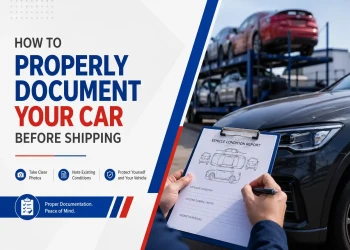
How to Properly Document Your Car Before Shipping
Don't let shipping damage deny your claim. Use this guide to meticulously document your car's condition before transport.
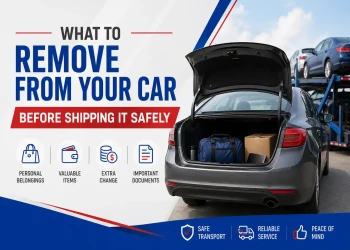
What to Remove from Your Car Before Shipping It Safely
Learn what to remove from your car before shipping to avoid delays, damage, or denied claims and understand the key rules and risk...
Ready to get an estimate from AmeriFreight
Auto Transport? Call us at (770) 486-1010
Get free quote
