Get up to 50% OFF Auto Transport! Follow us on social media for an extra $20 OFF – just show proof to qualify.

Protecting Long-Term Value with Classic Car Shippers: The Best Practices

 classic car

Moving a classic car isn’t a regular task. It comes with real concerns and big responsibility. These cars carry history, craftsmanship, and personal meaning, so they deserve careful handling. The main challenge is keeping your vehicle safe from damage, weather, and other risks during transport. 

Choosing a trusted, enclosed shipping service is the best way to protect your car and give yourself peace of mind. This guide will show you how to ship your classic car the right way. 

What You’ll Learn

In this guide, we will answer:

  • What are the safest and secure transport solutions for classic vehicles?

  • How can I prepare my vintage vehicle for a smooth, worry-free transport experience?

  • What type of insurance coverage and carrier qualifications should I look for before booking?

Overview

Moving a classic car takes planning and care to keep it safe and maintain its value. The best method depends on your car’s needs and your budget.

Risks of Moving a Classic Car:
Classic cars are fragile. They can be damaged by weather, road debris, or extra mileage. Theft is also a concern during transport.

Best Practices for Transport:
Inspect your car and take photos. Choose enclosed transport and confirm insurance coverage. Book early and stay in touch with your driver.

Damage Prevention:
Remove personal items and secure loose parts. Keep the gas tank one-quarter full, charge the battery, and record the mileage before pickup.

Why Choose Enclosed Transport:
It offers full protection from weather and debris. Cars are handled gently with soft straps and liftgates. Coverage matches the car’s full value.

Downsides of Open Transport:
It costs less but exposes the car to the elements. Road debris, sun, and rain can cause damage. Visible classic cars may also attract unwanted attention.

Understanding Insurance:
Carriers must have cargo insurance. Classic cars need agreed-value coverage or extra protection for complete peace of mind.

Shipping Non-Running Cars:
Winches, liftgates, and soft straps help move cars that don’t run or have low ground clearance safely.

Finding a Reliable Shipper:
Check the company’s FMCSA registration and read customer reviews. Make sure they meet safety and privacy standards.

What Makes Moving a Classic Car Risky?

8Zgc57AAAABklEQVQDAJgz8ksvP+LLAAAAAElFTkSuQmCC


Classic cars are valuable and need special handling. Here’s why driving or using the wrong transport method can hurt their condition and value.

  • Risk of Damage: Classic cars can be fragile. A single scratch or dent during transport can seriously reduce their worth.

  • Exposure to Weather: Rain, snow, salt, and sunlight can cause rust, faded paint, and cracked interiors. Enclosed transport helps prevent that damage.

  • Unwanted Mileage: Driving the car adds miles, which lowers its value. Shipping keeps the odometer low and protects your investment.

  • Theft Risk: These cars attract attention. Professional transport keeps them secure, out of sight, and covered by appropriate insurance.

Best Practices for Classic Car Transport

Shipping a vintage car is not like shipping a daily driver. Follow these expert transport checklist items for a smooth, damage-free experience:

  • unchecked

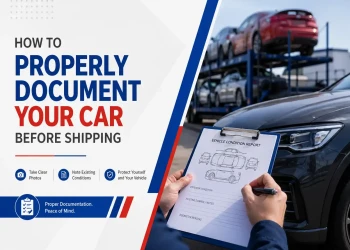
    Inspect Your Car Thoroughly: Take clear photos of every part of your car to document its condition before transport.

  • unchecked

    Choose Enclosed Transport: Always use enclosed shipping for restored, rare, or high-value classic cars to protect them from weather, dirt, and road debris.

  • unchecked

    Verify Insurance Coverage: Confirm your vehicle’s value is adequately reflected in your coverage. Look for agreed-value options to secure that your classic is properly protected.

  • unchecked

    Pick a White-Glove Carrier: Choose a carrier that uses soft straps, hydraulic liftgates, and enclosed trailers, and avoid any company that uses chains or basic ramps.

  • unchecked

    Book Early: Schedule your shipment at least two to three weeks ahead, especially around big car shows or auction seasons when demand is high.

  • unchecked

    Stay in Contact: Ask your advisor about communication expectations and updates available through your assigned carrier.

How to Avoid Damage When Shipping a Vintage Car

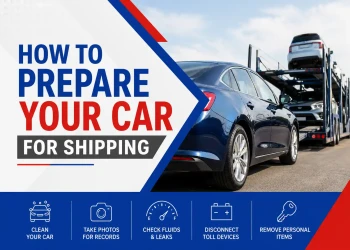
Minimizing risk requires proper preparation. Use this checklist to know your classic is ready for a damage-free shipping experience:

  • unchecked

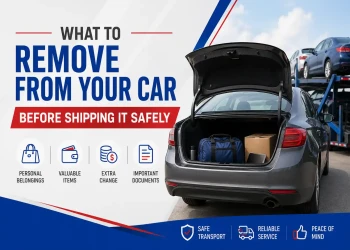
    Remove all non-essential items from the interior and trunk.

  • unchecked

    Secure or disable any loose antennas, spoilers, or low-hanging parts.

  • unchecked

    Top off all fluids (especially oil and coolant), but leave the gas tank only a quarter full to reduce weight.

  • unchecked

    Check if the battery is fully charged. If the car is not running, make sure the tires hold air.

  • unchecked

    Document and photograph the mileage before the carrier takes possession.

Why Enclosed Transport Is the Best Choice for Classic Cars

When moving a rare, restored, or high-value classic car, enclosed transport is the safest and most cost-effective option. 

Feature

What It Does

Why It Matters for Classic Cars

Maximum Protection from the Elements

Shields the car from rain, snow, wind, dirt, and UV rays.

Prevents fading, oxidation, and water damage to vintage paint and chrome.

Climate-Controlled Options

Maintains steady temperatures and humidity inside the trailer.

Protects cars with wooden trim, specialty paint, or delicate finishes from condensation or thermal damage.

Gentle, Professional Handling

Uses soft straps instead of chains, plus hydraulic liftgates and specialized loading.

Avoids pressure on suspension or undercarriage and keeps low-clearance cars safe during loading and unloading.

Collector-Grade Insurance

Includes agreed-value coverage that reflects your car’s full market worth.

Maximum protection beyond basic cargo limits offered by standard carriers.

What Are The Risks Of Using Open Transport For A Classic Car?

Open transport may cost less, but it exposes your car to several risks that can easily outweigh the savings:

  • Weather Exposure: Wind, rain, and sunlight can fade or damage the original finish.

  • Road Debris: Rocks, tire fragments, and dust can cause chips or cracks.

  • Security Risks: Classic cars attract unwanted attention when visible on open trailers.

  • Stacked Loading: Cars loaded above others risk leaks or shifting that can cause damage.

Insurance Explained Clearly

Z33+oMAAAAGSURBVAMAUGFTn8VcRZkAAAAASUVORK5CYII=


When shipping a classic or collector vehicle, it’s important to understand how coverage works and what options are available to help protect your car during transport. 

  • Carrier Cargo Insurance: Licensed carriers are required by federal law to maintain active cargo insurance while your vehicle is in their care. Coverage limits can vary by carrier, so customers should review their insurance policies.

  • Agreed-Value Coverage: This is vital. It means the insurer agrees on the value of your car before the trip. In a claim, they pay this agreed amount, removing the risk of a low appraisal.

  • Supplemental Coverage Options: In addition to the carrier’s required cargo insurance, many customers consider adding supplemental protection for added peace of mind.

Looking for added peace of mind?

AmeriFreight Auto Transport offers the optional AFTA PLAN, a gap protection plan.

Non-Running and Low-Clearance Classic Cars

Shipping unique or low-slung classics requires specialized equipment. Choose a classic car shipping service equipped with this equipment:

  • Winch Loading: Non-running vehicles are safely loaded onto the trailer using a hydraulic winch that pulls the car onto the trailer without requiring it to be driven.

  • Hydraulic Liftgates: Crucial for low-clearance cars (like many sports cars or hot rods). These gates move the car horizontally from the ground to the deck, eliminating steep ramps that can scrape the front or undercarriage.

  • Soft Straps and Padding: Specialized techniques, including foam padding and soft straps, protect delicate paint and bodywork from contact with equipment.

How To Find Reputable Vintage Auto Transport Services

When seeking the right secure car transport partner, you need to go beyond the quote:

  • Carrier Verification: Always check the FMCSA database. A reputable shipper will readily provide their MC/DOT numbers so you can verify their operating authority and safety record.

  • Customer Review Evaluation: Look for repeat clientele and comments specifically about delivery and damage-free transport for classic or exotic cars.

  • Privacy Standards: A trustworthy broker will use a direct quote process and guarantee that no leads will be resold. Your valuable information should be protected.

Final Thoughts: Protect What Makes Your Classic Timeless

Your classic car deserves the same level of care in transit as it does in your garage. With proper preparation, the right enclosed carrier, and trusted coverage options, you can ship confidently knowing your vehicle will arrive in the same pristine condition it left.

Ship Your Classic with Confidence

AmeriFreight Auto Transport coordinates secure, enclosed transport through a network of licensed and insured carriers who understand the care classic cars require. Whether your vehicle is restored, rare, or simply irreplaceable, our team helps you choose the right options and coverage to secure a smooth, professional shipping experience.

Get your free, no obligation quote now.

Frequently Asked Questions (FAQs)

Is enclosed auto transport worth the cost for a classic?

Yes. It offers top protection from weather, debris, and road hazards, making it ideal for high-value or restored vehicles.

Can you ship a non-running vehicle?

Yes. Make sure to inform your advisor upon booking. Non-running cars need special loading equipment, which may slightly increase the cost.

What is the safest way to ship a collector car cross-country?

The safest way to ship a collector car cross-country is by using a fully enclosed, insured transport service with soft straps, hydraulic liftgates, and professional handlers who specialize in classic vehicles.

How do I insure my classic during transit?

Confirm the carrier’s coverage limit matches your car’s value. Ask about agreed-value coverage to avoid disputes if damage occurs.

What prep steps prevent damage?

Secure loose parts, check fluids, and take clear, time-stamped photos of the entire vehicle before shipping.

How long does classic car shipping take?

It ranges from one to five days for nearby moves to seven to 14 days for cross-country. Enclosed transport may take slightly longer due to availability.


Arrow

Start your free quote

2
3

Related Posts

Ready to get an estimate from AmeriFreight
Auto Transport? Call us at (770) 486-1010

Get free quote

Footer Top