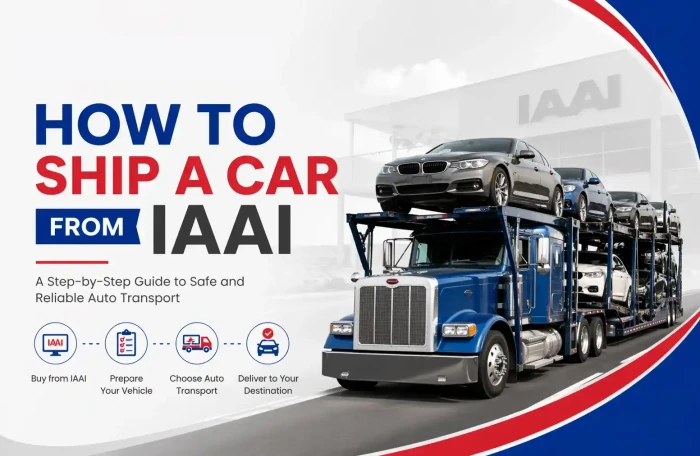



Winning a bid on an Insurance Auto Auctions, Inc. (IAAI) salvage vehicle is just the first step. Moving the car quickly and correctly determines whether you make a profit or face unexpected costs.
Many buyers think moving a car from an auction is simple, but it is actually quite different from standard shipping. IAAI yards have strict rules. Missing a document or arriving at the wrong time leads to immediate fines. You must follow a specific sequence of steps regarding payment, paperwork, and equipment to get your vehicle out safely.
Settle the Account for Your IAAI Car Shipping Release
As soon as you win the bid, the buyer becomes responsible for any loss or damage. If the car is damaged in the yard shortly after the auction, the auction will not pay for it. Because of this, you should pay via wire transfer or the internal system as fast as possible.
In addition to the car's price, you must pay standard fees before you can take it. These include a $95 service fee, a $15 environmental fee, and a $20 title fee. A shipping company cannot pick up the car until the system shows it is "released." Business buyers must also make sure their licenses are up to date.
Individual buyers face extra limits. For example, states like Texas and Tennessee allow individuals to buy only five salvage cars per year. Because of these rules, many people use a licensed broker to handle the paperwork before hiring a transporter.

Generate the IAA Gate Pass and PIN for Auto Transport
You cannot just send a tow truck with a receipt. The yard requires a specific Gate Pass, which is only available once the car is fully paid and the title is verified.
Most vehicles are assigned a Vehicle Pickup PIN. The driver must have this PIN to get through the gate. Many drivers are turned away because the buyer forgot to provide the pass or PIN. Professional carriers use the IAA Tow App to schedule pickups and check in early, which makes the process much faster.
Secure the Proper Equipment for Salvage Car Transport
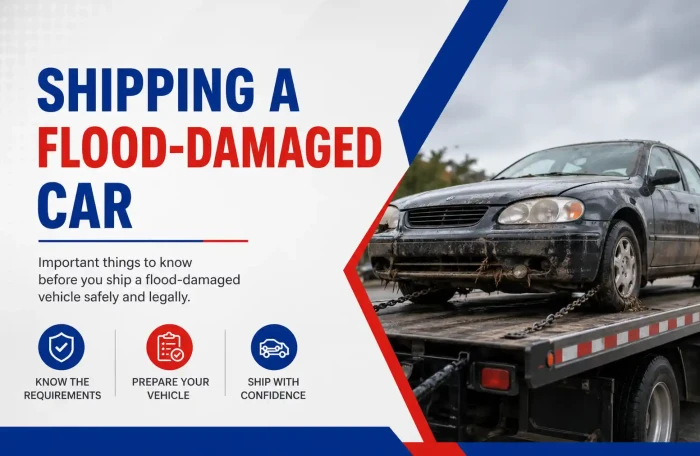
The condition of the car determines what kind of truck you need. Standard open trailers work for cars that can "run and drive." If the car doesn't run, the transporter must have a winch to pull the car onto the truck.
Do not rely on auction yard forklifts to load your car, as they can cause more damage and the staff will not help secure the load. Also, IAAI operators will not lift anything over 11,000 pounds. For very heavy or badly damaged cars, you will need a heavy-duty flatbed trailer.
Calculate IAA Transport Costs and Route Variables
Shipping costs vary. Usually, the more miles you ship the car, the less you pay per mile.
Several things can change the price. If the car doesn't run, expect to pay $150 to $300 more. Larger vehicles like SUVs or trucks can increase the price by 25% to 40% because they take up more room and use more fuel.
Timing matters too. In late autumn and winter, prices can rise by 15% to 25% because many drivers are busy on specific routes. On the other hand, shipping between big cities is often cheaper because drivers can easily find another load for their return trip.

Navigate IAAI Storage Fees and Yard Hours
IAAI yards charge storage fees to keep the lot clear. Once the free period ends, you will typically be charged $50 per day until the car is picked up.
Check the yard's hours carefully. Many loading zones close earlier than the office. If a driver arrives too late, you will have to pay for another day of storage plus a "dry run" fee. A dry run fee happens when a driver shows up but can't pick up the car. This fee is $150 for shorter trips and $250 for long distances.
Finalize the Bill of Lading at the Auction Gate
The Bill of Lading (BOL) is the official document that shows the car's condition when it was picked up. While carriers must have liability insurance, they should also have between $100,000 and $250,000 in cargo insurance to cover the value of the car itself.
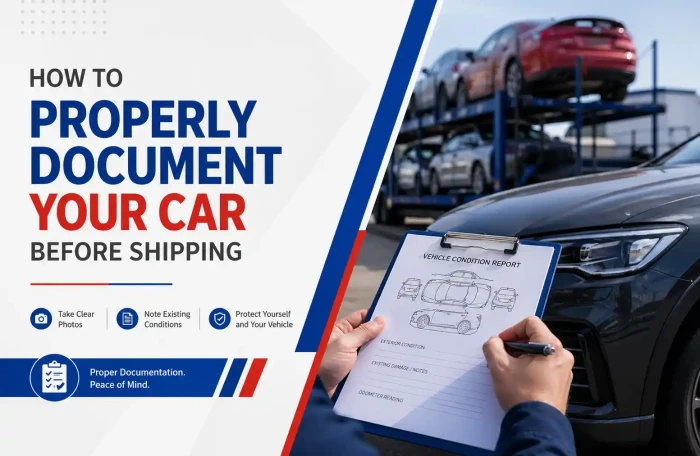
Since auction cars are already damaged, the driver must take photos and note all existing damage on the BOL. This is very important. Without these photos, you won't be able to prove if the driver caused new damage during the trip. Make sure the driver completes this inspection before leaving the auction yard.
The Margin Between Profit and Loss in Auction Auto Transport
To make money on a salvage car, you must handle the shipping perfectly. Delays in payment or missing paperwork can quickly cost you more than you saved at the auction. By planning ahead and using the right equipment, you can protect your investment and get your car delivered safely.
Arrange Your IAAI Auto Transport
Once your vehicle is paid and released, the storage clock starts ticking. AmeriFreight Auto Transport specializes in navigating the strict requirements of salvage yards to get your asset moving. We provide standard open and enclosed car shipping with Door-to-Door Service (Location Permitting). You provide no upfront payment until you choose a carrier. Contact us today to secure a transporter for your auction vehicle.
Get Your Instant Shipping Quote with AmeriFreight.