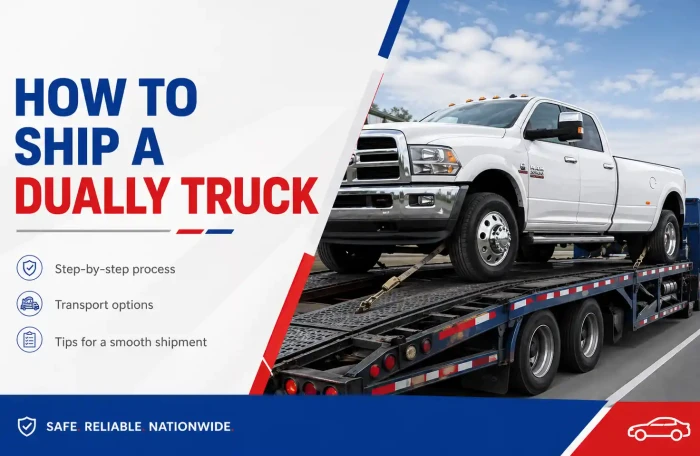


Shipping a dually truck starts with matching the truck’s size and weight to the right type of carrier, then confirming the route can handle its width, and finally preparing the vehicle so it can be loaded safely without damage. That sounds simple until you realize a dually is often wider, heavier, and harder to place than most vehicles on the road.
A standard pickup can usually fit wherever space is available on a trailer. A dually rarely can. That one difference drives almost every decision that follows.
Why Dually Trucks Cost More To Ship
Most dually trucks sit between 80 and 96 inches wide, which pushes close to the legal limit of 102 inches.
That tight margin limits where the truck can sit on a trailer. In many cases, it takes up the space of two smaller vehicles. Carriers price around that lost capacity, not just the distance.
Weight adds another layer. Many dually trucks fall between 7,000 and 9,000 pounds.
Once a vehicle crosses into that range, surcharges begin to stack. A dually shipment can cost 40 to 60 percent more than a standard vehicle moving the same route.

Short trips can feel especially expensive. Under 500 miles, rates can rise sharply because the effort to load and route the truck does not shrink with distance.
Picking the Right Transport Method Matters More Than Price
Open carriers handle most shipments, and many dually trucks still move this way. The catch is placement. The truck often needs to sit on the lower deck or at the edge to stay within width limits.
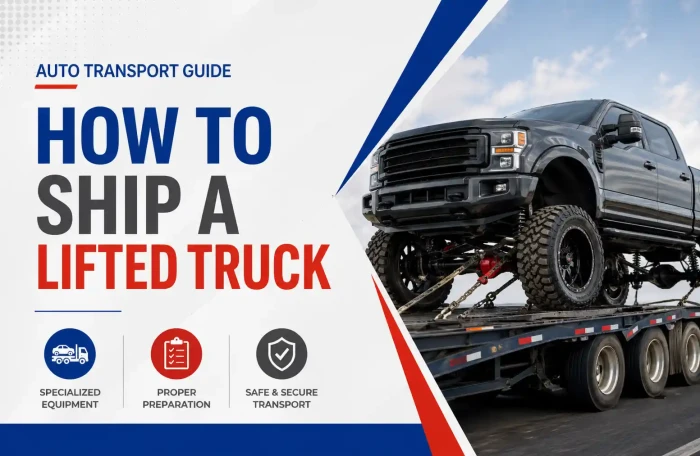
If your truck is modified, the options narrow fast. Lift kits, oversized tires, or wide fenders can push it beyond standard carrier limits. At that point, a flatbed, step-deck, or removable gooseneck trailer becomes necessary.
These trailers cost more, but they reduce loading risk and prevent damage that would cost far more to fix.
Enclosed transport is another option. It shields the truck from road debris and weather, but pricing often increases by 30 to 65 percent compared to open transport.

The Loading Risk Most Owners Overlook
Long dually trucks have a poor breakover angle. When loading onto steep ramps, the center of the truck can hit the highest point before the wheels clear it.
That is called high centering. It can damage the frame or undercarriage before the truck even leaves the pickup location.
Carriers who move these trucks regularly use longer ramps or low-deck trailers to reduce that risk. Not every carrier is equipped to do that, which is why equipment choice matters more than speed.
Route Restrictions Can Quietly Affect Your Shipment
A stock dually usually fits within legal limits, but small changes can push it over. Wide aftermarket fenders or mirrors can require special permits depending on the state.
Permits affect routing and timing. Some roads or bridges may not be available, which can add distance and cost.
This is one reason timing estimates vary. The route is not always as direct as it looks on a map.

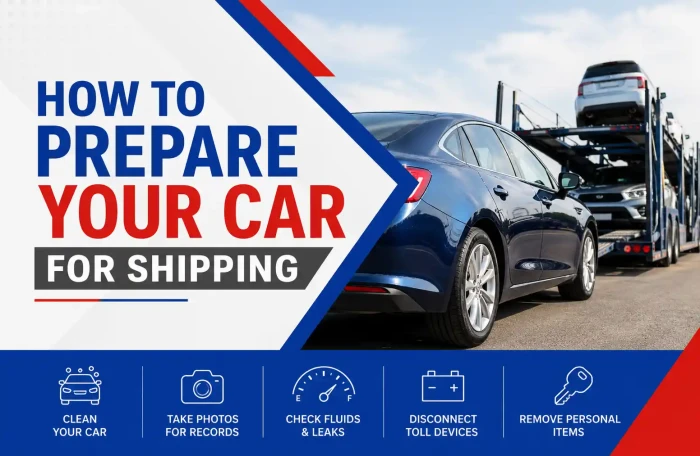
Preparing Your Truck Before Pickup
Preparation is where many avoidable issues start.
Keep fuel at about a quarter tank. That reduces weight and keeps the truck within safe transport limits.
Fold in mirrors and remove anything that adds width or height. Even small extensions can create loading problems.
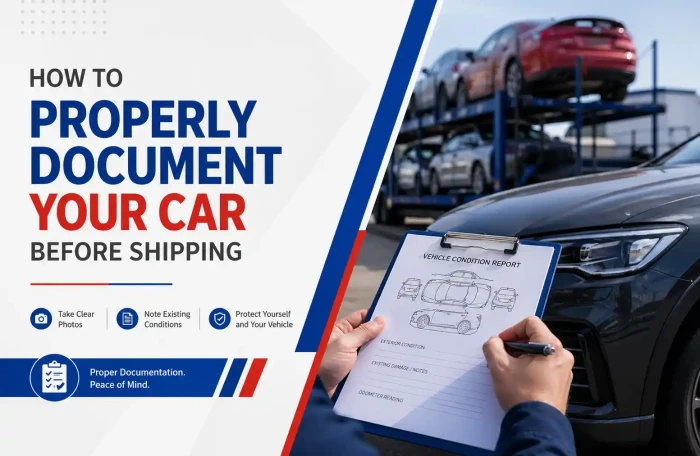
Clean the truck and document any existing damage during inspection. The Bill of Lading becomes the reference point if anything changes during transit.
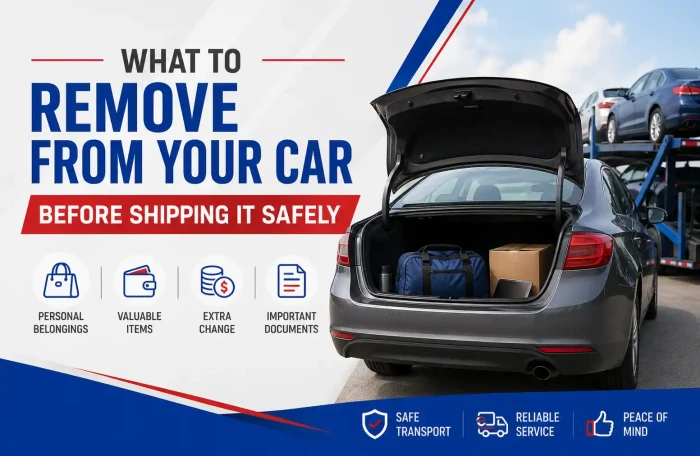
Personal items are not allowed under DOT rules. If a carrier allows limited items, it usually comes with added cost and must be approved first.

What Changes When Working With AmeriFreight Auto Transport
AmeriFreight Auto Transport connects your shipment with carriers that can handle the size and weight of a dually truck.
No upfront payment until you choose a carrier. That gives you time to review your options before committing.
Door-to-Door Service (Location Permitting) is available, though large trucks may require a nearby meeting point if streets cannot support carrier access.
Customer service agents help set realistic expectations for pickup and delivery windows based on route demand and available equipment.
What People Usually Wonder About Shipping a Dually Truck
Why does my truck limit my options so much?
Because width and weight reduce how carriers can load their trailers, not just how far they travel.
Can I treat this like shipping a normal pickup?
Only if the truck is completely stock and within standard dimensions. Even then, placement is limited.
Is a lower quote a better deal?
Not always. It may mean the carrier has not accounted for the truck’s true size or weight yet.
Will modifications really matter that much?
Yes. Small changes can push the truck into a different transport category entirely.
Disclaimer
Shipping a dually truck depends on size, weight, route, and carrier availability. Rates, timing, and equipment needs can change based on market conditions and vehicle specifications. AmeriFreight Auto Transport provides estimates, not exact quotes. Terms, carrier policies, and route limits may affect final arrangements.