


Figuring out how to prepare your car for shipping comes down to protecting yourself against unexpected costs and delays. The North American door-to-door auto transport market is expanding to a valuation of more than $1.096 billion by 2032. You are entering a massive commercial system currently facing a shortage of roughly 60,000 drivers. When you hand your keys to a professional, you want to know the car will arrive in the exact condition you left it. Cargo insurance is required by federal law, but it does not cover everything. Weather events, "Acts of God," stolen personal items, and damage to the inside of your car are usually excluded.
The transportation sector is dealing with soaring commercial auto liability rates, which jumped 12.2 percent in the first half of 2024 alone. Physical damage coverage climbed 14.9 percent in that same window. With average injury claim payouts hitting $27,373, carriers are strictly enforcing liability boundaries. Preparation is your primary financial defense.
The Functional Reason for a Clean Car
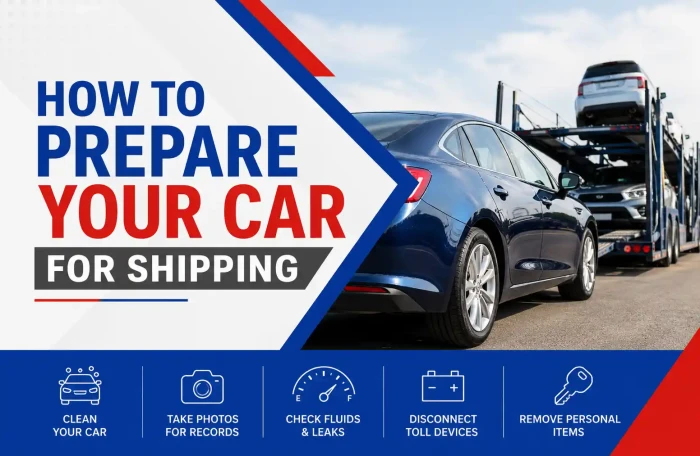
Most people think washing a car before transport is just about making it look good. A spotless exterior actually protects your wallet. Drivers need the surface to be completely free of dirt and mud so they can spot any existing scratches or dents during the first inspection. If the car is dirty, a driver might miss damage and blame it on road grime later.
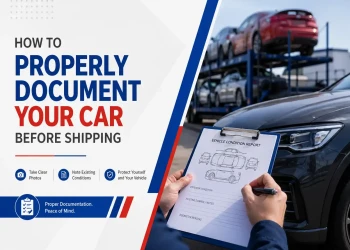
You also need to remove biological debris like bird droppings and tar. These materials can cause severe paint etching during prolonged UV exposure on an open trailer. Vacuuming the interior is equally important to prevent the transport of invasive soil-borne pests, which is a strict requirement for agricultural compliance during interstate moves. Wash the vehicle thoroughly and capture clear photographs from all angles. Include close shots of the roof, wheels, and areas under the bumper. This visual record is your main proof if you need to file a damage claim.
Managing Weight and Fuel Levels
Many owners assume leaving a full tank of gas is a helpful gesture. Industry standards actually require the fuel tank to sit at exactly one-quarter full. A full tank adds roughly 100 to 150 pounds to a standard SUV. That extra weight multiplies quickly on a large trailer and can push a truck past federal weight limits. Keeping gas levels low also reduces fire hazards and prevents fuel spills during "nose-down" loading on tilted ramps.
Electric vehicles carry heavy lithium-ion batteries that fundamentally change how many cars a single truck can transport. A trailer built to hold ten standard sedans might only safely carry seven or eight electric vehicles. Owners must verify their electric vehicle has a battery charge between 25 and 30 percent.
Classic Cars and Transport Types
Open transport accounts for more than 90 percent of the market. Enclosed transport comes with a premium of 30 percent to 60 percent but offers critical safeguards for vintage models. High-quality enclosed carriers use drip guards to prevent fluids from an upper-deck car from damaging the paint of a vehicle below.
If you are shipping a classic car with electrical draws, use a fresh battery or show the driver exactly where the battery cut-off switch is located. Vintage cars often have idiosyncratic starting procedures. Secure a laminated instruction card to the steering wheel to guide the driver through specific choke settings or oiling cycles.
Clearing the Cabin and Removing Tags
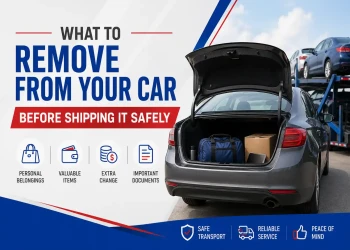
You might assume you can pack a few boxes in the trunk since the car is traveling anyway. Transportation regulations strictly prohibit drivers from moving personal items inside a vehicle. Moving companies handle household goods, but auto transporters specialize only in vehicles.
Removing toll tags is another critical step. If left on the windshield, electronic toll devices scan at every checkpoint along the route, leaving you with hundreds of dollars in incorrect charges. Remove loose interior accessories like custom sun visors, unsecured floor mats, and air fresheners. Exterior items like aftermarket bike racks must also be detached so they do not catch on the trailer structure.
Mechanical Checks and Logistical Economics
Your car must run properly unless you specifically booked it as an inoperable unit. Shipping a car that cannot run requires a winch and costs a premium fee. Make sure the battery is fully charged and the terminals are clean. A dead battery causes major delays during loading and can lead to extra repositioning fees or a canceled shipment.
Check that your tires are inflated to the manufacturer recommended pressure. Tires that lose pressure in cold climates or during cross-country trips can cause the car to shift, potentially rubbing against the trailer structure.
Understanding trip economics helps set realistic expectations. Carriers average a transit speed of 400 to 500 miles per day. While the average price per mile dropped recently to $1.05 due to declining diesel costs, the average shipment distance spiked to 920 miles.
The Final Handoff
The Bill of Lading is your primary receipt and the definitive contract of carriage. Under federal regulation 49 CFR 375.505, this document must contain seventeen mandatory items and be issued before the carrier receives the shipment. You must verify the carrier has a seven-digit USDOT number and a six-digit MC Docket number to operate legally.
You and the driver will conduct a joint walk-around inspection to document existing imperfections. Failing to record damage at pickup or delivery can nullify future claims. Have a valid government ID and your vehicle registration ready for the driver. Give them a complete set of keys and write down the exact mileage before they leave. A minor increase of one to two miles is normal for terminal loading and unloading. Any large difference should be written on the Bill of Lading at delivery. If your plans change, cancellation without charge can only occur if the vehicle has not been dispatched.