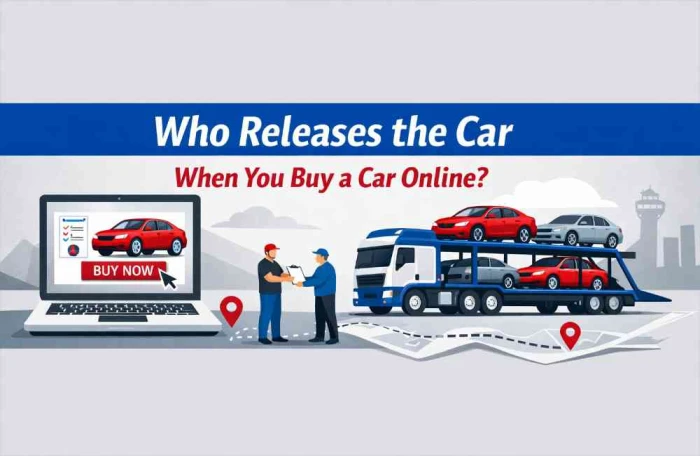


The person or business that currently possesses the vehicle releases it to the transport carrier. In most cases, this is the selling dealer, the private seller, or a representative authorized to hand the vehicle over once payment and paperwork are complete.
Online car buying has grown quickly. The global market was valued at about $357 billion in 2024 and is projected to reach roughly $795 billion by 2033. That equals a 9.3 percent compound annual growth rate. Despite this growth, the final step still raises a practical question. Once payment and paperwork are finished, someone still has to physically release the vehicle.
The exact person responsible depends on how the vehicle was sold. Ownership transfer, vehicle release, and delivery logistics may involve different parties in a digital transaction. This article explains who typically releases the car and how the pickup process works when a transport carrier arrives.

The Moment a Vehicle Is Legally Released
A vehicle release involves two distinct events. The legal release occurs when ownership documents and title transfer procedures are finalized. The physical release occurs when the vehicle itself changes hands. This separation exists for regulatory reasons. A car cannot be legally driven until the ownership record is transferred from the seller to the buyer.
Electronic title systems have accelerated this process in many states. Some states allow digital ownership transfers through eTitle systems. In Arizona, for example, a buyer receives a temporary electronic code that remains valid for 48 hours to complete the transfer.
Florida uses a similar digital title framework. Owners can convert an electronic title into a paper version for a $2.50 fee when needed. These systems allow a vehicle to be legally released even when the buyer and seller never meet in person.

The Delivery Specialist Who Handles the Final Handoff
In direct-to-consumer auto sales, the person releasing the car is often a delivery specialist. This role replaced the traditional dealership salesperson in many digital automotive marketplaces. The specialist confirms the buyer’s identity, reviews insurance documentation, and ensures all required signatures are complete before handing over the vehicle.
The appointment often includes a short walkthrough of the vehicle’s features. This step reduces confusion once the buyer drives away. The position exists primarily to manage logistics, not sales. The specialist ensures that both administrative requirements and physical delivery are completed properly.
When the Transport Driver Receives the Vehicle First
If the vehicle must travel long distances, the seller releases it to a transport driver before it reaches the buyer. In this situation, the driver becomes the temporary custodian during transit. That custody transfer is documented in the Bill of Lading (BOL).
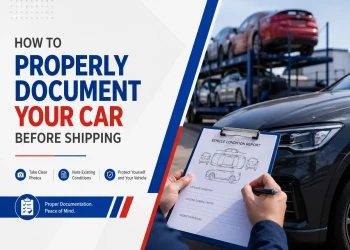
The BOL serves several purposes at once. It documents the vehicle’s condition before shipping, records the carrier’s responsibility during transport, and confirms delivery upon the buyer's signature upon arrival.
Buyers sometimes overlook this inspection step. That signature is important. Once the final delivery inspection is completed, the document confirms that the vehicle arrived in the recorded condition.

The Paperwork That Makes Remote Purchases Possible
Remote car purchases rely heavily on administrative tools that allow documents to be processed from a distance. A Limited Power of Attorney is frequently used in online transactions. This document authorizes a dealership or title service to complete registration and title work on behalf of the buyer.
Remote Online Notarization has also become more common. Buyers can verify their identity through a secure video session and sign the required documents digitally. This method removes the need for in-person notarization while still meeting legal standards.
Together, these systems enable vehicle custody transfer even when the buyer, seller, and transporter are located in different states.
The Inspection That Finalizes the Vehicle Release
Delivery day includes one final step. The buyer inspects the vehicle before accepting it. If the vehicle was transported, the Bill of Lading becomes the reference document for this inspection. Buyers compare the vehicle’s current condition with the condition recorded at pickup.
This inspection confirms three things. The vehicle matches the listing. No new damage occurred during shipping. The buyer accepts the vehicle in its delivered condition. Many buyers rush through this moment. It is the only time the vehicle can be inspected before final acceptance.
Why Online Car Buying Still Includes Human Handoffs
Digital car retail continues to grow, yet most purchases still include some human involvement at the end of the process. Research shows that 83 percent of consumers prefer completing more of the buying process from home, but 86 percent still want to see the vehicle in person before finalizing a purchase.
Only about seven percent of buyers report completing the entire purchase online without any in-person interaction. The overall car-buying journey still averages about 13 hours and 40 minutes of research and decision-making.
These numbers explain why delivery specialists and transport drivers remain central to the vehicle release process.
The Logistics Network Behind Online Car Delivery
The supply chain supporting digital car retail is extensive. Vehicles often move through inspection and reconditioning centers before appearing in online listings. These facilities prepare vehicles for sale by inspecting, repairing, and photographing them for digital marketplaces.
After preparation, vehicles move through regional logistics networks before reaching local delivery hubs. Some companies have redesigned these networks to improve delivery performance. These logistics improvements support the growing scale of online automotive marketplaces.
Where AmeriFreight Auto Transport Fits in This Process
Once a vehicle is purchased online, someone still has to move it from the seller’s location to the buyer. That stage of the process often requires a specialized vehicle transport company. AmeriFreight Auto Transport focuses on coordinating that shipment.
The company has more than 20 years of experience connecting customers with licensed, vetted auto carriers that physically transport vehicles. This role matters because vehicle shipping involves more than simply assigning a truck. Carriers must be properly licensed, insured in accordance with federal requirements, and experienced in vehicle handling procedures.
Disclaimer
Information provided is for educational purposes only and may vary by seller, state regulations, and transaction structure. AmeriFreight Auto Transport coordinates vehicle shipping with licensed carriers and does not sell vehicles, transfer ownership, or handle dealership sales transactions.