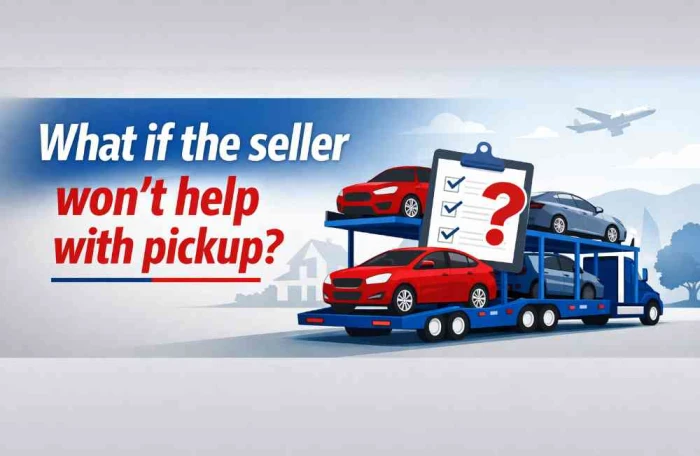


If a seller will not help coordinate the vehicle pickup, clear communication, written pickup instructions, and coordination with the transport carrier often resolve the issue. In some cases, the buyer may need to arrange an alternate contact at the pickup location or schedule a different handoff method that satisfies the seller’s concerns.
Online car buying has moved from a niche activity to a common way people purchase vehicles across the country. In 2024, the global online car-buying market was valued at roughly $357 billion. Analysts expect it to grow to about $795 billion by 2033, expanding at a 9.3 percent annual rate.
The industry surrounding it is even larger. The U.S. automotive sector contributed about $1.49 trillion to the economy in 2024, representing 5.40 percent of GDP. That same year, 15.79 million new vehicles were sold nationwide.
Even with the growth of digital vehicle sales, problems can arise when the seller hesitates to work with the carrier, refuses to coordinate pickup, or insists on a face-to-face handoff. This article explains why these situations occur and outlines practical steps buyers can take to advance the transport process.

The Overlooked Step in Remote Vehicle Acquisition
Most digital marketplaces handle payments, listings, and marketplace buyer protection systems. The logistical step often referred to as “last-yard friction” occurs when the seller must release the vehicle to a third-party transporter. If the seller refuses access or delays the pickup, the shipping process stops.
Many buyers assume the transaction is finished when the payment clears. In reality, the shipment only begins after the vehicle physically leaves the seller’s location.
Carriers operate on route-based schedules. A truck may load several vehicles across multiple cities on a single trip. When one pickup fails, the driver usually continues the route rather than waiting. That is why seller cooperation matters.

Why Sellers Sometimes Resist Carrier Pickup
Seller non-cooperation rarely starts as intentional obstruction. Most situations come from misunderstandings. Some sellers believe a listing marked “local pickup” means the buyer must appear in person. Others are uneasy about releasing a vehicle to someone they do not know.
Scheduling also causes tension. Carriers typically provide pickup windows instead of exact appointment times. A seller expecting a precise schedule may refuse to wait through that flexible window.
Some also worry about liability or proof of delivery. They want confirmation that the vehicle was officially transferred before releasing it. Having clear documentation resolves most of these concerns.
The Documents That Control the Handoff
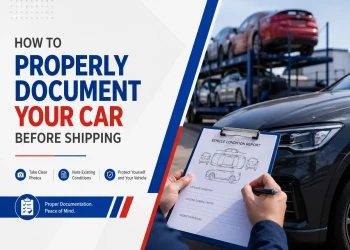
The most important shipping document is the Bill of Lading (BOL). It serves as both a receipt and a condition report for the vehicle.
When the driver arrives, they inspect the vehicle and record any existing scratches, dents, or damage on the BOL. The seller signs the document to confirm the vehicle’s condition before transport begins. That signature allows the carrier to legally move the vehicle.
The BOL also protects the buyer by documenting the car’s condition at the time of pickup. If damage occurs during shipping, the inspection record becomes the reference point for resolving the claim.

Concerns That Often Go Unspoken During Online Car Purchases
A common concern during online car purchases arises when a private seller refuses to help with shipping after payment clears. The response usually involves documentation and escalation to the platform. Marketplace policies, payment records, and written agreements determine what legal recourse exists if a seller refuses to release the vehicle or withholds the title.
Another frequent misunderstanding involves attendance at pickup. It is easy to assume the buyer must appear in person to complete the handoff. In most situations, the seller simply signs the Bill of Lading and releases the vehicle to the transporter.
Vehicle use before pickup can also raise concerns. The possibility that the seller might continue driving the car after the sale sometimes causes hesitation. The inspection recorded on the BOL establishes the vehicle’s condition at the moment the carrier takes possession.
These small procedural details often determine whether remote purchases proceed smoothly.
Open vs. Enclosed Car Shipping and Cost Expectations
Once the seller agrees to release the vehicle and pickup logistics are resolved, the next practical decision involves how the vehicle will be transported.
Open transport remains the most common method used across the auto shipping industry. Large two-level trailers typically carry seven to ten vehicles at a time, helping distribute operating costs across multiple shipments and keeping prices lower for individual customers.
Enclosed transport works differently. Vehicles are placed inside a covered trailer that shields them from weather, road debris, and dust during transit. This option is usually chosen for collector cars, luxury vehicles, or cars with extremely low ground clearance. Enclosed transport generally costs about 40 to 60 percent more than open shipping.
Documentation That Finalizes Ownership
Paperwork is another step that can slow remote vehicle purchases, especially when the buyer and seller are in different states. Even after the seller releases the vehicle to the carrier, ownership must still be officially transferred.
Some states now allow electronic title systems that simplify this process. Arizona, for example, offers an eTitle system that allows ownership to be transferred digitally once both parties have verified their identities.
Many states still rely on physical paperwork. California requires sellers to file a Notice of Transfer and Release of Liability (NRL) after completing a sale. This document notifies the state of the change in ownership and helps protect the seller from liability once the vehicle leaves their possession.
Understanding these guidelines helps set realistic expectations after the vehicle has been picked up and the ownership transfer process begins.

Shipping Coordination With AmeriFreight Auto Transport
AmeriFreight Auto Transport helps coordinate shipments by connecting customers with licensed carriers operating along established routes. The company assists with open or enclosed transport depending on the vehicle type and shipping needs.
Shipments usually operate under Door-to-Door Service (Location Permitting), meaning the carrier picks up and delivers the vehicle as close to the address as safely possible. Customer service agents handle communication with carriers and help coordinate pickup with the seller when access is available.
Disclaimer
This article is provided for informational purposes only and does not constitute legal, financial, or transportation advice. Policies, regulations, and marketplace rules may vary by platform and state. Always review the terms of the marketplace where the vehicle was purchased and confirm transport arrangements directly with the seller and carrier.