

It comes down to space on a trailer, distance on the road, the physical realities of your vehicle, and current market demand. A car shipping quote is not a flat retail tag. It is a real-time calculation based on equipment, fuel, labor, route efficiency, and how easily your vehicle fits into an existing load.
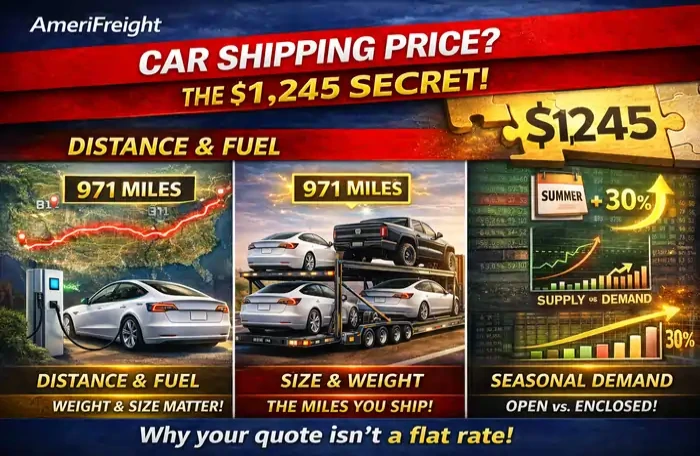
The U.S. auto shipping market is projected to exceed $10.5 billion by 2025, and the national average cost to ship a vehicle is about $1,245, with a median distance of 971 miles. That average only makes sense once you understand what shapes it.
Distance Changes the Math, Not Just the Total
Distance is the largest factor in car shipping cost. Still, the price per mile drops as the distance increases.
Short shipments under 500 miles often carry a higher per-mile rate than cross-country moves. Fixed costs such as dispatching, loading, securing the vehicle, insurance, and paperwork exist no matter how far the truck travels. When those costs are spread across fewer miles, the rate per mile rises.

Longer trips allow carriers to stay on highways longer, optimize fuel use, and secure backhaul loads. A carrier already heading from Dallas to Chicago may accept a competitive rate to avoid running empty.
If you are deciding between driving a shorter route yourself or shipping a longer one, total cost matters more than per-mile math.
Location Is About Access and Volume
Major metro routes tend to price more competitively. High-volume corridors move vehicles daily. Carriers can fill trailers faster and plan efficient return trips.
Rural areas create a different equation. If a driver must travel empty miles to reach your pickup location, that cost becomes part of the quote. In some cases, meeting the carrier in a nearby city reduces the total price.
Door-to-Door Service (Location Permitting) means the driver will get as close as legally and safely possible. Narrow streets, low trees, weight restrictions, or tight turns can prevent an 80-foot carrier from reaching a specific address.
If maximum convenience matters, expect the routing plan to reflect that priority.
Vehicle Size, Weight, and Modifications
Every trailer has limited weight and space. Federal gross vehicle weight limits cap a fully loaded tractor-trailer at about 80,000 pounds.
Compact sedans form the baseline. Full-size SUVs, heavy-duty trucks, and electric vehicles weigh more and take up more space. That reduces how many vehicles a carrier can legally load on a single trip.

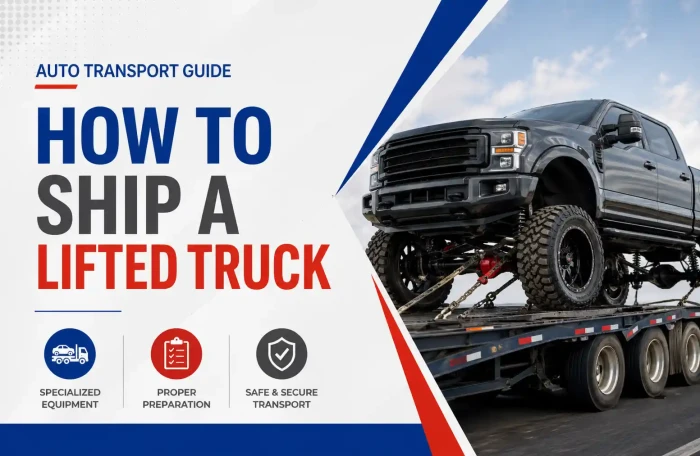
Modifications add complexity. Very low ground clearance may require special ramps. Lifted trucks may not fit on standard double-deck trailers. Extra labor time and specialized equipment increase cost.
Many pricing surprises trace back to vehicle details that were not disclosed upfront.
Open vs. Enclosed Is a Risk Calculation
Open transport is the most common option and generally the most cost-effective. Vehicles are exposed to weather and road conditions, though serious damage rates remain low.
Enclosed transport typically costs 30 percent to 60 percent more. That premium reflects lower vehicle counts per trailer, higher cargo coverage limits, and more specialized handling.
For vehicles valued above $60,000, the risk of diminished resale value from even minor recorded damage often makes enclosed transport the financially safer choice.
The real decision is not open versus enclosed. It is whether the savings outweigh the potential long-term impact on value.
Seasonality and Timing Pressure
Car shipping rates move with demand. Summer relocation months can run 15 percent to 30 percent higher than slower periods.
The snowbird cycle also shifts pricing. Southbound routes in the fall and northbound routes in the spring fill quickly. The reverse direction may be priced more competitively.
Expedited shipping can increase total cost by 40 percent to 60 percent. It prioritizes faster pickup within tighter windows. It does not promise a specific pickup or delivery date.
If your schedule is flexible, that flexibility can help stabilize pricing. If your move date is fixed, that constraint becomes part of the quote.
Inoperable Vehicles Require More Equipment
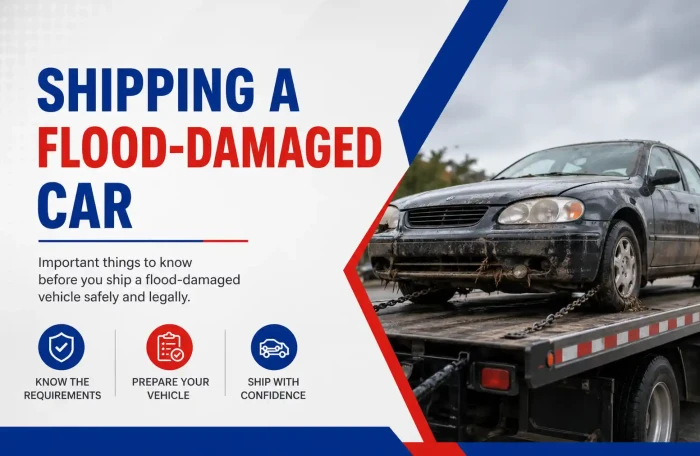
A vehicle that does not start, steer, or roll cannot simply be driven onto a trailer. It requires a winch or other equipment. Only about one-third of open carriers are equipped with a winch, while most enclosed carriers carry one.
Vehicles that can roll and steer but do not start typically incur a surcharge between $150 and $350. More severe mechanical issues increase labor time and cost.
If a car is inoperable, that must be disclosed early. Otherwise, pickup delays are likely.
Brokers, Carriers, and Market Reality
Most customers work with brokers who connect shipments to carriers through national load boards. The market functions like an auction. If the rate is set below what carriers are currently accepting for that route, the vehicle will not move.
That is why exact quotes cannot be locked in so far in advance. Fuel costs, capacity, route demand, and seasonal shifts all affect pricing in real time.
With AmeriFreight Auto Transport, there is no upfront payment until you choose a carrier. Pricing reflects current market conditions.
Insurance and Documentation
Every shipment is documented on a Bill of Lading, signed at pickup and delivery. It records vehicle conditions and serves as the official transport document.
Carriers are required to carry liability and cargo coverage. Cargo limits apply to the entire trailer load, not each individual vehicle. That distinction matters for higher-value cars.
AmeriFreight Auto Transport does not offer insurance. Optional AFTA gap protection plans are available for customers.
Proper inspection and documentation at delivery are essential if a claim is needed.
The Real Answer
So what actually goes into a car shipping price?
Trailer space. Distance. Route density. Vehicle size and weight. Equipment requirements. Seasonal demand. Market capacity.
At AmeriFreight Auto Transport, our customer service agents walk you through those factors so you understand what is driving your quote and why. There is no upfront payment until you choose a carrier.
If you are ready for a rate that reflects real market conditions, not guesswork, request your personalized quote today and make a decision with clarity.
Disclaimer
Pricing examples reflect market conditions at the time of writing and are not binding quotes. Actual car shipping costs vary based on distance, vehicle size, route demand, seasonality, and carrier availability. Final pricing is confirmed only after a carrier accepts the shipment and transport details are verified.