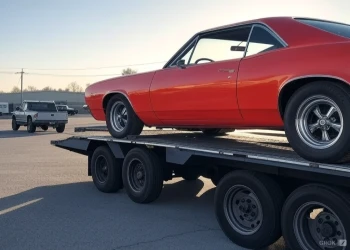


Open auto transport moves the vast majority of vehicles in the United States, accounting for roughly 90 percent of all shipments, which reflects how efficiently the system handles large volumes across long distances.
That scale depends on how these trailers are built and used. Most open carriers are multi-level systems designed to move eight to ten vehicles at once, which spreads cost across multiple shipments instead of tying it to a single vehicle.

Oversight comes from federal regulators, primarily the FMCSA, which sets rules around safety, insurance, and driver work limits. These requirements shape how carriers operate day to day and keep the system consistent across state lines.
Why Open Transport Remains The Default Choice
Open transport holds its position because it balances cost, availability, and practicality without overcomplicating the process.
Carriers rely on volume to stay profitable. Operating a truck now averages more than $2 per mile, and margins remain tight, so moving several vehicles at once is not just efficient, it is necessary.
This model also supports widespread availability. Open carriers dominate the market, which makes routes easier to schedule and adjust when needed. For vehicles that will be used regularly, there is little reason to pay for more protection than required.
How Vehicles Are Loaded And Secured
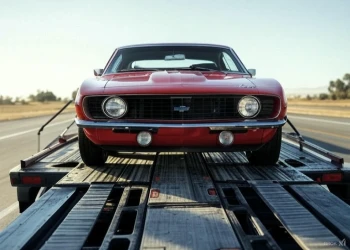
Loading an open carrier involves controlled mechanical movement rather than guesswork.
Hydraulic systems raise and position each section of the trailer, allowing drivers to place vehicles across two levels without risking undercarriage damage. These systems operate under high pressure and are designed for precision, even with low-clearance vehicles.
Once positioned, each vehicle is secured using tie-down systems that meet federal standards. Regulations require at least two securement points for lighter vehicles and four for heavier ones, though most carriers use four-point soft straps across the board to reduce movement and avoid stress on the suspension.
What Happens At Pickup And Delivery
The condition of the vehicle is documented before it ever leaves the pickup location.
Drivers and customers complete a joint inspection and record any existing damage on the Bill of Lading, which serves as the official condition report. The same document is used again at delivery, and any new damage must be noted before signing.
This step matters more than most people expect. Once the Bill of Lading is signed without notes, it becomes difficult to file a claim later. Damage itself is rare, typically reported in well under 1 percent of shipments, but the documentation process determines whether responsibility can be proven.

What Actually Drives Shipping Costs
Shipping costs reflect how difficult it is to move your vehicle through an active freight network.
Distance increases fuel use, driver hours, and exposure to delays. Fuel prices shift frequently and feed directly into carrier operating costs. Vehicle size and weight affect how many cars fit on a trailer, which changes the cost per unit.
Timing also plays a role. Tighter schedules require more coordination, especially in high-demand lanes where carriers are already managing multiple stops along a route.
Optional upgrades such as top-load placement can increase cost slightly, though they reduce exposure to debris from other vehicles on the trailer.
Exposure Is The Tradeoff
Open transport does leave vehicles exposed to the environment, and that tradeoff is part of why the price stays lower.
Weather, dust, and road debris can reach the vehicle during transit. Most vehicles arrive with only minor surface dirt, though conditions can vary depending on the route.
Position on the trailer matters. Vehicles placed on the upper deck avoid fluid leaks from cars above them, which is why some customers request that placement when available.
When Enclosed Transport Makes More Sense
Enclosed transport removes exposure entirely by placing the vehicle inside a covered trailer.
Capacity is lower, often limited to one to seven vehicles, which raises the cost per shipment. That difference comes from the same economics that make open transport efficient; fewer vehicles mean higher cost per unit.
This option fits situations where condition matters more than cost, such as classic vehicles, luxury models, or cars with very low ground clearance.
Transit Time Follows Real-World Constraints
Shipping timelines depend on how freight actually moves across the country.
Drivers operate under Hours of Service rules, which limit driving time and require scheduled rest periods to reduce fatigue and improve safety.
Under normal conditions, open carriers average around 500 miles per day, though actual timelines depend on route complexity, traffic, and delivery sequencing.
Congestion continues to affect delivery speed. Delays across major highways cost the trucking industry more than $108 billion each year and reduce efficiency across key freight corridors. Planning ahead gives carriers more flexibility to align your shipment with efficient routing rather than forcing adjustments at the last minute.
Where AmeriFreight Auto Transport Fits In
AmeriFreight Auto Transport coordinates shipments through a network of vetted carriers that meet federal safety and insurance standards.
They offer open and enclosed options for your needs. If you want to move a vehicle, AmeriFreight Auto Transport can help you choose an option that fits your timing, budget, and level of protection.