

When it comes to shipping your car, choosing the right type of trailer makes all the difference in safety, cost, and convenience. Whether you’re relocating, selling your vehicle, or sending a car across the country, knowing the types of trailers available helps you make the best decision for your needs.
In this guide, we will break down every major trailer type used in the car shipping industry, including open, enclosed, and specialized options.
What You’ll Learn
In this article, we will answer some of the most common questions:
What are the types of auto carriers and their uses?
What is the difference between an open and an enclosed carrier?
How to decide which automobile transport trailers best fit your needs?
Overview
How Car Transporting Trailers Work
A car shipping trailer is a specialized carrier used to transport vehicles across cities or states. Choosing the right one depends on your car’s value, condition, size, and the level of protection you want during transport.
Open Car Transport Trailers
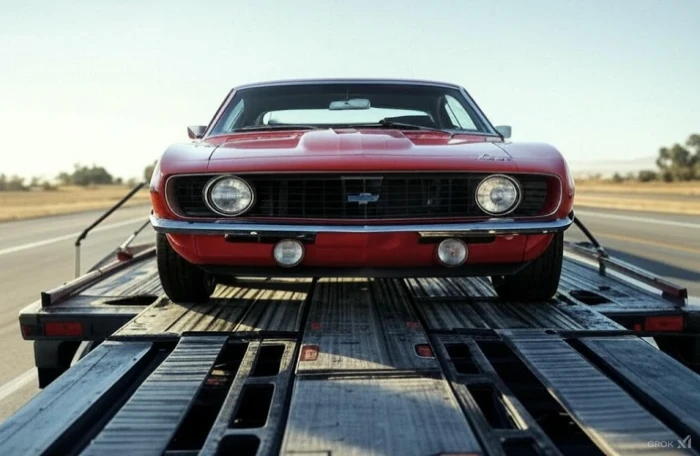
If you’ve ever seen a big, multi-level truck hauling several cars down the highway, that’s an open car transport trailer. These uncovered trailers carry most of the vehicles shipped across the U.S. every day.
While cars on open carriers are exposed to the weather and road debris, this method remains the most popular and affordable way to ship a standard vehicle. Because they can haul more cars per trip, they help keep shipping costs lower for customers.
This trailer is best suited for:
Sedans and compact cars
SUVs and crossovers
Light-duty pickup trucks
Family or commuter vehicles
Key Features of Open Trailers

Capacity: Can carry about seven to 10 vehicles at a time.
Build: Made with durable steel or aluminum frames that are strong yet lightweight, improving fuel efficiency.
Loading: Uses ramps to drive cars on and off the trailer. Vehicles must be operable to load this way.
Cost Efficiency: Lower fuel and time costs for the carrier mean lower prices for customers.
Common Types of Open Carriers
Standard Open Trailer: The most common type, with flat or slightly angled decks, ideal for everyday cars and SUVs.
Wedge Trailer: Carries up to three vehicles and connects to a heavy-duty pickup truck. The sloped design helps load multiple cars securely.
Multi-Car Trailer: Larger versions used by dealerships and rental companies to move several vehicles at once.
Open Car Carriers and FMCSA Regulations
Carriers operating with open trailers are required to follow all Federal Motor Carrier Safety Administration (FMCSA) regulations to operate legally in the U.S. These rules ensure that every carrier meets strict safety, maintenance, and operating standards. Because of this, open car transport is considered safe and reliable.
Enclosed Car Transport Trailers: The Gold Standard in Protection
Enclosed car trailers are the top-tier option for vehicle transport. Your car rides inside a fully covered trailer, completely protected from bad weather, road debris, and prying eyes. This is the best choice for high-value cars, offering full peace of mind during transport.
Choosing an enclosed carrier is like opting for white-glove service, where the focus is on maintaining your vehicle's perfect condition from pickup to delivery.
This trailer is best suited for:
Luxury and exotic cars
Classic or vintage models
Collector and show cars
High-value or rare vehicles
Key Features of Enclosed Trailers

Maximum Protection: The solid metal walls and roof keep out rain, snow, road salt, and rocks, so your car stays clean and safe the entire trip.
Hydraulic Lift Gates: Instead of using ramps, most enclosed carriers have hydraulic lifts that raise and lower cars safely, avoiding any scrapes to low vehicles.
Soft Tie-Downs: Cars are secured with soft straps rather than metal chains, preventing wheel scratches and suspension damage.
Optional Climate Control: Some high-end trailers have climate control or air-ride suspension, perfect for antique or collector cars that need extra care.
Lower Capacity: Typically holds one to six vehicles, which allows your car to get more space and attention.
Common Types of Enclosed Carriers
Standard Enclosed Trailer: The most common option, ideal for one or two luxury or classic cars.
Gooseneck Enclosed Trailer: Connects to the truck bed for extra balance and stability, which is great for valuable or fragile items.
Fifth-Wheel Enclosed Trailer: Designed to carry heavier or oversized vehicles smoothly and securely.
Multi-Car Enclosed Trailer: Large rigs that move up to six collector or high-end cars, often used by dealers, museums, and auction houses.
Beyond Open and Enclosed: Specialized Carrier Types
While the biggest difference in car transport is between open carriers and enclosed carriers, specialized trailer setups are also used for different needs. Designs like hotshot or wedge trailers refer to how the trailers are built and how they work, including their capacity, height, or speed.
Specialized Carrier Configurations
Which Trailer Type Is Right for You?
Picking the right trailer is an important step that affects both your car’s safety and your total shipping cost. Don’t base your choice on price alone. Instead, think about how much protection your vehicle needs, how valuable it is, and how quickly you want it delivered.
Here’s a simple guide to help you decide, followed by a table that breaks down your best options.

Key Things to Consider
Vehicle Value and Protection: If you’re shipping a classic, luxury, or specialty car, protection from weather and debris is essential. Choose enclosed transport.
Budget and Availability: For standard cars and budget-friendly moves, open transport is the most affordable and widely available option.
Special Needs: If your car doesn’t run, is oversized, or sits very low to the ground, you’ll need a specialized carrier like a hotshot trailer or one with a liftgate.
Trailer Selection Guide
Final Thoughts: Ship Smarter, Not Harder
Choosing the right car shipping trailer isn’t only about cost. It’s about finding the balance between protection, value, and peace of mind.
Open trailers are perfect for standard vehicles and budget-conscious moves, while enclosed carriers offer premium protection for high-value or collectible cars. Specialized trailers fill in the gaps for unique situations, like oversized or non-running vehicles.
Why Choose AmeriFreight Auto Transport
AmeriFreight Auto Transport is a BBB-accredited car shipping broker, helping customers nationwide connect with fully licensed and insured carriers.
Our experienced agents are here to guide you through every step, helping you choose the right trailer type for your vehicle and budget. Whether you need open or enclosed transport, we make sure to provide you with excellent service.
Get your free instant quote now.
Frequently Asked Questions (FAQs)
What is the best trailer for shipping a non-running car?
A winch-equipped carrier or flatbed trailer is best for non-running cars since they can safely load and unload vehicles that can’t drive on their own.
What is the safest way to transport a classic car?
The safest way to transport a classic car is by using an enclosed trailer, which protects it from weather, debris, and road damage.
What’s the difference between single and multi-car open transport?
The main difference is that single-car open transport hauls one vehicle at a time for faster, more personalized delivery, while multi-car open transport carries several vehicles at once, making it more affordable and efficient.
What is the 60/40 rule for trailers?
The 60/40 rule means about 60 percent of the load’s weight should be placed in front of the trailer’s axle and 40 percent behind it to ensure safe and balanced towing.