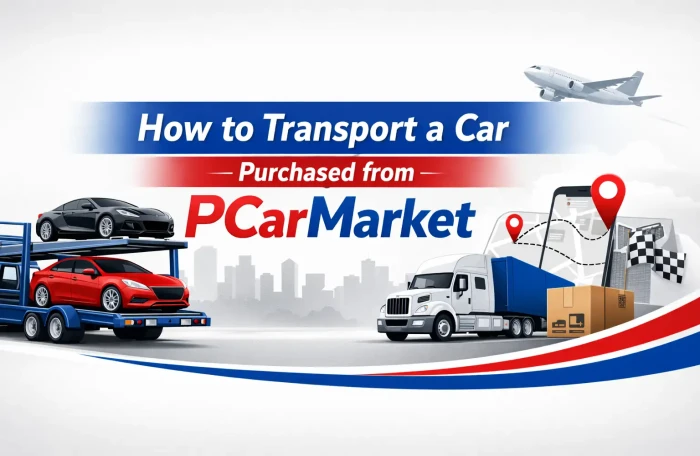


Shipping a car bought from PCarMarket comes down to four decisions. Choose the right transport type, hire a broker or carrier, verify the vehicle before pickup, and document its condition at delivery. Miss any of those, and you risk delays, damage disputes, or paying more than expected.
Buying through PCarMarket moves fast. Once the auction closes, you are expected to arrange transport quickly, often within a few days.
That pressure is where mistakes happen, especially if you treat shipping like a standard delivery instead of a specialized process.
The First Decision That Actually Matters
Most buyers start with price. That misses the point.
You are really choosing between a cheaper shipment with more exposure to the elements, or a higher-cost option with more protection.
Open transport moves most vehicles in the U.S. It handles around 90 percent of shipments. It works well for standard cars. It also leaves your vehicle exposed to weather, debris, and road conditions the entire trip.
Enclosed transport costs more. Often 30 percent to 60 percent more depending on distance. That extra cost changes risk. Your car is shielded. It is not visible during transit. It is often loaded using liftgates instead of ramps, which matters if the car sits low.

If you bought a Porsche or another performance car from PCarMarket, this is not a minor choice. A small scrape under the bumper can erase more value than the price difference between open and enclosed shipping.
Why Timing Feels Unpredictable
Buyers expect a clean timeline. That rarely happens.
Carriers build routes, not appointments.
They group vehicles going in the same direction to make the trip viable. That means your pickup window depends on when a truck has enough cars to justify the route.
Fuel prices, route demand, and seasonal traffic all shift pricing and timing at the same time. Fuel alone can make up 30 percent to 50 percent of transport costs.
You might notice quotes vary more than expected. That is normal. It reflects real operating conditions, not guesswork.
Brokers vs. Carriers: What You Are Actually Hiring
This part confuses most first-time buyers.
A carrier owns the truck. A broker manages the process.
Brokers coordinate shipments through a network of carriers. They check licensing, insurance, and availability. They also handle communication. That matters when your car is moving across multiple states.
Carriers focus on routes. Many operate one or two trucks and stick to specific lanes.
Working directly with a carrier can sound appealing. It also shifts responsibility onto you. You would need to verify credentials, insurance limits, and reliability on your own.

Many PCarMarket buyers choose a broker for flexibility and speed.
What the Bill of Lading Really Protects
The Bill of Lading is not paperwork you sign quickly and forget.
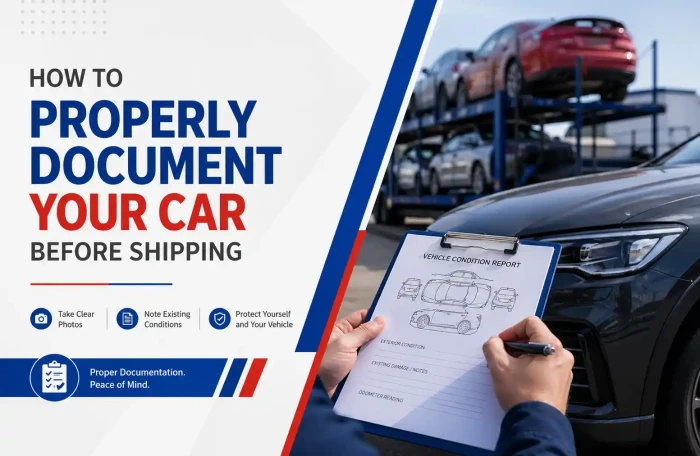
It is the only document that proves the condition of your vehicle before and after transport.
At pickup, the driver records existing damage. At delivery, the same check happens again.
If damage is not written on that document before signing, it becomes difficult to claim later. That detail alone changes how carefully you inspect the car when it arrives.
The Small Checks That Keep Your Shipment on Track
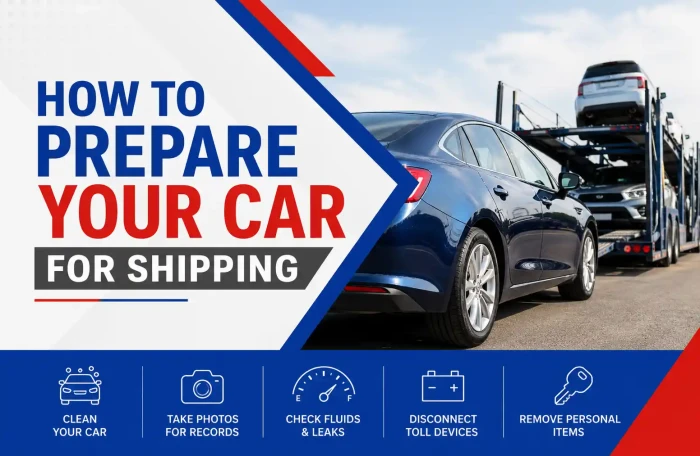
Carriers expect the vehicle to be ready to load. If it is not, delays and extra costs can follow.
Fuel should sit around a quarter tank. Enough to move the car, not enough to add unnecessary weight.
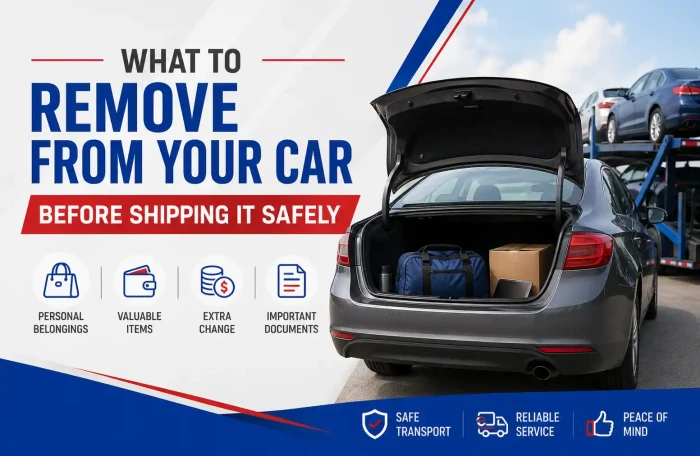
Loose items should be removed. The DOT does not permit personal items inside vehicles during transport. Some carriers may allow limited items for a fee, but that must be arranged in advance.
Alarms should be disabled. Batteries should hold a charge. Tires should be properly inflated.

None of these are cosmetic. These details determine whether the driver can load and unload your car without issue.
Where Buyers Misjudge Risk
Most people assume damage is rare, so the cheaper option makes sense.
What they miss is how value works with enthusiast cars.
A minor cosmetic issue on a daily driver might not matter. On a collector vehicle, it can affect resale, originality, or buyer perception. That shifts the calculation.
Security also matters more than people expect. High-value listings attract attention. Enclosed transport reduces visibility, which lowers that risk during transit.
How AmeriFreight Auto Transport Fits Into This Process
AmeriFreight Auto Transport works as a broker, which means access to a wide carrier network across the country. That flexibility helps when you need to align transport quickly after a PCarMarket purchase.
No upfront payment until you choose a carrier.
Door-to-Door Service (Location Permitting) is available, which helps reduce handling and simplifies delivery when access allows.
If you want additional protection, AFTA plans are available as optional gap protection plans. They are not insurance, but they can help reduce financial exposure in specific situations.
Questions Buyers Usually Have But Do Not Ask
Will the carriers treat my car like I would?
Not exactly. Carriers handle multiple vehicles and operate on tight schedules. The right transport method matters more than assuming special handling.
Is the cheapest quote safe enough?
Sometimes. Often it reflects limited availability or less specialized equipment. That tradeoff becomes clearer once you understand what is being reduced.
Can I rely on the estimated delivery window?
Treat it as a range, not a fixed date. Route changes and load adjustments happen regularly.
What happens if something feels off at delivery?
Pause. Inspect the car carefully before signing anything. That moment determines your ability to act.
Disclaimer
Shipping timelines, carrier availability, and pricing vary based on route demand, fuel costs, and vehicle type. All services are subject to carrier acceptance and location permitting. AmeriFreight Auto Transport does not provide exact quotes or guaranteed dates. Customers should verify vehicle condition, documentation, and transport details before shipment.