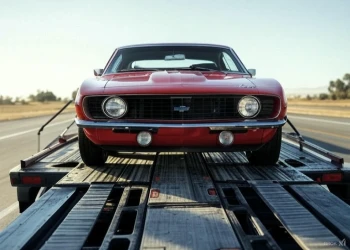



Moving a vehicle without driving it shifts the decision to one central tradeoff: how much exposure you are willing to accept during transit.
Open and enclosed car shipping solve the same problem in different ways. One prioritizes efficiency and availability, while the other reduces exposure and adds layers of protection at a higher cost. The difference becomes more important as the value and condition sensitivity of the vehicle increase.
Why Open Car Shipping Handles Most Vehicles
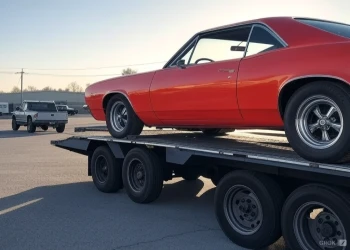
Open transport moves the vast majority of vehicles in the United States, accounting for roughly 90 percent of all shipments. This is supported by American Trucking Associations data indicating that open carriers are the backbone of the industry.

Efficiency: Open carriers are engineered to transport between six and ten vehicles at once. By spreading fuel, labor, and route costs across several shipments, they keep pricing lower and routes widely available.
Capacity: These trailers operate within strict federal 80,000-pound gross vehicle weight limits. Carriers must balance load distribution and stability while maximizing capacity within these legal bounds.
The Tradeoff: This method works well for daily drivers and standard vehicles, but the tradeoff is exposure to weather, dust, and road debris during transit.
Modern Standards: While environmental exposure exists, modern securement systems have significantly reduced the chance of mechanical damage or movement during the journey.
Where Enclosed Car Shipping Changes the Equation
Enclosed transport removes external exposure and replaces it with a controlled environment.
Shielded Environment: Vehicles are transported inside hard-sided trailers that use rigid aluminum or steel panels to shield against the elements.
Cost Drivers: Added protection reduces capacity. Fewer vehicles per load means each shipment carries a larger share of operating costs, which increases pricing.
Advanced Loading: Many enclosed carriers use hydraulic liftgates that raise vehicles level into the trailer. This avoids steep ramp angles and reduces the risk of scraping for low-clearance luxury or classic cars.
How Open and Enclosed Shipping Compare in Practice
What the Industry Requires Behind the Scenes
Vehicle transport operates under FMCSA safety and operational standards.

Liability: Carriers handling property over 10,001 pounds are required to carry at least $750,000 in liability coverage.
Cargo Protection: This is handled through inland marine insurance, which covers the vehicles specifically while in transit. Coverage limits vary, but enclosed carriers typically maintain higher limits due to the high value of their loads.
Compliance: Every carrier must be properly registered with the FMCSA to operate legally.
Capacity Pressures Are Changing Transport Decisions
Vehicle size and weight have increased with the rise of SUVs and EVs. This affects how many units a carrier can legally transport under federal weight limits. As vehicles become more complex and valuable, industry trends show more owners choosing enclosed transport to mitigate potential risks during long hauls.
Choosing the Right Option for Your Situation
The decision starts with the vehicle's sensitivity to exposure.
Open Transport: Usually the practical choice if minor surface wear is not a concern. It offers reliable service at a lower cost.
Enclosed Transport: Essential if preserving condition is critical. However, it often requires more advanced scheduling due to lower availability.

Working With AmeriFreight Auto Transport
AmeriFreight Auto Transport connects customers with carriers. Each carrier is vetted for proper registration and active cargo coverage to ensure your vehicle is handled by professionals who operate within federal safety standards.