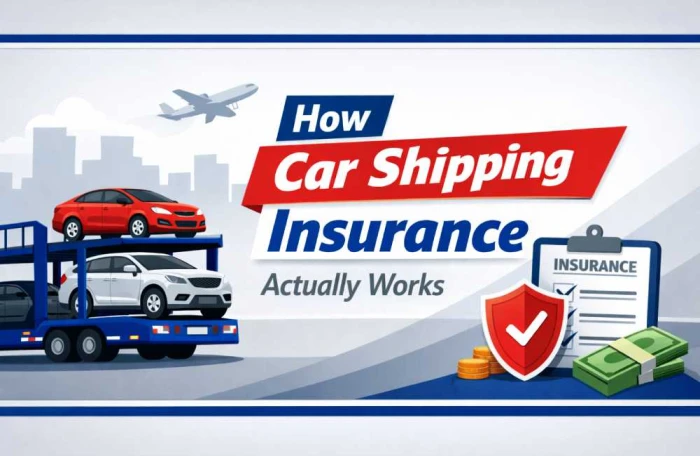


Car shipping insurance works through the carrier’s cargo coverage, which protects the vehicle during transport. It is supported by federal regulations and inspection documentation. It is not a single blanket policy. Instead, it is a layered system that determines who is responsible if something goes wrong during vehicle transport.
In vehicle shipping, protection is divided among different parties. The carrier has one set of obligations tied to the transport itself. Your personal auto policy may still apply in limited situations. That distinction matters from the moment the vehicle is inspected for pickup until the final delivery inspection.
Confusion often starts with a basic assumption. Insured transport does not always mean all situations are covered in the same way. Coverage depends on the cause of the damage, the carrier’s policy limits, and the documentation completed during pickup and delivery.

The Carrier’s Insurance Is Not the Same as Complete Protection
Under FMCSA insurance requirements, auto haulers generally maintain at least $1,000,000 in liability coverage connected to the operation of the transport truck. That requirement exists to protect the public if the truck causes bodily injury or property damage on the road. It is part of the federal oversight framework managed by the Federal Motor Carrier Safety Administration.
That liability policy does not protect the vehicles on the trailer.
Vehicles being transported fall under cargo insurance for cars, which covers the freight itself. Federal cargo minimums can be lower than many customers expect. Some regulations allow limits as low as $5,000 per vehicle and $10,000 per occurrence.
Because modern vehicles often exceed those values, reputable carriers commonly maintain higher limits. A typical cargo coverage range is $100,000 to $250,000 per load. Even that amount must often cover several vehicles on the same trailer. This is why verifying carrier coverage matters when evaluating vehicle transport liability.

The Bill of Lading Determines Most Claims
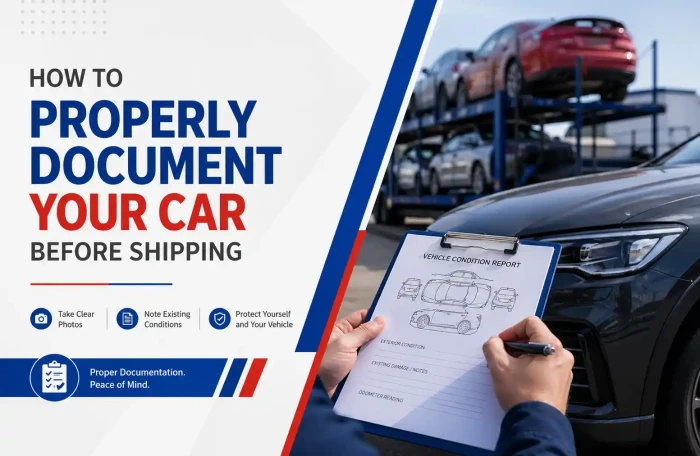
The Bill of Lading (BOL) is the most important document involved in auto transport insurance claims. It serves as a receipt, an inspection report, and a transport contract. Before the vehicle is loaded, the driver and customer inspect it together and document the vehicle’s condition. Scratches, dents, and visible defects must be written on the inspection section of the Bill of Lading.
A second inspection happens at delivery. If new damage is discovered, it must be recorded on the delivery Bill of Lading before the document is signed and before payment is made to the carrier.
Signing a clean delivery report usually indicates that the vehicle arrived in acceptable condition. When damage is not documented at delivery, filing a successful claim becomes much more difficult.

Open and Enclosed Transport Change the Risk
Most vehicles are transported using open carriers. Open transport is widely available and generally costs less. Open trailers expose vehicles to road debris, weather, and typical highway conditions. Enclosed carriers provide a protective shell around the vehicles being transported.
That difference changes the probability of damage. The price difference between these methods can reach 40-60%. But once a vehicle value approaches around $60,000, the reduced exposure of enclosed transport may justify the additional cost.
Vehicle Damage Can Affect Value Even After Repairs
Repairing a vehicle does not always restore its full resale value. When a vehicle appears on a damage or accident record, it may experience inherent diminished value. This term refers to the loss in market value that occurs simply because the vehicle has a history of damage.
Depending on the vehicle and the extent of the damage, diminished value can reduce resale price by 10 percent to 25 percent. If repair costs climb high enough, the issue can shift toward a total-loss decision. Many insurers consider a vehicle a total loss when repairs reach about 70-80 percent of Actual Cash Value (ACV).
These financial realities are one reason many owners of luxury or collector vehicles carefully evaluate shipping options.
Personal Insurance May Still Play a Role
Personal auto insurance can still be relevant when shipping a vehicle, but its role is limited. Many policies are written for vehicles that are being driven or stored by the owner. Once a vehicle is handed over to a professional carrier, the situation changes. The vehicle is temporarily under commercial custody, which means the carrier’s cargo coverage typically becomes the primary protection for transport-related damage.
There are still situations where the owner’s policy may apply. Personal comprehensive coverage may respond to certain risks that fall outside the carrier’s responsibility, depending on the policy terms. During normal transport activities such as parking, loading, or unloading, the carrier and its agents may also benefit from the customer’s existing auto insurance on the vehicle.
This does not replace the carrier’s cargo coverage or shift responsibility for transport-related damage to the owner’s insurer. Instead, it means the two policies can intersect under specific circumstances.
Natural Events and Delays Are Part of Transport Reality
Vehicle transport operates across long distances and many variables. Severe weather, road closures, mechanical issues, and unexpected third-party events can delay shipments. Delivery timing is typically estimated rather than guaranteed.
Natural disasters can also create complicated insurance situations. Some policies treat extreme natural events differently from standard accident claims. Understanding this possibility helps set realistic expectations about how insurance works during vehicle shipping.
Extra Charges Are Often Related to Handling, Not Insurance
Some additional costs in vehicle shipping have little to do with insurance but still influence the overall decision.
For example, inoperable vehicles require specialized equipment for loading and unloading. Larger vehicles, such as SUVs or trucks, occupy more space on the trailer and alter the weight distribution. Oversized or modified vehicles may also incur additional handling fees. These factors affect pricing and reflect the complexity of transport rather than the insurance coverage itself.
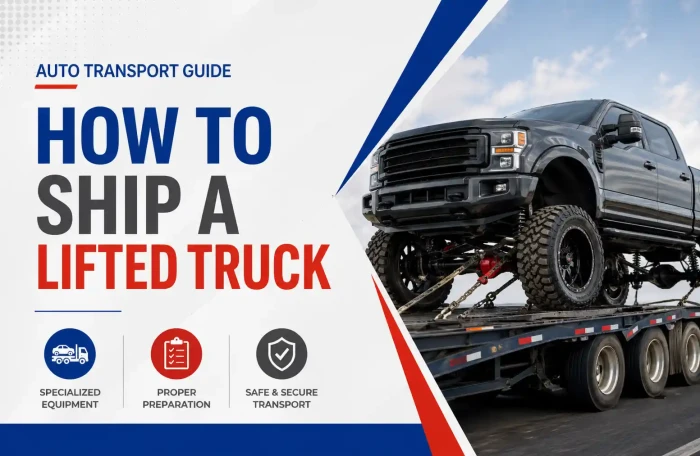
These adjustments relate to logistics rather than insurance. Transport trailers have limits for weight, size, and loading angles. When a vehicle is larger than normal, modified, lifted, lowered, or unable to move on its own, the carrier may need extra time or equipment to load it safely. Those factors increase the effort required for transport, which is why they appear as handling charges rather than insurance costs.
Optional Gap Protection Through the AFTA Plan
The AFTA plan is an optional gap protection plan offered through a third-party provider. It is designed to help address certain types of damage that may not be covered by the carrier’s policy. Customers who choose this protection should understand its reporting rules. Only AFTA coverage recipients have 48 hours to report damage under that plan.
Claims Can Take Time to Resolve
Insurance claims in the vehicle transport industry often take several weeks to complete. Across the industry, auto insurance claims can take anywhere from a few weeks to several months, though some cases resolve faster depending on complexity. That delay can create secondary costs such as rental vehicles or temporary transportation arrangements, while the claim is processed.
AmeriFreight Auto Transport Coordinates the Shipment
AmeriFreight Auto Transport operates as a licensed broker that connects customers with qualified third-party carriers. Before a carrier is assigned to a shipment, we review the carrier’s credentials to confirm active registration with the U.S. Department of Transportation and verify that the carrier maintains the insurance required by federal regulations.
This vetting process helps ensure that the carrier selected for a shipment meets basic operational and insurance standards before the vehicle is dispatched. AmeriFreight Auto Transport coordinates the shipment's logistics and serves as the customer’s agent throughout the arrangement process.
Understanding this structure clarifies how vehicle protection works during transport. Car shipping insurance is not a single promise. It is a system that relies on federal compliance, carrier insurance coverage, careful carrier vetting, and proper inspection documentation before and after the vehicle is transported.
Get your free, no obligation quote today.