


Car shipping claims are often denied because damage was not documented at delivery, the issue falls under carrier exclusions, or the claim lacks clear evidence that transport caused the problem.
Damage during shipping is uncommon, with about 1 percent to 2 percent of freight shipments resulting in claims. Still, the scale of U.S. transport means many disputes occur each year. Denials usually stem from documentation gaps, pre-existing damage, mechanical issues, or missing notes on the Bill of Lading.
Because of this, the success of a claim often depends on preparation and clear records before, during, and immediately after vehicle delivery.
The Legal Framework Behind Every Claim
Vehicle transport claims in the United States fall under federal law. The Carmack Amendment, first passed in 1906, created a single national system for determining liability in interstate freight shipping.
Under this law, carriers operate under a strict liability framework. The vehicle owner does not have to prove negligence. They must show three things:
The vehicle was handed to the carrier in good condition.
The vehicle arrived with damage.
The damage caused a measurable financial loss.

If those conditions are established, the carrier must prove that the damage came from one of a small group of legal exclusions.
This structure sounds favorable to vehicle owners. In practice, many claims fail before reaching that stage.
The Bill of Lading Often Determines the Outcome
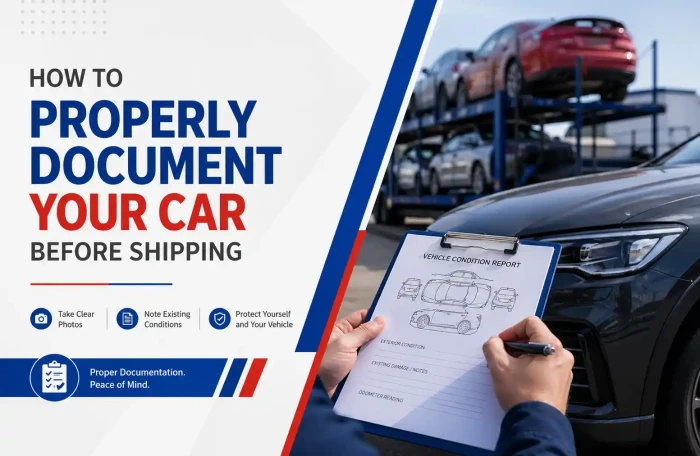
The Bill of Lading, commonly called the BOL, acts as a receipt, condition report, and contract during vehicle shipping. It documents the vehicle’s condition at pickup and again at delivery.
A common denial scenario starts when the delivery BOL shows no damage. Signing a clean delivery report usually signals that the vehicle arrived in acceptable condition. Courts often treat that signature as stronger evidence than later photos or verbal statements.
The inspection at delivery is the moment that matters most. Many owners only realize this later.
Small documentation errors also cause problems. A vague note such as “damage present” rarely helps a claim. Insurance adjusters expect specific descriptions. An example would be “two-inch scratch on driver side rear quarter panel.”
Missing signatures create another issue. If either party fails to sign the BOL, the document can lose much of its legal weight. Even basic errors can weaken a claim. An incorrect VIN or vehicle description may allow a carrier to argue that the paperwork does not clearly match the vehicle in dispute.
The Four Legal Exclusions That Carriers Use
Carriers are not responsible for every type of damage. The Carmack Amendment includes several exclusions that often lead to claim denials.
One of the most common is an Act of God. This refers to sudden natural disasters that could not reasonably be avoided. A sudden earthquake or an unexpected severe storm may fall into this category.
Another exclusion involves the default of the shipper. This applies when the vehicle owner contributes to the damage. Improper preparation, inaccurate vehicle details, or unsecured personal items may shift responsibility away from the carrier.

Public authority is another exclusion. Government actions such as road closures or quarantines may create situations outside the carrier’s control.
There is also a category known as inherent vice. This refers to problems caused by the vehicle itself. Mechanical failures, battery issues, or existing leaks that worsen during transport often fall under this classification.
These exclusions are narrow. They still appear frequently in denied claims.
Misunderstood Insurance Coverage
Many vehicle owners assume every type of damage is covered during shipping. Transport insurance does not work that way.
Federal rules require carriers to carry public liability insurance and cargo insurance. Public liability protects others on the road. Cargo insurance protects the vehicles being transported.
Cargo policies still contain exclusions. Small paint chips caused by road debris are often excluded during open carrier transport. This type of exposure is considered normal risk when vehicles travel on open trailers. Weather damage can also fall outside coverage depending on policy terms.

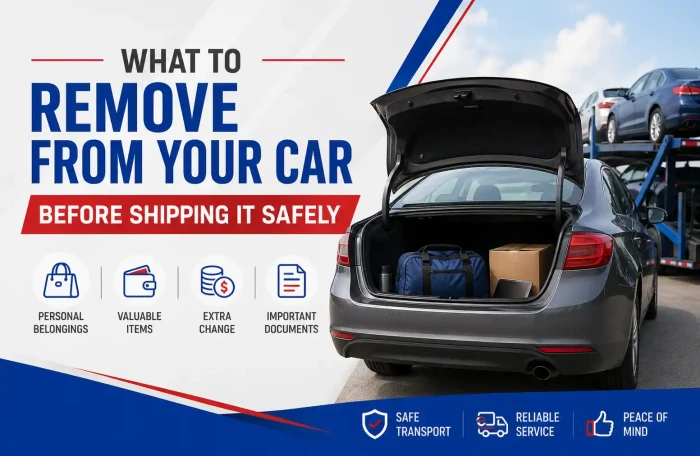
Personal belongings inside the vehicle create another issue. The U.S. Department of Transportation does not permit carriers to ship household goods in vehicles. Some carriers may allow limited items for an added fee, but this must be discussed beforehand. Personal belongings are rarely covered by cargo policies.
Mechanical problems create additional confusion. If a vehicle stops running during transit due to an existing issue, the repair cost usually falls on the owner rather than the carrier.
Weak Documentation Leads to Denials
A damage claim often depends on the quality of evidence. Photos taken before pickup can make or break a case. The most effective documentation shows the vehicle from multiple angles, including the roof, wheels, and bumpers.
A full walkaround helps establish the vehicle’s condition before loading. Interior photos can also show mileage and warning lights. The absence of this documentation creates uncertainty. Without clear images, it becomes easier for a carrier or insurer to argue that damage existed before transport.
Digital records now play a larger role than ever. Time-stamped images help establish the timeline of custody.
Late Reporting Is a Common Claim Killer
Some types of damage are not obvious during delivery.
Alignment problems or mechanical issues may appear after the vehicle is driven. These are considered concealed damage. The reporting window for concealed damage is short. Industry standards often limit reporting to about five days after delivery.
If the owner waits longer, the carrier may argue that the problem occurred after the vehicle left their custody. Delays also make the investigation harder. Evidence fades quickly once the vehicle returns to normal use.
The Challenge of Diminished Value Claims
Some claims focus on diminished value. This refers to the loss in resale value that occurs after a vehicle has recorded damage history. Even when repairs restore the vehicle completely, buyers often pay less for a car with an accident record.
Insurance providers frequently deny these claims. They often argue that the loss remains theoretical until the vehicle is actually sold. State laws also vary. Some states allow diminished value claims more easily than others. In many areas, the burden of proof is high and may require expert valuation.
Administrative Errors and Missed Deadlines
Even valid claims can fail due to paperwork mistakes. Federal rules require carriers to acknowledge a claim within 30 days. They then have up to 120 days to pay, deny, or offer a settlement. During this period, the carrier may request additional documentation.
If the claimant fails to respond, the claim can be closed or denied due to incomplete information. Administrative details matter. Missing repair estimates, unclear photos, or incomplete records can delay or end a claim.
Industry Trends That Affect Claim Outcomes
Several economic changes now influence the way claims are handled. Vehicle repair costs have increased sharply in recent years. Higher repair costs raise the financial stakes for insurers and carriers.
Electric vehicles also bring new complexity. Advanced sensors and battery systems make damage assessment more complicated. As claim values rise, insurers often review claims more thoroughly.
The Broker and Carrier Responsibility Divide
Many vehicle shipments involve two separate parties. A broker arranges the shipment. A licensed carrier performs the transport.
Vehicle owners sometimes assume the broker carries responsibility for damage.
In practice, the carrier usually holds legal responsibility because the carrier has physical custody of the vehicle during transit. Brokers still play an important role. A broker may verify licensing, insurance status, and safety records before assigning a shipment.
AmeriFreight Auto Transport, one of the best-reviewed companies in the car shipping industry, operates as a broker that connects customers like you with licensed carriers.
A Claim Is Often Won or Lost Before Transport Begins
Most denied claims trace back to a few predictable issues:
Incomplete inspection records
Weak documentation
Misunderstood coverage
Late reporting
Understanding how claims are evaluated changes how people approach vehicle transport. The inspection process becomes more deliberate. Documentation becomes routine. Expectations around insurance become clearer.
These small steps can shape the outcome long before any dispute begins.
Disclaimer
This information is provided for general educational purposes about vehicle transport claims. Policies, documentation requirements, and carrier liability may vary by shipment and carrier.
AmeriFreight Auto Transport arranges vehicle shipping with licensed carriers. No upfront payment until you choose a carrier. Customers should review all transport documents and inspection reports carefully.