


Buying a collector vehicle through ClassicCars.com can feel simple until the transport piece becomes your problem. The deal is done, the title is moving, and the car is sitting in another state waiting for someone to handle it correctly. That is the point where many buyers realize they are no longer making a shopping decision. They are making a risk decision.
A classic car shipment is different from moving a late-model commuter car. Condition matters more, replacement parts may be harder to source, and even minor cosmetic damage can affect value in a way that would barely register on an ordinary vehicle. ClassicCars.com itself treats transport as a specialized part of the ownership process, which is a good clue that the shipping method deserves more attention than many first-time buyers expect.
Why a Classic Car Needs More Than Standard Transport

Most auto shipping is designed around efficiency. Trailers are filled, routes are combined, and vehicles are loaded and unloaded as the carrier moves through a network. That system works for everyday cars because the priority is usually cost control. It works less well for collector vehicles, where every extra handoff introduces another opportunity for damage, delay, or poor documentation.
That is why many buyers focus on carriers that reduce transfers and keep the vehicle on one trailer from pickup to delivery. The deep research document you shared highlights this as a meaningful difference in risk, especially for high-value or historically significant vehicles. A car with older suspension, fragile trim, or low ground clearance simply does not benefit from being treated like generic freight.
Open vs. Enclosed Transport Is Really a Value Protection Decision
The biggest transport choice is usually open versus enclosed shipping. Open transport is common, widely available, and usually less expensive. For a modern daily driver, that tradeoff often makes sense. For a classic car bought from ClassicCars.com, the better question is whether the savings justify the exposure.
ClassicCars.com’s own guidance on shipping and Intercity Lines’ classic car transport overview both point toward enclosed shipping as the stronger fit for collector vehicles because it protects against road debris, weather, and visibility during transit. If the car has older paint, a fresh restoration, rare chrome, or delicate bodywork, that protection directly affects the financial outcome of the move.
The pricing difference is real. The research document notes that enclosed transport often runs 30 percent to 60 percent more than open shipping, but that premium needs to be weighed against the cost of paint correction, trim repair, or bodywork if something goes wrong. For many classic car buyers, enclosed shipping is less about luxury and more about avoiding a much bigger bill later.
Loading Equipment Matters More Than Most Buyers Realize
A classic car can be damaged before the trip even begins. That usually happens during loading.
Vehicles with low ride height, long front overhangs, or older suspension geometry may not tolerate steep ramps well. Hydraulic liftgates help keep low-clearance classics level during loading, which reduces the risk of scraping the underside or front valance. That detail matters if you bought a vehicle that sits lower than stock or has bodywork that would be difficult to replace.
The same logic applies to tie-down methods. The research you uploaded notes that specialized carriers may use soft-strap systems that secure the wheels rather than stressing the chassis or suspension. Buyers do not always ask about this, but they should. A transporter that regularly handles classics will usually have a better answer than one that mainly moves ordinary retail inventory.
What Actually Happens After You Book Shipping
Many buyers assume the company they speak with is the company that will put the car on a trailer. That is not always how the business works.
AmeriFreight Auto Transport operates as a broker, which means its customer service agents connect your shipment with vetted carriers rather than sending one of its own trucks. That distinction matters because a broker’s value comes from screening, communication, and matching your vehicle to the right carrier and trailer type.
There is also a practical payment point worth understanding. With AmeriFreight Auto Transport, there is no upfront payment until you choose a carrier. That gives you time to evaluate the shipment rather than paying before the carrier side is in place.
Federal Rules Still Shape a Specialty Shipment
Even when a classic car feels like a niche shipment, it still moves inside a federal regulatory framework.
The FMCSA registration system and the FMCSA portal guidance lay out how authorized carriers are identified and managed. The research document also notes that FMCSA modernization has placed more emphasis on verified registration and fraud prevention, which matters in an industry where fake or unstable operators can create serious problems.
From the buyer’s side, the practical takeaway is simple. You should verify that the carrier is active, authorized, and properly registered before your vehicle moves.
Insurance Is Where Buyers Often Assume Too Much
A lot of buyers hear that a transporter is insured and stop asking questions. That can be a mistake, especially with collector cars.
The FMCSA’s federal requirements materials and the research document both make clear that liability and cargo coverage exist within defined limits. The problem is that cargo limits are often shared across the load. If several valuable vehicles are on the same trailer, your car is not sitting inside an unlimited protection pool.
That is why buyers of higher-value classics should request a certificate of insurance and confirm what the cargo limit actually covers.
The Bill of Lading Is Not Routine Paperwork
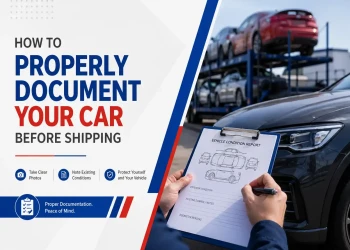
The most important document in the shipment is the Bill of Lading. It is the record that establishes the condition of the vehicle at pickup and delivery, and it can decide whether a damage claim is straightforward or difficult.
Digital documentation has become part of the process for many shipments, and the inspection section of the Bill of Lading is the part buyers need to take seriously. Every scratch, dent, chip, or pre-existing flaw should be noted when the vehicle is picked up. The same inspection should happen again when it is delivered.
If new damage appears and it is not written down before signing, the claim becomes harder to prove. Buyers often rush this part because they are excited to receive the car. That is understandable, but it is the wrong moment to be casual.
Documents and Release Requirements Can Slow the Process
A classic car purchase can involve more than a title and a shipping order. Depending on where the vehicle is coming from, the carrier may need proof of purchase, photo identification, or release paperwork before the car can be picked up.
The document you uploaded points out that auction facilities and similar sellers may require gate passes or specific release forms, while some transactions also rely on a limited power of attorney if the owner cannot be present for pickup or delivery.
This is one of the places where buyers get caught off guard. They assume the vehicle can be collected as soon as they pay for it. In reality, the seller, facility, and transporter may all need matching paperwork before the car is released.
Preparing the Car Before Pickup Prevents Avoidable Delays
Preparation is not complicated, but it does affect whether the shipment goes smoothly.

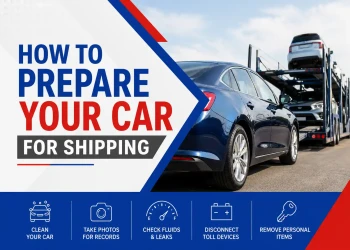
The fuel level should typically stay at one-quarter tank or less. Tires should be inflated, the battery should be secure, and active leaks should be addressed before pickup. A leaking vehicle can be rejected because it creates a problem for every car on the trailer.
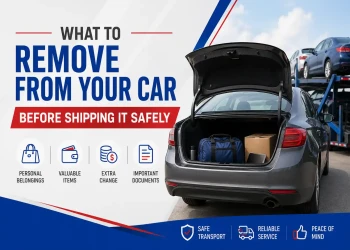
Personal items are another point worth stating clearly. The DOT does not permit personal items to be shipped in vehicles. If a carrier allows anything at all, it usually comes with an extra fee and must be discussed in advance. Buyers often assume they can tuck spare parts or boxes into the trunk, but that assumption can create a pickup issue or coverage problem.
Delivery Timing Depends on Real Operating Limits
Buyers naturally want a precise arrival date, especially after a major purchase. Transport does not always work that way.
Driver scheduling is shaped by federal safety rules, including hours-of-service requirements. OSHA’s interstate and intrastate trucking guidance and the FMCSA hours-of-service guide show why long-distance freight moves in controlled increments rather than in one continuous push. That affects classic car shipments the same way it affects the rest of the industry.
Expedited shipping can improve priority. It does not guarantee pickup or delivery dates. That distinction matters, especially if the seller is charging storage or if you are coordinating with a restoration shop, event, or state registration deadline.
Carrier Verification Should Happen Before the Car Moves
You do not need to rely on a salesperson’s word when checking whether a carrier is legitimate.
The FMCSA consumer advisory for automobile transporters explains what consumers should verify, and the SAFER system allows you to check a carrier’s registration and status. You want to see that the carrier is active, authorized, and clearly identified for motor vehicle transport.
That step is not paranoia. It is basic screening. When the vehicle is valuable and the seller is far away, verification is one of the few things completely under your control.
The Questions Buyers Usually Have in the Back of Their Mind
Most people do not ask these questions out loud right away, but they are usually there.
Will this car stay on one trailer, or will it be moved around to fit a route?
If something goes wrong, will the carrier’s coverage be enough for a classic with real collector value?
Does the driver know how to load a low-clearance car without scraping it?
Am I about to sign paperwork too quickly when the car arrives?
Those concerns are valid. They are also more useful than obsessing over a small price difference between quotes.
The Delivery Inspection Is the Most Important Five Minutes

When the vehicle arrives, the shipment is not over yet. That handoff is the moment when documentation, preparation, and carrier quality all come together.
Use the Bill of Lading. Walk around the car slowly. Compare the current condition to the pickup record. Check the lower body panels, air dam, trim, glass, and wheel faces. If something changed during transport, note it before signing.
That final inspection is where many buyers either protect themselves or accidentally give up leverage. It deserves patience.
What Matters Most for a ClassicCars.com Shipment
If you bought a car through ClassicCars.com, the safest path is usually the one that reduces handling, protects the vehicle from exposure, and gives you clean documentation from pickup to delivery. Enclosed shipping, proper carrier vetting, careful inspection records, and realistic expectations about timing all matter more than shaving a little off the transport bill.
The shipment should match the car. A rare or highly finished classic deserves a transport plan built around preserving condition, not just getting the vehicle from one address to another.
Ready to Ship Your Classic Car With Confidence?
Transporting a vehicle from ClassicCars.com requires more than just booking a carrier. It takes the right handling, proper documentation, and a team that understands how to move high-value vehicles without adding unnecessary risk.
AmeriFreight Auto Transport helps connect you with vetted carriers experienced in classic and collector car shipping. You get guidance from knowledgeable customer service agents, flexible scheduling options, and no upfront payment until you choose a carrier.
Get started today and request your quote.