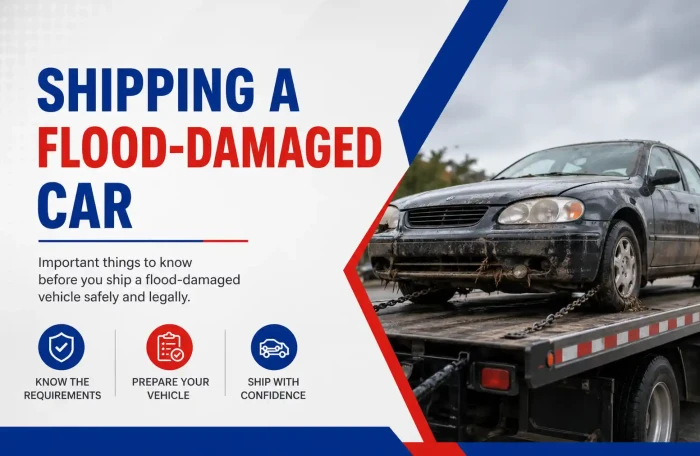
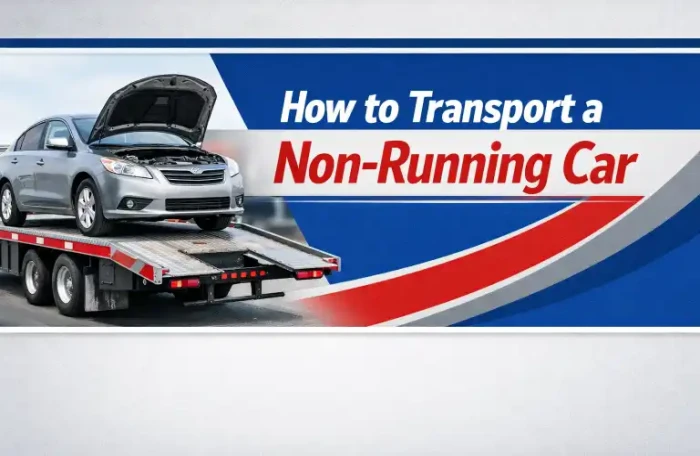



Moving a vehicle that cannot move itself requires a completely different approach to auto transport. Many owners assume a carrier can simply drag a broken car onto a trailer and figure out the details on the ramp. In reality, the difference between a car that runs and one that does not is the difference between standard freight and a heavy-duty recovery operation.
An immobile vehicle requires specialized infrastructure, distinct safety protocols, and precise equipment. Understanding exactly how a 4,000-pound object is lifted from the pavement to an elevated carrier deck is the only way to avoid refused pickups, unexpected surcharges, and severe structural damage.
Assess the Roll, Steer, and Brake Standard
Shipping an "inop," the industry term for any vehicle that cannot be driven onto a carrier under its own power, begins with a mechanical assessment. You must determine if the vehicle can roll, steer, and brake. The industry calls this the RSB standard. It serves as the baseline requirement for a standard winch load.
You have to be specific about the mechanical failure before a truck is ever dispatched. First, determine if the car is simply unsafe to drive. If a vehicle has bad brakes or no headlights, a driver will not risk navigating the tight clearances of a trailer. These vehicles are treated as non-runners for safety reasons.
Next, check if the steering works, the tires hold air, and the transmission shifts into neutral. You must provide the ignition keys to the driver. Even if the engine does not start, the keys unlock the steering column. A vehicle with a locked steering column cannot be steered up a ramp.
Finally, check for total immobility. Cars with seized brakes or heavy collision damage require forklifts or rollbacks. A rollback is a specialized tow truck with a flatbed that tilts to the ground. It is frequently used for difficult pickups. If a carrier shows up expecting a rolling car and finds locked wheels, they will refuse the pickup.
Disclose the Condition for Accurate Pricing
You must communicate the exact mechanical state of the car to secure an accurate quote. Expect to pay an inoperable premium for this service. Prices are typically 20 percent to 50 percent higher than running vehicle rates. The equipment surcharge for standard winch fees ranges from $150 to $300. This covers the extra hour of loading labor and compensates the driver for lost space on the trailer, as winches are usually mounted in specific spots that dictate exactly where the car must sit.
Trying to hide a mechanical issue to secure a lower rate always fails. The driver tests the vehicle before loading. If the car does not start, they will halt the process, apply the winch surcharge on the spot, or leave the vehicle behind.
Secure Specialized Carrier Equipment
Getting a heavy vehicle onto a trailer takes serious pulling power. You must confirm that the dispatched carrier is winch-equipped, meaning they feature a powered hydraulic or electric cable system. Verifying this capability directly with the driver is critical because 34 percent of carriers lack the proper equipment for inoperable vehicles despite booking the loads.
You should avoid terminal shipping during this phase. Salvage yards and terminals often charge daily terminal storage fees that typically range from $25 to $50 after a short grace period. These locations also rely on forklifts that frequently cause cosmetic damage to the undercarriage. Booking Door-to-Door Service (Location Permitting) is much safer.
Prepare the Vehicle for a Winch Load
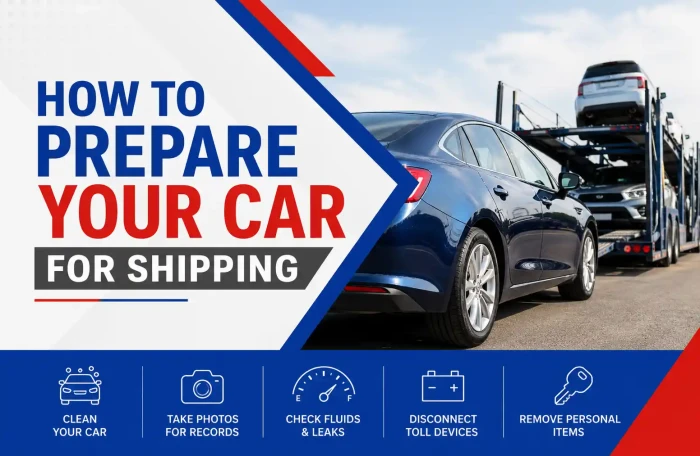
You need to physically prepare the car for transport to prevent loading accidents. Start with the fuel. Leave exactly one-quarter tank of gas. More fuel adds unnecessary weight. Less fuel might cause problems if the car is jump-started during the trip.
Inflate the tires fully so the winch does not have to drag flat tires. Roll down the driver-side window a few inches. The driver needs to reach through the window to steer the vehicle while operating the winch controls outside the car. Disconnect the battery to prevent electrical fires. Modern vehicles introduce a major complication here. Late-model cars often need battery power to shift out of park or turn off the electronic parking brake. Keep the battery connected only if you need the power to keep the parking brake off.
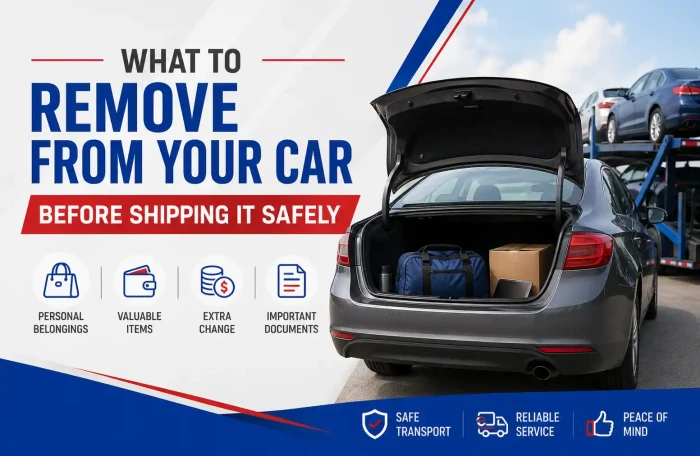
The Department of Transportation does not allow personal items in transported vehicles. Clear out the interior and trunk completely. Extra weight changes the center of gravity and makes winching dangerous.
Manage the Bill of Lading
Non-running vehicles carry a significantly higher damage risk. Statistics show a 4.8 percent damage rate for these cars compared to 2.1 percent for running cars. Low-clearance cars can easily scrape their undercarriage as they crest the top of the loading ramp.
Once the car is on the trailer, it has to be secured. Under federal regulation FMCSA 393.128, which governs the securement of vehicles on trailers, the winch cable is not a tie-down. Federal rules require four independent securement points to handle heavy braking during the trip.
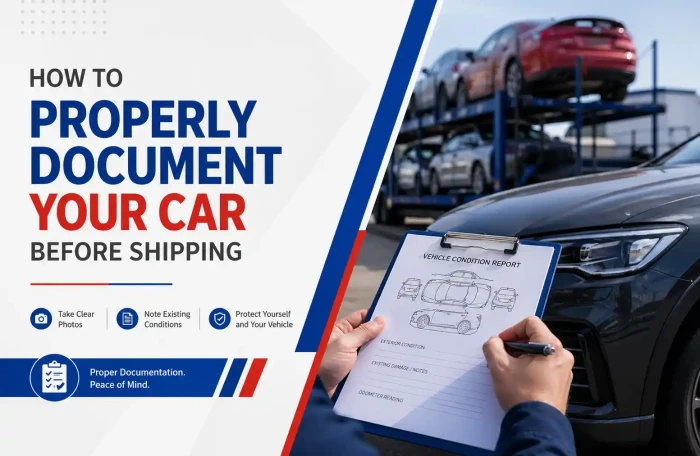
The driver carries cargo insurance for damage they cause during this process, like a dent from a slipped winch cable or a misplaced strap. This coverage does not apply to pre-existing mechanical issues. Your Bill of Lading (BOL) is the legally binding document that defines the vehicle's condition at pickup and delivery. You must be present during loading. Take clear photos of all four sides, the interior, and the undercarriage alongside the driver to establish a clear record of the vehicle's condition.
Plan for the Final Delivery
When the truck arrives at the destination, the driver focuses entirely on getting the car safely on the ground. Standard car carriers stretch more than 70 feet long and cannot navigate narrow residential streets. Select a large, flat commercial parking lot nearby for the final drop-off.
Drivers are not mechanics and will not help you diagnose engine problems in a parking lot. They will only unload the car onto the pavement. If you need the vehicle pushed into a residential garage or moved across town, you must arrange for a local tow service to meet the carrier at the drop-off location.
The final signature on the Bill of Lading transfers custody. Check the document against your original photos before you sign. Once the driver pulls away, any undocumented damage becomes your absolute responsibility.
Control the Variables of the Move
Shipping an inoperable vehicle leaves absolutely no room for guesswork. The success of the route depends on accurate mechanical disclosure and precise equipment matching. Misrepresenting a locked wheel or a dead battery does not force a carrier to adapt on the fly. It forces a refused pickup and severe logistical delays.
By confirming a carrier's winch capabilities, avoiding the hazards of terminal storage, preparing the interior for a safe winch pull, and strictly managing the Bill of Lading, you eliminate the highest-risk elements of the transport. Follow these guidelines, and you secure a predictable delivery without unexpected fees or avoidable damage.