

Winning a Bring a Trailer auction might feel like crossing the finish line, but it’s actually just the beginning of the handoff. While the auction itself is driven by a strict countdown clock, the shipping process depends heavily on vehicle readiness, location access, and route availability.
After a successful bid, Bring a Trailer connects the buyer and seller so they can finalize the transaction and organize transport. As the buyer, you are typically responsible for handling the shipping arrangements, paying taxes, and managing the vehicle's registration.
When Shipping Actually Starts
The pickup process doesn't start simply because you requested a specific date. Transport truly begins only when the seller is fully prepared to release the vehicle without any reservations.
It is completely normal for a seller to wait until funds have officially cleared, double-check all paperwork, or figure out exactly who will meet the transport driver. This is just standard caution, particularly when dealing with valuable collector cars. Until the vehicle is completely cleared for release, your shipping schedule remains tentative, even if you already have an active transport order in place.
Two assumptions tend to sit in the background:
“If I pay today, the car should be released tomorrow.”
“The title has to be in my hands before the car can move.”
Sometimes payment clears quickly, sometimes it does not. Title handling is often separate from transport logistics, but seller comfort controls release. If the seller is uneasy, the pickup window expands.
Bring A Trailer Shipping And Real-World Access Limits
Bring a Trailer offers an integrated shipping option in the contiguous 48 states. It typically centers on open transport and enclosed transport and markets a door-to-door experience.
The phrase “door-to-door” is accurate only when a large truck can safely reach both addresses. Narrow streets, steep driveways, gates, low branches, city restrictions, and tight turns can force a nearby meeting point instead of a driveway pickup. That is not a service downgrade. It is how trucking works.
When you describe the service, the clean phrasing is Door-to-Door Service (Location Permitting). It avoids a common misread that the truck will go anywhere a passenger vehicle can.
Another misread shows up later. Account-based tracking is not the same thing as a map dot moving in real time. Real-time GPS tracking is not offered.
Verified Checkout And The Paperwork Problem
Some listings offer Verified Checkout, which can coordinate parts of the transaction like payment, title transfer, and shipping through an online workflow.
Verified Checkout matters because paperwork issues are a hidden driver of shipping delays. Even on a simple route, the carrier still needs a releasable car, a responsive contact, and access for a truck. Verified Checkout can lower the chance that the shipment is waiting on transactional loose ends.
Open Vs Enclosed Without Guessing
Most buyers already know the headline: open is common and enclosed reduces exposure. The better question is what risk you are buying down.
Open Transport
Open transport fits many standard vehicles and many classic cars. Capacity is broad, which helps on common lanes. If you are shipping a driver-quality car where minor exterior blemishes would be annoying but not a crisis, open often matches the risk profile.
Enclosed Transport
Enclosed transport can make sense when you care about keeping the car in a controlled environment during transit and loading. It can be a fit for:
Low-clearance cars that load better with certain equipment
Fresh paint or fragile finishes
Rare trim and hard-to-source exterior pieces
Cars you would immediately correct if they arrived with new marks
A useful self-check is regret. If a new scuff would immediately trigger a repair plan, enclosed is often the calmer choice.
The Factors That Move Price And Scheduling
Auto transport operates as capacity-driven freight, meaning pricing constantly shifts based on market demand, the current season, route popularity, and specific vehicle requirements. Because of these moving parts, guaranteeing an exact quote for every route and date isn't realistic, and prices shouldn't be treated as locked in without considering the broader context.
Here are the factors that change outcomes most often with Bring a Trailer purchases:
Lane Density And Carrier Interest
Some routes stay active all year. Others are thin. Sparse lanes reduce the number of trucks that naturally pass through, and that can stretch the pickup window.
Condition, In The Practical Sense
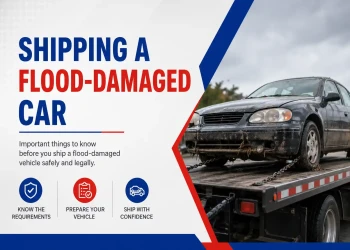
“Inoperable” narrows options quickly. If the car cannot start, steer, or brake reliably, loading may require equipment like a winch or dollies, and it can add time at pickup.
Even “runs, but” matters. A weak battery, leaks, or a finicky shifter increase loading risk. Risk reduces the pool of carriers willing to take the job on short notice.
Shape, Clearance, And Modifications
Custom and performance vehicles often sit lower to the ground, feature body kits, or have aftermarket parts that extend below the frame. These specific details dictate the necessary ramp angles and how the driver approaches loading, turning a standard pickup into a delicate operation.
If the listing has a splitter, skirts, or a low exhaust, assume the driver will treat loading as the highest-risk part of the trip. Plan for it.
Pickup And Delivery Access
A truck may not be able to stage at a specific address. A nearby parking lot or open street can be the safest option. This is common at both ends. The smoother the access plan, the smoother the pickup.
The Handoff Plan That Prevents Delays
Collector-car sellers tend to be careful. Many are private-party sellers who want the car handled properly and need to know the deal is completely finalized.
A strong handoff plan is simple:
Confirm the seller has keys ready, including any specialty keys.
Confirm the car can start and roll, or disclose that it cannot.
Confirm the loading location that makes sense for a large truck.
Confirm who will meet the driver and on what days they can do it.
If the seller is only available for a brief, one-hour window on a single day, scheduling the transport becomes highly complicated. The carrier can usually still make it work, but you should expect the overall pickup timeframe to expand as a result.
The Paper Trail That Decides Damage Disputes
Bring a Trailer photos show what the car looked like at listing time. They do not prove what happened during shipping.
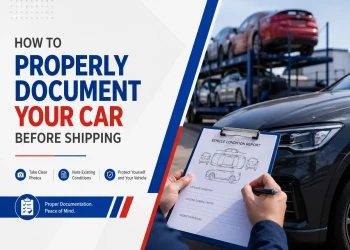
Condition documentation at pickup matters more than most buyers expect. The Bill of Lading is the condition and delivery record. If there is a damage dispute, the first question often becomes, “Was it noted at pickup?” and “Was it noted at delivery.”
A clean documentation routine:
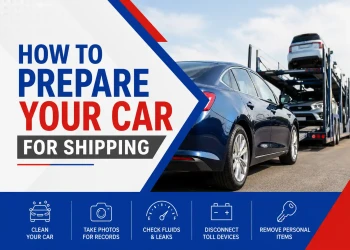
Wash the car or at least wipe down surfaces so marks are visible.
Take dated photos in consistent angles. Wide shots plus close-ups of existing issues.
Photograph wheels, glass, bumper corners, rocker panels, and lower edges.
Make sure existing flaws are written down at pickup before anyone signs.
At delivery, inspect before signing completion. Note any new damage on the delivery paperwork.
Many buyers make the mistake of signing the paperwork before inspecting the vehicle, which completely strips away their protection in a damage claim.
Personal Items And Avoidable Pickup Problems
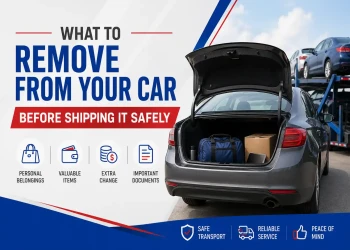
The DOT does not permit personal items to be shipped in vehicles. Some carriers may allow limited items for an extra fee, but this must be discussed beforehand.
Loading a vehicle with personal belongings leads to a few common problems:
Drivers can refuse the load.
Loose items can damage interiors during vibration and movement.
People assume items are protected the same way the vehicle is. That assumption often fails in a claim.
If the seller is including spare parts, manuals, or accessories, make a clear plan for them. Ship parts separately when possible. If something must ride in the car, disclose it early and confirm the carrier’s rules.
Where AmeriFreight Auto Transport Fits
AmeriFreight Auto Transport helps coordinate vehicle transport after the auction, once the seller can release the car.
Two expectations should be clear from the start:
No upfront payment until you choose a carrier.
Pickup and delivery happen on windows, not guaranteed dates.
The rate and planning reference point can start with the AmeriFreight Car Shipping Cost Calculator.
Customer service agents can help translate your situation into shipping terms, like access constraints, vehicle condition, and the transport type that fits the vehicle.
Disclaimer: This article offers general guidance for shipping vehicles and is subject to real-world transport constraints, service limitations, and non-guaranteed estimates.