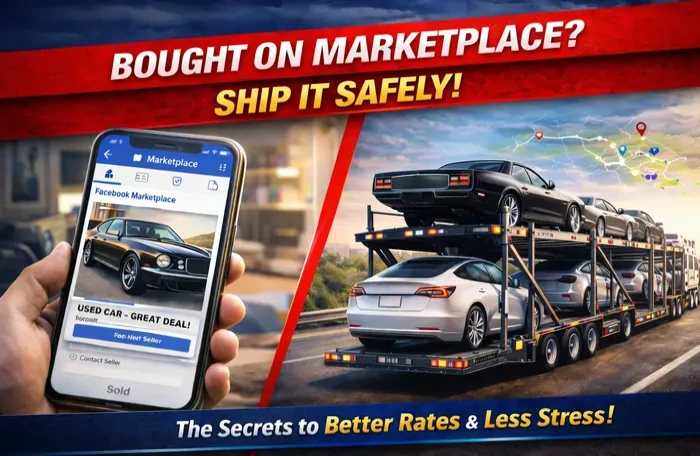



A Facebook Marketplace car deal can feel settled the moment you agree on a price. Shipping is where the loose ends show up. The seller might not be able to transfer the title cleanly. The VIN might not match the paperwork. A transporter might be using someone else’s identity. FMCSA has warned consumers about fraud and identity theft in auto transport, including the misuse of a legitimate company’s USDOT number and broker activity without proper registration.
The easiest way to keep the process clean is to handle this in two tracks.
Ownership track: title, bill of sale, odometer disclosure, lien release, and anything your state needs to register the vehicle.
Transport track: open or enclosed shipping, pickup access, written terms, and condition documentation.
When the ownership track is messy, transport becomes riskier and more expensive to fix after the fact.
Step 1: Confirm the Seller Can Legally Transfer the Vehicle
Even in friendly interactions, always start with the essentials. Verify the seller's legal authority to transfer the title by ensuring the name on the title matches the seller's ID. If a person is "helping a relative sell," they must provide documentation granting them legal signing power.
Cross-reference the Vehicle Identification Number (VIN) in all locations: the VIN on the title must precisely match the VIN on the vehicle. Request clear photos of the VIN, and view any hesitation to provide them as a red flag.
Finally, review the vehicle's title history using the National Motor Vehicle Title Information System (NMVTIS). As recommended by the AAMVA, NMVTIS consumer reports, available through approved providers, offer crucial data such as title information, the most recent odometer reading, brand history, and historical theft data. While this data doesn't replace an in-person inspection, it is invaluable for identifying costly issues before shipping the car.
Step 2: Handle Payment Like a Risk Decision
Remote sales get dangerous when money moves faster than proof. If a seller pushes you to wire funds, slow down. The FTC warns that wire transfers are difficult to reverse once sent and are commonly pushed by scammers to limit recovery options.
If an in-person meeting isn't possible, coordinate the payment with the verification process. Choose a payment method and timing that allows you to maintain leverage until the title and vehicle details are completely confirmed.
Step 3: Gather the Documents That Matter
Transport does not fix paperwork. It only moves the vehicle. These are the documents that keep the sale from falling apart during pickup and delivery.
Signed title: Follow the state’s title format for signatures and required fields.
Odometer disclosure: Often part of the title, sometimes handled on a separate form depending on the state.
Bill of sale: Locks in the date, VIN, buyer and seller details, and price.
Lien release: Needed if a lien exists or was recently paid off.
Power of attorney: Useful when someone else will release the vehicle to the carrier or handle DMV steps.
If the seller is mailing documents, build time into your plan and do not treat “I’ll send it tomorrow” as a completed step.
Step 4: Choose Open or Enclosed Transport
Most Marketplace shipments utilize one of two primary transport methods. Open transport is the standard and most economical option, suitable for daily drivers. Enclosed transport, offering greater protection from road debris and weather, is typically selected for higher-value vehicles or those requiring maximum preservation. Electric vehicles (EVs) are transported using these same standard options: open or enclosed.
Step 5: Plan Pickup and Delivery Access
Many customers prefer Door-to-Door Service (Location Permitting). It means pickup and delivery as close as legally and safely possible, not a promise that a large truck can enter every neighborhood.
Tight streets, low bridges, limited turn radius, and parking restrictions often force a nearby meeting point. A clean plan includes a pickup contact who can move the vehicle to that meeting point if needed.
Step 6: Verify the Transport Company Before Pickup
A professional-looking quote can sometimes be fraudulent, which is a common way buyers are scammed. A critical and practical verification routine involves the following steps:
Identify the Company's Role (Carrier or Broker): Clearly establish if the company is the direct shipping carrier or a freight broker arranging the transport. If a broker is used, you must obtain the details of the actual carrier before the vehicle is picked up.
Consult FMCSA Records (Safety and History): Immediately check the Federal Motor Carrier Safety Administration (FMCSA) Company Snapshot. This resource is essential for reviewing critical data, including official identification (USDOT/MC numbers), inspection and out-of-service summaries, crash history, and the company's safety rating.
Cross-Reference and Validate Key Details: Rigorously compare the company's name, USDOT or MC identifiers, and phone number on the quote with the corresponding information found in the official FMCSA records.
If any of the key details fail to match, you must independently verify the discrepancy and confirm the legitimacy of the company before you authorize dispatching your vehicle.
Step 7: Get the Important Terms in Writing
Before the vehicle is dispatched, you should have written terms that cover:
Rate terms and what triggers changes
What “dispatched” means in their process
Cancellation terms, including that cancellation without charge can only occur if the vehicle has not been dispatched
Cargo coverage details and exclusions
Written terms reduce misunderstandings and make disputes easier to resolve.
Step 8: Document Condition at Pickup and Delivery
Condition disputes are decided by documentation, not memory.
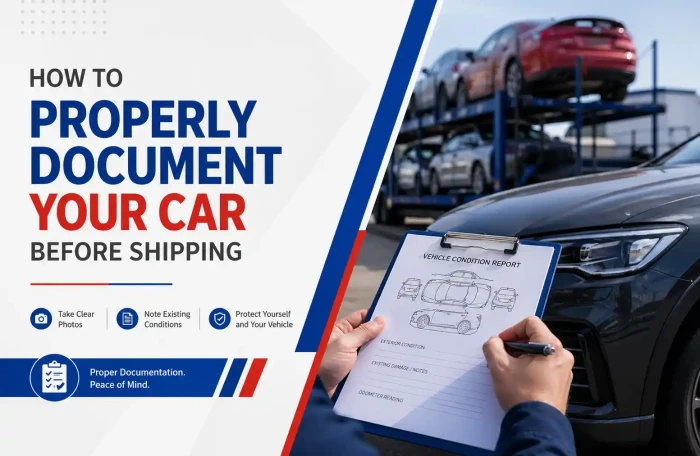
Take a time-stamped photo set and a short walkaround video in good light before loading. Make sure existing chips, scratches, dents, and cracked glass are written on the pickup paperwork.
At delivery, inspect before signing. If you see damage, photograph it immediately and make sure it is written on the delivery paperwork.
For interstate transportation, the bill of lading matters. Federal law ties carrier liability to the receipt or bill of lading for property received for interstate transportation.
Vehicle Prep That Prevents Pickup Problems
These small details cause a surprising number of delays when they are skipped.
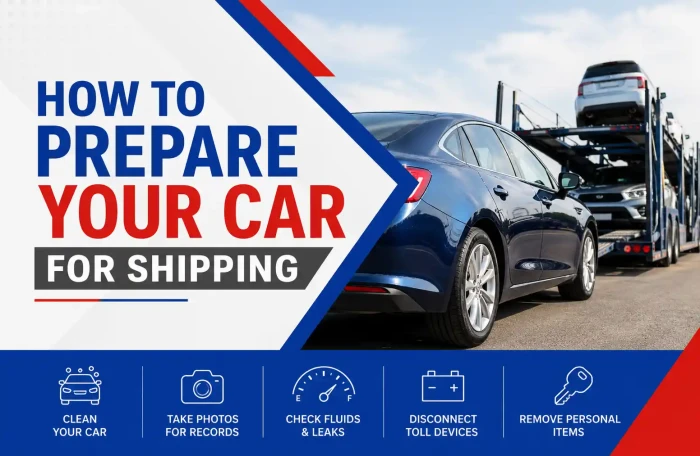
Keys available: Drivers need keys for loading and unloading.
Fuel kept low: Many carriers prefer about a quarter tank.
Alarms addressed: Disable alarms or provide instructions to avoid battery drain.
Exterior cleaned: Clean photos make inspections faster and clearer.
Ready to Ship Your Facebook Marketplace Car?
If you already have the pickup and delivery ZIP codes, you can get a market-based estimate from AmeriFreight Auto Transport in a couple of minutes when you use the Car Shipping Cost Calculator.
If you want to talk it through, a customer service agent can help you compare open vs enclosed, confirm pickup and delivery access, and make sure the details match what carriers need.
No upfront payment until you choose a carrier.
Disclaimer: This article is for informational and advisory purposes only and does not constitute legal, financial, or professional advice.