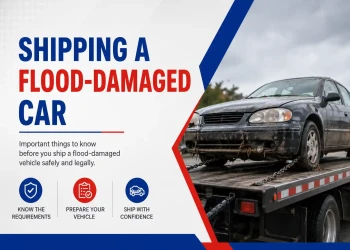
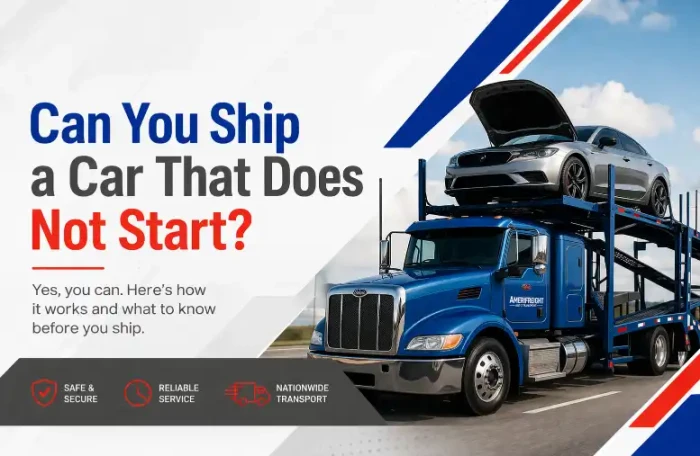



Yes, you can ship a car that does not start, but it changes the entire shipping process. Standard auto transport is built around speed. Drivers drive cars onto a trailer, tie them down, and head to the next stop. A car that will not start forces the driver to stop and use specialized equipment. You are no longer just shipping a vehicle. You are paying for a mechanical recovery.
The RSB Standard: Roll, Steer, and Brake
The US auto transport market is projected to reach $468.2 million in 2026. This growing market handles a large number of non-running vehicles, largely driven by the fact that the average vehicle age in the United States is 12.5 years. Logistics professionals evaluate specific mechanical functions to determine equipment needs. They rely on the RSB standard, which stands for the ability to:
Roll
Steer
Brake
A car with a blown engine but inflated tires and working steering is a routine job for a winch. A car with seized brakes or a locked steering column requires entirely different equipment. Tell the carrier exactly what works so they send the right truck.
A large number of cars labeled as non-running simply need a jump. If a mechanic can start the car just long enough to drive it onto the trailer and off again at delivery, you bypass the inoperable classification completely. Buying a portable lithium-ion jump starter is almost always cheaper than paying the inoperable rate.
Winches, Weight, and Federal Law
The primary tool for pulling a dead car onto a trailer is a powered winch. Only about 33 percent of standard open carriers have one installed. This limits your options to the small subset of trucks that can physically handle your car. A smaller pool of capable trucks directly increases your dwell time. Dwell time is the duration your vehicle sits at a location waiting for a transport truck to arrive.
If the vehicle cannot roll, the carrier must use wheel dollies or a rollback tow truck with a tilting bed to position the car for ground-level loading. For severely damaged salvage cars, a yard might use a forklift to load the vehicle. This carries a high risk of undercarriage damage.
Loading the car is only the first step. The Federal Motor Carrier Safety Administration enforces strict cargo securement rules. A driver cannot use the winch cable to hold the car in place during transit. They must use independent straps with a verified working load limit. The total strength of these straps must equal 50 percent or more of the total vehicle weight.
Electric vehicles introduce a serious weight challenge. You must use standard open or enclosed trailers. Special hybrid carriers are not an option. The extreme weight of an electric vehicle battery turns a dead car into a heavy load that pushes an open trailer near its legal weight limits. Damaged lithium-ion batteries also carry the risk of thermal runaway. This dangerous state of battery failure frequently requires carriers to use specialized fire-safe enclosed trailers.
Navigating Salvage Yards and Fees
Many non-running cars come from salvage auctions. Buyers conducted 67 percent of North American salvage auction transactions entirely online in 2025. This means owners regularly hire transport for vehicles they have never seen in person.
These facilities typically allow two to five days to remove the car before charging daily storage fees. A slight delay at the yard will result in an auction storage penalty of $40 to $100 per day.
Your driver needs exact documentation to pick up the car. If they arrive without the following items, the yard will turn them away:
The lot number
Your buyer number
The correct gate PIN
The carrier will then bill you for a dry run, which is a failed pickup attempt resulting from a lack of readiness or missing paperwork.
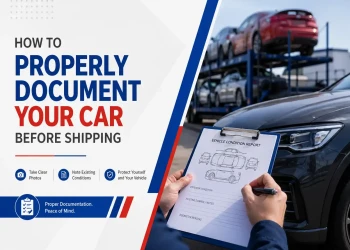
Before the car leaves the yard, the driver fills out a bill of lading. This legal document details the contract of carriage and notes the physical condition of the car. Make sure the driver photographs high-risk areas like rocker panels and transmission pans before loading.
Market Costs and Final Preparation
Transporting a dead vehicle requires matching your exact mechanical problem with a specific type of truck. Consider these baseline market costs:
Standard inoperable fee: $150 to $350
Complex recovery fee: $300 to $500 (for forklift or enclosed liftgate use)
Diesel fuel benchmark: $3.90 to $4.40 per gallon (March 2026 EIA data, which can trigger temporary surcharges)
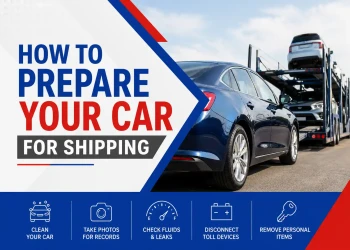
To prevent delays and extra fees, complete this pre-transport checklist:
Test the battery: A simple jump start can remove the non-running status.
Check tire pressure: Inflated tires allow the car to roll onto a winch-equipped trailer.
Secure loose parts: Tie down hanging bumpers or loose interior panels so they do not fly off on the highway.
Confirm yard documentation: Provide the driver with all necessary lot and buyer numbers.
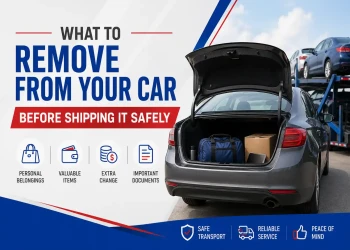
The Department of Transportation strictly limits personal items in shipped vehicles. You cannot pack parts or personal items inside a dead vehicle to save money on moving costs. Some carriers might allow a few things in the trunk for an extra fee, but you must arrange this in advance.
Exact quotes and firm pickup dates are rare in this scenario. Fix minor issues if possible and communicate the precise condition of the car. Accurate information prevents delays, rejected loads, and unexpected fees on delivery day.
Weighing the True Cost of Transport
Moving a vehicle that cannot move itself comes down to a calculation of time, equipment, and labor. The process strips away the standard conveniences of auto transport and replaces them with specialized logistics.
Before committing to a transport contract, assess the vehicle's true mechanical state. A minor fix, like a battery swap or a cheap set of inflated tires, changes the entire logistical profile and frequently saves hundreds of dollars in surcharges. When repairs are impossible, success relies entirely on communicating the exact condition of the vehicle to secure the precise equipment needed. You are paying for a specialized recovery, and clarity is your best defense against delays, rejected loads, and unexpected fees.