


The salvage auction market in 2026 is driven by scale, speed, and digital access. Inventory that once moved almost exclusively between insurers, dealers, and wholesalers is now visible to the public through broker platforms. AutoBidMaster operates as a licensed Copart broker, positioning itself directly inside that shift toward broader access.
As the U.S. auction market continues to expand at a projected four percent compound annual rate through 2030, more vehicles are flowing into digital wholesale channels. AutoBidMaster lists more than 500,000 vehicles at any given time, functioning as a structured entry point into that growing supply.
Access is broad. The structure behind it is where the real evaluation begins.

AutoBidMaster 2026 Ratings Summary
Our 2026 ratings assess the factors that most affect cost, risk, flexibility, and usability. Categories focus on access, pricing, fee structure, logistics, vehicle risk, competition, and customer experience.
How AutoBidMaster Works

AutoBidMaster connects retail buyers to Copart’s dealer-only auctions through its licensed broker status. Users create an account, choose a membership tier, and submit a refundable security deposit set at 10 percent of their desired bidding limit. That deposit establishes their Buyer Power.
Members then browse inventory by filtering for make, model, damage type, title status, and location. Bids can be placed in live auctions or submitted in advance. If a bid wins, payment is due within firm deadlines to avoid penalties. Once funds are received, the broker processes the title transfer, and the vehicle must be removed within the yard’s storage timeframe.
After release, buyers coordinate shipping through integrated logistics services or arrange transport independently. The platform provides access to auctions and handles compliance. Cost control, condition evaluation, and resale or rebuild strategy remain the buyer’s responsibility.
Access Comes With Structure
Inventory is geographically dense in key states. California has 22 yards, Texas 18, Florida 13, and Georgia 11. Location influences more than convenience. It affects transport cost, competition levels, and even damage trends. Southeastern facilities often carry more flood-damaged inventory. Western locations frequently show higher volumes of theft recovery and cleaner-title units.

AutoBidMaster Membership Fees and Bidding Limits
AutoBidMaster membership fees in 2026 are tiered. Basic costs $35 per year, Advanced costs $189 per year, and Premium costs $349 per year. Guest accounts can place bids up to $1,200. Basic members can bid up to $2,200. Advanced and Premium tiers remove most functional bidding caps.
Transaction Fees and the Full Cost Picture
The 2026 transaction fee schedule uses a sliding model. Advanced members pay $299 or less than five percent of the purchase price. Premium members pay $250, or less than four percent of the total.
Those percentages matter more as vehicle prices rise.
Payment deadlines are firm. A $ 50-per-day late-payment fee applies once a deadline is missed. Storage penalties can reach up to $30 per day after short grace periods. These charges are not unusual. They are standard auction mechanics.
ClearVin Reports and Condition Risk
ClearVin history reports are integrated into the platform and draw on NMVTIS-authorized data provider records, allowing buyers to review title brands, lien history, and prior auction activity before placing a bid.
This level of data reduces blind spots, but it does not eliminate mechanical uncertainty. Vehicles are sold as-is, and cosmetic damage may not reflect deeper structural or electrical issues. Electric vehicles add another layer of complexity, particularly when battery condition or total loss classifications are involved.
Where AutoBidMaster Stands: Advantages and Tradeoffs
Pros
Expanded Public Access: Opens participation in large-scale salvage auctions to individuals who would otherwise be excluded.
High Inventory Turnover: A steady flow of new listings increases the likelihood of finding specific makes, trims, or harder-to-source units.
Export-Friendly Infrastructure: Built-in international logistics coordination supports buyers operating outside the United States.
Volume Incentives for Repeat Buyers: Fee structures reward consistent purchasing activity, improving efficiency for small dealers and resellers.
Global Operational Footprint: International presence and multilingual support extend usability beyond the domestic market.
Expanded Public Access: Opens participation in large-scale salvage auctions to individuals who would otherwise be excluded.
High Inventory Turnover: A steady flow of new listings increases the likelihood of finding specific makes, trims, or harder-to-source units.
Export-Friendly Infrastructure: Built-in international logistics coordination supports buyers operating outside the United States.
Volume Incentives for Repeat Buyers: Fee structures reward consistent purchasing activity, improving efficiency for small dealers and resellers.
Global Operational Footprint: International presence and multilingual support extend usability beyond the domestic market.
Cons
No Physical Inspection Standard: Unless a buyer visits the yard or hires a third-party inspection, purchases rely primarily on photos and condition notes.
Title Processing Variability: Processing timelines can differ based on state regulations and documentation flow.
Capital Tied Up During Transactions: Funds remain committed throughout bidding, payment, and vehicle release timelines.
Limited Post-Sale Flexibility: Auction transactions are final, leaving little recourse if the condition differs from expectations.
Market-Driven Price Pressure: Competitive bidding activity can compress margins, particularly in high-demand vehicle categories.
No Physical Inspection Standard: Unless a buyer visits the yard or hires a third-party inspection, purchases rely primarily on photos and condition notes.
Title Processing Variability: Processing timelines can differ based on state regulations and documentation flow.
Capital Tied Up During Transactions: Funds remain committed throughout bidding, payment, and vehicle release timelines.
Limited Post-Sale Flexibility: Auction transactions are final, leaving little recourse if the condition differs from expectations.
Market-Driven Price Pressure: Competitive bidding activity can compress margins, particularly in high-demand vehicle categories.
Shipping After the Auction with AmeriFreight Auto Transport
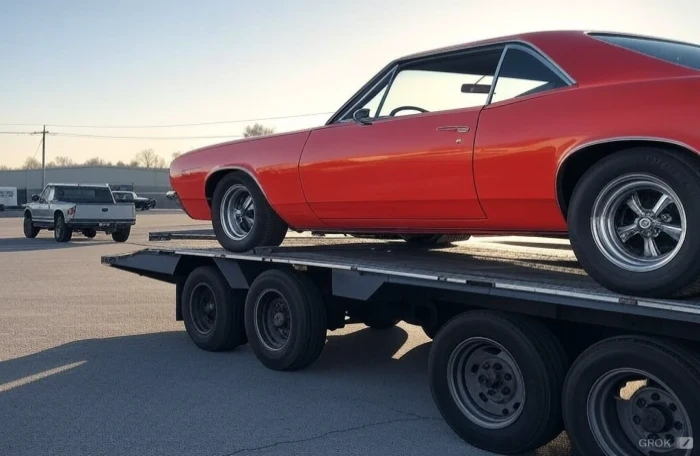
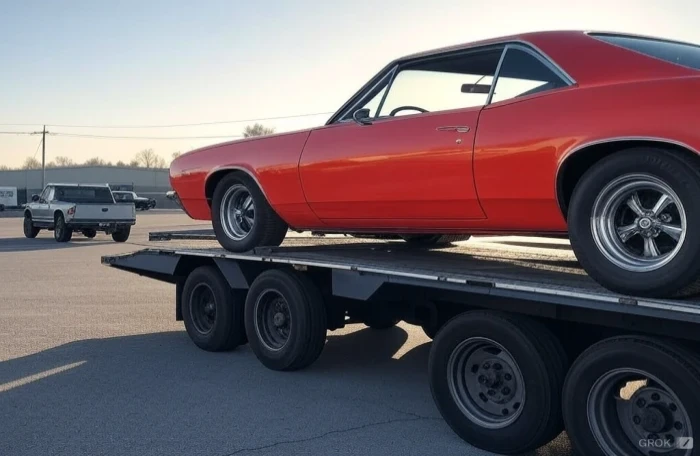
Once a vehicle clears the auction yard, transport becomes the next critical step. AmeriFreight Auto Transport is a top-rated auto transport broker that coordinates shipping through a carefully screened network of carriers.
We vet carriers based on safety records, active authority status, insurance coverage, performance history, and compliance standards. Only carriers that meet internal qualification benchmarks are dispatched.
For auction buyers, shipping is a separate cost from bidding fees and repairs. Working with a vetted carrier network helps protect that investment once the vehicle leaves the yard.