

Copart operates as a large-scale online auto auction platform that connects sellers with a global network of buyers. Pricing at auction represents only one part of the transaction, while total cost is influenced by additional fees, logistics, and market competition.
Copart operates more than 250 locations across 11 countries, including the United States, Canada, the United Kingdom, Brazil, Ireland, Germany, Finland, the UAE, Oman, Bahrain, and Spain. Its reach extends to more than 1,000,000 members across 185 countries, and it sells more than 4,000,000 vehicles annually.
That level of scale changes how auctions behave. You are not competing locally. You are participating in a global marketplace where buyers with different goals and cost structures influence final prices.

Copart 2026 Ratings Summary
This evaluation reflects how Copart performs across the factors that most influence decisions in online auto auctions, including cost clarity, access, risk, and operational efficiency.
The Platform Looks Simple: The System Is Not
At its core, Copart functions as a high-volume remarketing system for insurance companies, financial institutions, and fleet operators. Vehicles move quickly through the platform, and the process reflects that priority.
The company’s financials reinforce how established and efficient that system has become. In Q2 2026, Copart generated $1.1 billion in revenue. Over a six-month period ending January 2026, revenue reached $2.3 billion, with net income of $754.4 million.
Market capitalization stands at $31.6 billion, supported by $10.59 billion in total assets and only $96.1 million in debt. These figures point to a company built for consistency and scale rather than flexibility.
Pricing Only Makes Sense When You Calculate the Full Cost
Copart fees in 2026 are where many buyers lose clarity. The winning bid is only one part of the equation, and it is often the smallest part when everything is added together.
These numbers reshape how a deal should be evaluated. A vehicle that appears inexpensive at auction can approach or exceed retail pricing once fees, repairs, and transportation are included.
Copart Membership: Accessible, but Not Fully Open
Copart membership is structured to be easy to enter but more restrictive in practice. A Basic membership costs $99 per year, while a Premier membership costs $249 annually and requires a $400 refundable deposit. Premier access allows higher bidding limits and fewer restrictions, which is why most active buyers operate at that level.

The larger constraint comes from licensing. Many salvage title cars and rebuildable vehicles require a dealer or dismantler license. Without it, inventory access becomes limited. Some buyers work around this by hiring a broker, which allows them to participate in restricted auctions but adds fees and coordination.
The common question about buying without a dealer license usually leads here. It is possible, but it adds another layer of cost and complexity that must be factored into every purchase.
Technology Improves Visibility Without Eliminating Risk
Copart has invested heavily in tools like Copart 360 and AI-driven inspection systems. These features allow buyers to examine vehicles more closely through detailed imaging, including 360-degree views and enhanced zoom capabilities.
AI inspection tools now account for roughly 30 percent of higher-tier evaluations, helping identify damage that might otherwise go unnoticed. Electric vehicle listings have also improved, with battery state-of-health reports that include capacity levels, thermal history, and system diagnostics.
Despite these improvements, uncertainty remains part of the process. A vehicle labeled as “run and drive” simply means it moved under its own power at intake. It does not confirm reliability or road readiness. Structural damage, electrical issues, and hidden wear can still exist beyond what images and reports reveal.
Timing Rules Shape the Entire Experience
The platform's pace is strict, and that affects every step after a winning bid. Payment is expected within a short window, typically three business days. Once that window closes, penalties begin.
Storage fees accumulate quickly if the vehicle is not removed, and extended delays can result in relisting with additional financial penalties tied to the original bid. This structure leaves little room for hesitation. Buyers who enter without a clear plan for payment and removal often end up absorbing unnecessary costs.

Transport Is Not Optional: It Is Immediate
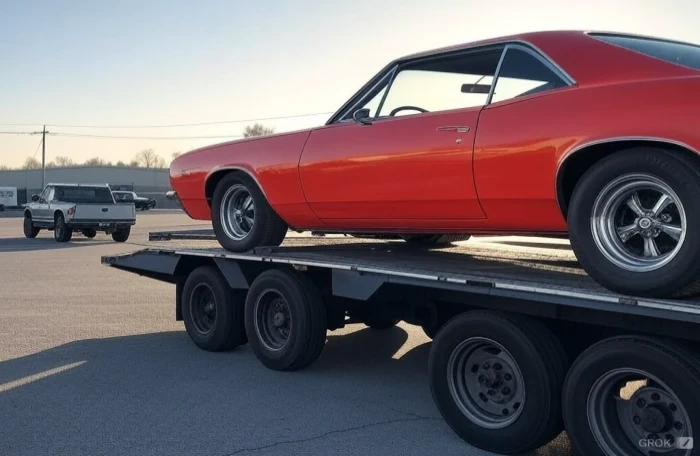
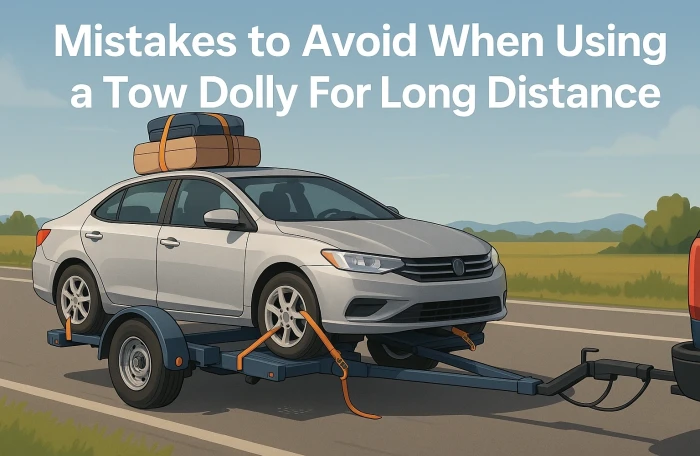
Copart does not handle vehicle transportation. That responsibility shifts to the buyer as soon as the auction ends. This is where many decisions become practical rather than theoretical. Coordinating transport quickly is necessary to avoid storage fees and logistical delays.
AmeriFreight Auto Transport is one option buyers often consider when arranging shipping. We are one of the best reviewed in the industry, and we operate with no upfront payment until you choose a carrier. That approach can help when timing is tight, and details are still being finalized.
Global Demand Influences Every Final Price
The broader market for online auto auctions continues to expand. In 2026, the global online salvage market is valued at approximately $12.78 billion, with projected growth rates ranging from 8.8 percent to 17.6 percent over the coming years.
That growth affects how vehicles are priced. Buyers from different regions evaluate value differently, especially in markets where repair costs are lower or demand for specific models is higher.
Export considerations also play a role. In some regions, such as parts of West Africa, import duties can reach up to 50 percent. Even with those costs, international buyers may still find value, which keeps bidding competitive across many listings.
Where Buyers Run Into Trouble
Challenges tend to follow predictable patterns. A vehicle may appear affordable at auction, but fees, repairs, and transportation costs can drive the total cost beyond expectations.
The average salvage vehicle is around 9.4 years old, which introduces wear that may not be visible in listing photos. Title issues can delay resale or complicate registration. Documentation timelines can stretch longer than anticipated, affecting how quickly a vehicle can be sold or used. These factors are not exceptions. They are part of the environment.
The Reality of Copart in 2026
Copart remains one of the most advanced and widely used platforms for salvage vehicle auctions. Its scale, technology, and financial strength support that position. The underlying dynamic has not changed. Vehicles are sold as-is in a fast-moving environment where timing, cost awareness, and experience determine results.
Buyers who approach the process with a clear understanding of fees, logistics, and risk can find real value. Those who rely on the initial price without considering the full picture often reach a different conclusion.
Where AmeriFreight Auto Transport Fits in the Process
The moment a vehicle is won at auction, the responsibility shifts from bidding to execution. Payment deadlines are tight, and removal windows are short. This is where transportation becomes part of the decision, not a separate step after the fact.
AmeriFreight Auto Transport fits into this stage by helping coordinate vehicle shipments nationwide once the purchase is complete. Carriers are vetted for reliability and performance. That screening process matters when timing is limited, and delays can trigger additional fees. Once a carrier is selected, coordination begins around pickup scheduling and delivery, with Door-to-Door Service (Location Permitting) depending on access at both ends.
At this stage, the goal is not only to move the vehicle. It is to do it within the required timeframe so storage fees and penalties do not start accumulating. For buyers who are already managing costs from auction fees and repairs, that coordination can make a measurable difference in the final outcome.
Disclaimer
This content is for informational purposes only and reflects general observations about Copart’s platform as of 2026. Auction terms, fees, and processes may change without notice. Buyers are responsible for verifying all details directly with Copart.