


Salvage Bid Auctions: Tips & Best Practices
A salvage vehicle can be an excellent value or an expensive mistake. The difference usually comes down to research, budgeting, and discipline. Salvage auctions move quickly, and the winning bidder assumes responsibility for every issue the vehicle has, including problems that may not be obvious from the listing.
At the same time, salvage vehicles have become more complicated to evaluate. Modern cars contain advanced driver assistance systems (ADAS), sensors, cameras, and computerized control modules that can make even moderate damage expensive to repair. Industry data shows that total loss frequency has risen in recent years as repair costs continue climbing and more vehicles require specialized calibrations after a collision. As a result, vehicles that might have been repaired years ago are now more likely to enter salvage auctions.
For buyers who understand the process, however, salvage auctions can still offer opportunities. The key is knowing how to evaluate risk before the bidding begins.

Why Salvage Vehicles End Up at Auctions
A salvage title generally means an insurance company determined that repairing the vehicle was not economically practical under state guidelines. Those guidelines vary by state, which is why two vehicles with similar damage may receive different title classifications depending on where they are located.
Vehicles enter salvage auctions for many reasons, including collision damage, flood damage, hail damage, theft recovery damage, vandalism, and fire damage. In some cases, the visible damage looks relatively minor. In others, the vehicle may have severe structural or mechanical issues.
Most salvage inventory is sold through major auction platforms such as Copart and IAA. Vehicles are typically sold as-is without warranties, which helps explain why auction prices often appear significantly lower than comparable retail listings.
While the lower entry cost attracts many buyers, salvage vehicles are generally best suited for experienced mechanics, professional rebuilders, body shops, and buyers looking for parts. Anyone searching for a dependable daily driver should approach salvage auctions carefully and understand the risks involved before placing a bid.
The Title Brand Matters More Than the Vehicle
Before evaluating damage, always verify the title status. A vehicle's title brand affects registration requirements, insurance options, financing opportunities, and future resale value.
A rebuilt title remains part of the vehicle's history permanently. Even after repairs are completed and inspections are passed, buyers should expect a rebuilt vehicle to be worth less than a similar vehicle with a clean title.
State regulations differ significantly. For example, some states use a percentage of a vehicle's pre-damage value when determining whether it becomes salvage, while others focus on the overall economics of the repair. Reviewing your state's requirements before bidding can prevent costly surprises later.
Start With the Vehicle History

The fastest way to avoid a bad purchase is to verify the vehicle's history before bidding.
Begin by running the VIN through trusted sources such as NMVTIS, NICB VINCheck, Carfax, or AutoCheck. These reports can reveal previous salvage branding, theft records, title discrepancies, flood history, odometer issues, and prior insurance claims.
The National Motor Vehicle Title Information System (NMVTIS) plays an especially important role because it helps prevent title washing and fraud. Insurance companies, salvage operators, and other reporting entities submit vehicle information to the database, creating a valuable record of a vehicle's history.
While reviewing the auction listing, pay close attention to the VIN status. If the VIN is marked as altered, damaged, missing, or retagged, additional investigation is warranted. Registration problems and ownership disputes can quickly eliminate any savings you hoped to gain at auction.
Read Auction Listings Like a Professional Buyer
Experienced buyers focus on a handful of details that reveal most of the risk associated with a salvage vehicle.
Run & Drive Status
A "Run & Drive" designation means the vehicle started, shifted into gear, and moved under its own power when it was processed by the auction yard.
Although that information is helpful, it should not be mistaken for proof that the vehicle is mechanically sound or roadworthy.
Airbag Status
Airbag deployment can significantly increase repair costs. Replacing modern airbag systems often involves more than installing new airbags. Crash sensors, seatbelt pretensioners, control modules, steering-wheel components, and calibration procedures may all need attention before the vehicle can return to the road.
Loss Type
The cause of the total loss deserves close attention. Collision damage is often easier to assess than flood or fire damage, which can create hidden problems that appear long after repairs have been completed.
Odometer Information
Mileage remains an important factor in resale value. Vehicles with verified actual mileage generally attract stronger buyer interest than those with mileage discrepancies or branded odometer histories.
Photos Often Tell the Real Story
Although an in-person inspection is ideal, many successful buyers rely on photographs, condition reports, and vehicle history data. In those situations, the listing photos become one of the most important tools available.
Pay close attention to:
Uneven body panel gaps
Paint color mismatches
Overspray on trim pieces
Bent suspension components
Fluid leaks
Missing engine-bay components
Water lines inside the cabin
Rust on seat tracks
Moisture inside headlights or taillights
Mold or corrosion
Small details often reveal larger problems. Uneven gaps around doors, hoods, and trunk lids may indicate structural damage or poor prior repairs. Paint inconsistencies can suggest bodywork that was never disclosed in the auction description.
When undercarriage photos are available, inspect them carefully. Bent control arms, scraped frame rails, damaged suspension mounts, and dented fuel tanks can indicate a much harder impact than exterior photos suggest.
For higher-value purchases, hiring a third-party inspector can provide an additional layer of protection and help identify issues that may not be obvious from photographs alone.
Damage Categories That Deserve Extra Caution
Certain types of damage carry substantially more risk than others.
Flood Damage
Flood vehicles remain one of the riskiest categories in salvage auctions because water can affect nearly every major system in the vehicle. Wiring, sensors, control modules, airbags, and safety equipment may appear functional during an initial inspection yet develop problems months later.
Signs of flood damage include:
Mud or silt deposits
Mold odors
Corrosion on fasteners
Damp carpeting
Water staining inside the cabin
Rust on seat tracks
Moisture trapped inside lighting assemblies
Saltwater exposure deserves particular caution since corrosion can continue spreading long after repairs are completed.
Fire Damage
Fire damage can compromise structural components, wiring harnesses, insulation, interior materials, and electronic systems. Even vehicles with limited visible burn damage may require extensive repairs beneath the surface.
Structural Damage
Vehicles with bent frame rails, buckled pillars, crushed crumple zones, or severe unibody damage often present the biggest challenges. While some structural damage can be repaired, costs can escalate quickly and resale value frequently remains affected.
Electric Vehicle Damage
Electric vehicles require a different level of scrutiny. Impact near the battery pack, damaged battery enclosures, coolant leaks, warning lights, and isolation faults can dramatically increase repair costs. In some cases, battery-related repairs alone can exceed the value of the vehicle.

Build the Budget Before the Auction Starts
Successful salvage buyers determine their maximum bid before the auction begins.
Rather than focusing solely on the purchase price, work backward from the vehicle's estimated value after repairs and include every expense involved in the project.
Your calculations should account for:
Purchase price
Buyer's premium
Auction fees
Transport costs
Parts
Labor
Paint and materials
ADAS calibrations
Diagnostic scans
Wheel alignment
Inspection fees
Title fees
Even the most careful estimates can miss hidden damage. For that reason, many experienced buyers add a contingency reserve of 15% to 25% to their repair budget.
Without a realistic budget, a vehicle that initially appears profitable can quickly become a costly project.
Understand the Real Cost of Modern Repairs
Modern repair costs extend well beyond visible body damage.
Advanced driver assistance systems now appear on a growing share of repair estimates. Cameras, radar units, sensors, and computerized safety systems often require recalibration after repairs are completed. What appears to be a simple bumper replacement may involve specialized diagnostic equipment, software procedures, and calibration services that add hundreds or even thousands of dollars to the final bill.
Airbag repairs can create similar surprises. Once deployment occurs, replacing the complete system often requires substantially more work than many buyers expect.
Labor costs have also increased. Vehicles built with aluminum components, advanced manufacturing methods, or specialized structural materials frequently require repair techniques that are more expensive than traditional bodywork.
Understanding these costs before bidding helps prevent unpleasant surprises after the vehicle arrives at the repair facility.
Smart Bidding Wins More Often Than Aggressive Bidding
Successful buyers focus less on winning auctions and more on protecting their margins. A vehicle is only a good purchase when the numbers still make sense after repairs, fees, transportation, and title-related expenses are included.
Use Comparable Sales
Review recently sold vehicles with similar mileage, title status, equipment, and damage levels. Comparable sales provide a realistic picture of market value and help prevent overly optimistic assumptions.
Set A Ceiling And Respect It
Establish your maximum bid before the auction begins and treat it as a firm limit. Once bidding exceeds that number, move on to the next opportunity.
Many costly mistakes occur when buyers abandon their original calculations and start bidding emotionally.
Use Proxy Bidding Carefully
Many experienced buyers rely on proxy bidding to reduce emotional decision-making during competitive auctions. By setting a maximum bid in advance, buyers allow the system to bid automatically without getting caught up in the excitement of the auction.
Pay Attention To Dealer Behavior
Experienced rebuilders often recognize high-risk vehicles quickly. Watching which vehicles attract little interest from professional buyers can provide valuable insight into potential problems.
Fees Can Change The Entire Deal
Auction fees catch many first-time buyers off guard.
Common charges include:
Buyer's premiums
Documentation fees
Gate fees
Release fees
Sales tax where applicable
Storage fees
Buyer's premiums alone can add a meaningful percentage to the final purchase price. Storage fees can become equally expensive if pickup deadlines are missed.
Before placing a bid, calculate every fee that could affect your final cost. The winning bid is only one part of the total investment.
Common Mistakes That Cost Buyers Money
Several mistakes appear repeatedly among first-time salvage buyers.
Skipping VIN Research
A vehicle that looks clean in photographs may still have significant title, theft, flood, or ownership issues.
Underestimating Electronics
Modern vehicles contain complex electronic systems that can dramatically increase repair costs.
Forgetting Transport Costs
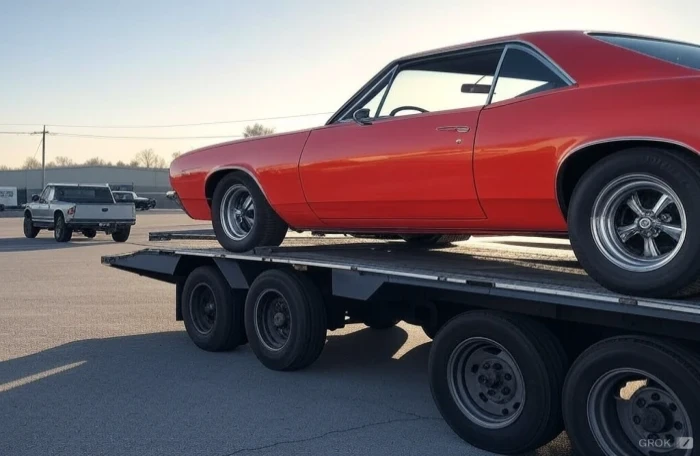
Salvage vehicles often require specialized transport, particularly when they cannot start, steer, or brake.
Ignoring Hidden Damage
Visible damage rarely tells the entire story. Additional issues often appear once repairs begin and damaged components are removed.
Chasing Bids
Competitive auctions can encourage emotional decisions that undermine a carefully planned budget.
Assuming Insurance Will Be Simple
Insurance options vary by company, vehicle history, and state regulations. Confirming available coverage before purchasing a vehicle can help avoid complications later.
Getting Your Auction Purchase Home
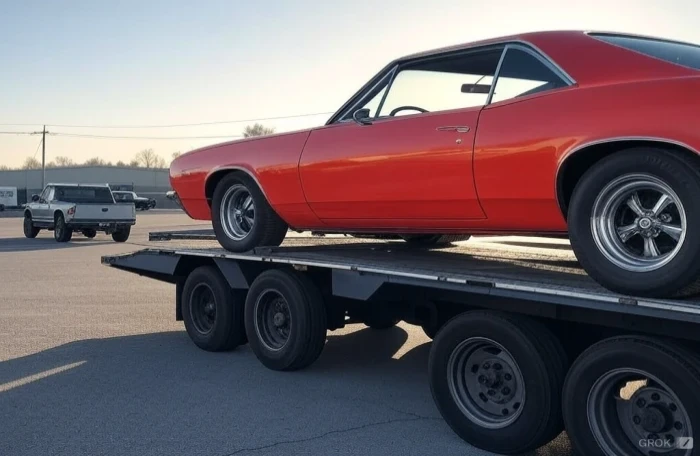
Many salvage vehicles cannot be legally or safely driven after purchase, which makes transportation an important part of the planning process.
When requesting transport quotes, provide accurate information about the vehicle's condition, including whether it is inoperable, lacks brakes, cannot steer, requires a forklift, or needs winch assistance.
Accurate details help ensure the carrier arrives with the proper equipment and reduce the likelihood of delays at pickup.
Auction facilities often have strict release procedures and limited pickup windows. Missing paperwork or waiting too long to schedule transport can lead to storage charges that increase the overall cost of the purchase.
Most non-running vehicles can be transported on open carriers equipped with winches. However, severely damaged vehicles or vehicles with unusual loading requirements may need specialized equipment.
AmeriFreight Auto Transport works with a network of vetted, DOT-authorized carriers experienced in transporting salvage vehicles, auction purchases, and non-running vehicles that require specialized loading equipment. Get your quote now!