

Handing over the keys to a vehicle requires a profound leap of trust. For most people, a car is one of their most valuable assets, yet the mechanics of moving it across the country remain opaque. The freight industry does not operate like a standard moving company or a parcel delivery service. Successfully navigating auto transport means understanding the logistical constraints, recognizing where financial liability actually rests, and actively protecting yourself before the carrier ever arrives.
The Reality of Freight Pricing and Quotes
Navigating the $53.81 billion US auto transport sector requires understanding how carriers manage their fleets and route pricing. This is the first crucial step to a successful vehicle shipment. When you request a quote from AmeriFreight Auto Transport, you are tapping into a network of more than 15,000 active registered brokers and independent carriers bidding on specific routes. Prices fluctuate daily based on fuel costs, seasonal demand, and available truck space. Diesel fuel accounts for nearly a third of a carrier's marginal operating costs, meaning slight spikes at the pump translate instantly to higher shipping rates.
We do not offer exact quotes for this exact reason. Shipping rates follow predictable seasonal waves rather than static pricing charts. The snowbird migration in October causes a massive surge in volume along the East Coast, particularly for routes heading from the Northeast to Florida. The summer months represent the peak relocation season for families and military personnel, leading to even fiercer competition for carriers. Per-mile rates decrease as distance increases, reflecting the economies of scale where fixed costs like loading and administrative paperwork are spread over more miles. For context, a typical cross-country open transport spanning 2,500 to 3,000 miles runs between $1,200 and $1,500. Upgrading to an enclosed carrier adds a 40 to 50 percent surcharge to that base rate.
Market Capacity and the Driver Shortage
The industry is currently navigating a severe capacity shortage that directly impacts how quickly a vehicle can be dispatched. Recent federal enforcement against commercial driver training mills and stricter English proficiency standards have removed tens of thousands of unqualified drivers from the road. More than 7,000 training schools have been closed. These closures resulted in the immediate removal of more than 90,000 commercial driver's licenses nationwide. Stricter English proficiency standards have also taken a toll, forcing an additional 10,000 drivers out of service by the end of 2025. When major carriers exit the market or driver supply tightens, the remaining trucks absorb the demand. You are competing for limited trailer space against a backdrop of tightened capacity and heightened insurance premiums.
Avoiding Lead Farms and Fraudulent Operators
The transport market is saturated with lead-farming websites that collect your information and sell it to dozens of brokers, resulting in a barrage of unsolicited calls. Reputable companies operate transparently. Be extremely cautious of any operator that fails to provide a written estimate, answers the phone with a generic greeting, or demands cash before a dispatch. Those lowball offers often mask hidden fees that appear right before delivery. You will have no upfront payment until you choose a carrier.
Personal Belongings and Household Relocations
A common misunderstanding involves treating a vehicle like a moving box. The DOT does not permit personal items to be shipped in vehicles on commercial auto carriers. If you are hiring moving companies for a relocation, keep those services completely separate. We only assist with vehicle transportation, not household goods. If a few personal items are allowed by a carrier, it is usually for an extra fee and must be discussed beforehand. Standard carrier policies explicitly exclude personal belongings left inside the vehicle from liability coverage.
Cargo Liability and the Carmack Amendment
Federal law, specifically the Carmack Amendment, governs interstate carrier liability. While it establishes a strict liability standard, holding a carrier accountable requires proving the vehicle was in good condition at pickup and damaged upon delivery. Under federal guidelines, you must file a written claim within nine months of any loss.
Many people assume their vehicle is protected against any possible scenario during transit. While the sector maintains a remarkably low 3 percent average damage claim rate, understanding your coverage is essential. Federal law requires motor carriers to hold a minimum of $750,000 in public liability coverage alongside their cargo coverage. These limits are often shared across the entire trailer rather than applied per vehicle. A carrier hauling ten vehicles might have a cargo policy with a $100,000 limit that effectively leaves each car with only $10,000 of coverage in a total loss scenario. AmeriFreight does not offer insurance. We provide AFTA plans that serve as optional gap protection plans. Only AFTA coverage recipients have 48 hours to report damages. For everyone else, documenting the vehicle condition at the exact moment of drop-off is critical.
Preparing the Vehicle for Handover
The physical handover of your car requires specific preparation to protect you from liability disputes. Wash your vehicle inside and out before the driver arrives to ensure existing scratches or dents are clearly visible for the pre-shipping inspection. Take high-resolution, date-stamped photos of the roof, wheels, bumpers, and odometer. You also need to check for mechanical leaks. Carriers will routinely refuse to load a vehicle leaking fluid to protect the other cars on the lower deck.
Keep exactly one-quarter tank of gas in the vehicle. This provides enough fuel for the driver to safely load and unload the car while minimizing excess weight on the trailer. Exterior accessories like bike racks or non-retractable antennas should be removed to prevent damage from wind resistance. Disable all aftermarket alarms and anti-theft systems to prevent draining the battery during transit.
Electric Vehicle Constraints
The transport of electric vehicles introduces new complexities regarding weight and safety. EVs are significantly heavier than standard combustion vehicles, which strains carrier capacity and dictates careful load planning to maintain trailer stability. Carriers specializing in EVs often require battery transparency, including state-of-health diagnostics and clear range estimates, before accepting a load. For electric vehicles, only standard transport options are available: open and enclosed. There are no hybrid-equipped carriers for EVs.
Electronic Tolls and Automated Transponders
An electronic toll pass left attached to the windshield registers charges across multiple state lines as the transport passes under gantries. Remove all automated toll tags, parking passes, and gate clickers before handing over the vehicle. The carrier will require a physical key to steer and position the car on the trailer. Ensure you keep a spare set for yourself to avoid complications at your destination.
Inoperable Vehicles and Winch Requirements
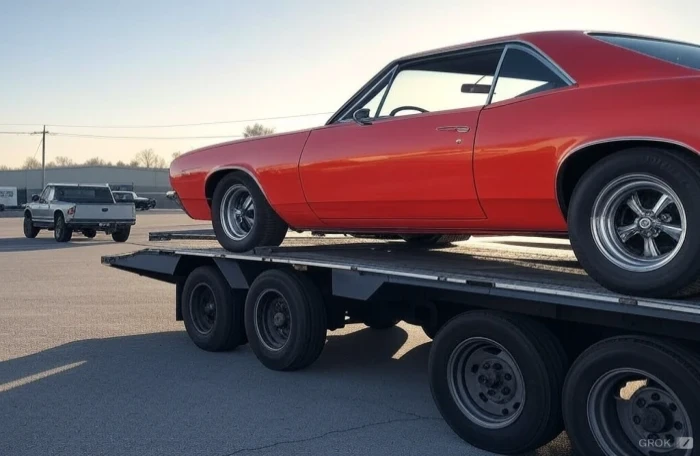
A vehicle that cannot start, steer, or brake requires specialized equipment to load. If your car is inoperable, you must disclose this when arranging the transport. Carriers need a winch to pull a non-running vehicle onto the trailer, which involves an additional fee. Attempting to hide a mechanical failure to secure a standard rate will result in the driver refusing the load upon arrival.
Route Limitations and Transit Timelines
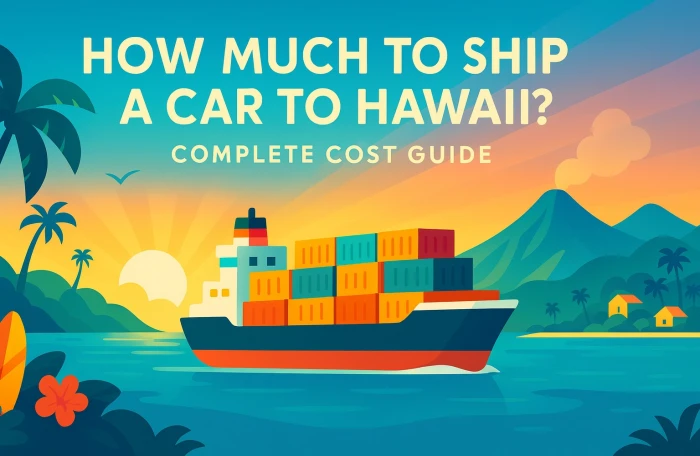
While 95 percent of retail customers request direct delivery, logistical limitations dictate how and when your car arrives. We offer Door-to-Door Service (Location Permitting). Narrow residential streets or low-hanging branches often force drivers to meet you in a nearby commercial parking lot. Our routing network focuses on standard domestic lanes. We do not offer terminal-to-terminal, international, airfreight, or shipping by train. Shipping to Alaska is not available. Shipping to Hawaii is not available. Delivery is only to a California port for Hawaii-bound vehicles, but we provide trusted ocean freight shipper options such as Matson to complete that journey.
Carriers are legally restricted by an 11-hour daily driving limit and an 80,000-pound maximum fully loaded trailer weight. Weather conditions, weigh station delays, and mechanical issues mean you should never expect a strict arrival time, even with an industry-wide on-time delivery rate of 92 percent. Expedited shipping does not guarantee pickup or delivery dates. Real-time GPS tracking is not offered. You will coordinate directly with the driver or our customer service agents for status updates while the vehicle is in transit. If your plans change unexpectedly, remember that cancellation without charge can only occur if the vehicle has not been dispatched.
The Bill of Lading and Final Inspection
The most important document in the entire process is the Bill of Lading. The industry is rapidly shifting toward digital tracking, with adoption rates for the electronic Bill of Lading reaching 60 percent, allowing many drivers to record photo-verified inspections on their devices. This form serves as both a receipt and a binding inspection report. You must review the driver's notes carefully before signing it at pickup. If the driver marks preexisting damage that does not exist, correct it immediately on the paper or digital form. At delivery, inspect the vehicle in good lighting before signing the final release. Signing the document without noting new damage legally absolves the carrier of liability for the transport.
Final Accountability and Protective Mindset
The journey does not end when the truck pulls into your destination. The final moments of the transport dictate the success of the entire endeavor. Maintaining vigilance during the delivery phase ensures that you are not left absorbing the cost of unseen transit damage. Treat the arrival with the same level of scrutiny as the initial handover. When you understand the strict operational boundaries of freight logistics, you stop relying on assumptions and start making decisions that actively protect your vehicle.
Securing Your Vehicle Shipment
When you are ready to move your car, partner with a team that understands the complexities of the freight market. AmeriFreight Auto Transport strictly specializes in vehicle transportation, ensuring your car is handled correctly without the operational distractions of household moving services. Recognized as one of the best reviewed in the industry, our customer service agents focus on transparency and logistical integrity. You will have no upfront payment until you choose a carrier. Connect with our team to begin planning your auto shipment safely and effectively.