



Auto Transport Myths Uncovered: Understanding Tracking & Delivery
Moving a vehicle involves managing an 80,000-pound rolling liability across multiple state lines and weather systems. Most first-time shippers approach the car shipping process with expectations built by modern parcel delivery networks. When shipping a car to another state, the reality of commercial auto transport operates under a strict web of federal regulations, physical limitations, and unpredictable highway logistics.
Understanding how this ecosystem actually functions protects you from predatory promises and logistical nightmares. Every assumption about how cross-country car shipping works carries a financial and operational consequence.
Auto Transport Transit Times and the Myth of Exact Scheduling
People expect a car to move across the country with the predictable rhythm of a parcel delivery. The logistics of moving a two-ton machine on an 80-foot trailer dictate a different reality. AmeriFreight Auto Transport, one of the best reviewed in the industry, operates within the strict physical and legal boundaries of commercial freight. Expedited shipping does not guarantee pickup or delivery dates.
Delivery dates for vehicle transport services are always estimates. Commercial car haulers travel 400 to 500 miles per day. Federal Motor Carrier Safety Administration rules limit drivers to 11 hours on the road followed by 10 mandatory hours of rest. A driver hitting traffic or encountering severe weather must stop when their clock runs out. The logistical friction of loading and unloading up to nine other vehicles adds unpredictable hours to a vehicle shipping route. Each stop requires careful maneuvering and securing of multiple cars. This makes rigid delivery dates impossible.

The Illusion of the Dedicated Route
A common misconception is that a truck picks up your vehicle and drives directly to your final address. A standard auto transport trailer holds multiple vehicles heading to different regions. The driver plots a route based on fuel efficiency and the geographic clustering of other pickups and drop-offs. Your car might travel 100 miles north before the truck eventually turns west to accommodate another customer. This hub-and-spoke logistics model is exactly what keeps the cost to ship a car relatively affordable. Hiring a dedicated truck for a single vehicle across the country would cost thousands of dollars more.
Weather Disruptions and Highway Auto Transport Logistics
Weather-related events account for 23 percent of all roadway delays according to the Federal Highway Administration. Dispatchers at auto transport companies cannot override nature. A winter snowstorm across the Midwest or hurricane season in the Southeast completely stalls car shipping networks.
Carriers will park their rigs to protect the loaded vehicles and themselves from hazardous road conditions. You must plan for extended transit times during these severe weather windows. Forcing a driver through a storm risks catastrophic damage to the freight and violates basic safety protocols.

The Limits of Vehicle Tracking During Car Transport
Customers often ask for a live dot on a map. Real-time GPS tracking is not offered for auto transport. Drivers utilize an Electronic Logging Device to monitor their driving hours for legal compliance. These hardware systems do not plug into consumer-facing applications. Customers receive milestone updates from customer service agents at key points during the vehicle shipping journey.
Commercial trucks providing auto transport services navigate vast stretches of rural highways and mountainous terrain where cellular signals drop for hours. Providing a live dot on a map sets a false expectation of constant connectivity. Relying on milestone updates protects driver privacy and prevents unnecessary panic during natural signal blackouts.
The Network of Independent Owner-Operators
Consumers frequently assume large auto transport companies own massive fleets of trucks in every major city. The industry actually relies heavily on independent owner-operators.
An auto transport broker operates as a logistical matchmaker. We evaluate the safety records and federal compliance of these independent drivers through FMCSA registration databases before dispatching your vehicle. This localized network of independent truckers allows cars to move from remote rural towns that a massive corporate fleet would ignore.

Car Shipping Costs and Auto Transport Quotes
Quoting algorithms often mislead consumers into expecting a locked price for auto transport services. We do not offer exact quotes. Auto transport is a live market dependent on seasonal demand and carrier availability.
Early booking does not save money. The market dictates the final rate at the time of dispatch. You can find detailed pricing information at [invalid URL removed]. There is no upfront payment until you choose a carrier. Cancellation without charge can only occur if the vehicle has not been dispatched.
The Snowbird Effect on Car Shipping Costs
Demand dictates pricing in the auto transport industry. The annual snowbird migration sends thousands of vehicles from the Northeast to Florida and Arizona every autumn. This massive directional shift absorbs available carriers.
Finding a spot on a truck heading south in November costs significantly more than making the exact same trip in July. The reverse happens in the spring when residents return north. Understanding these regional volume spikes helps you anticipate the true cost to ship a car across the country.
The Reality of Door-to-Door Car Shipping
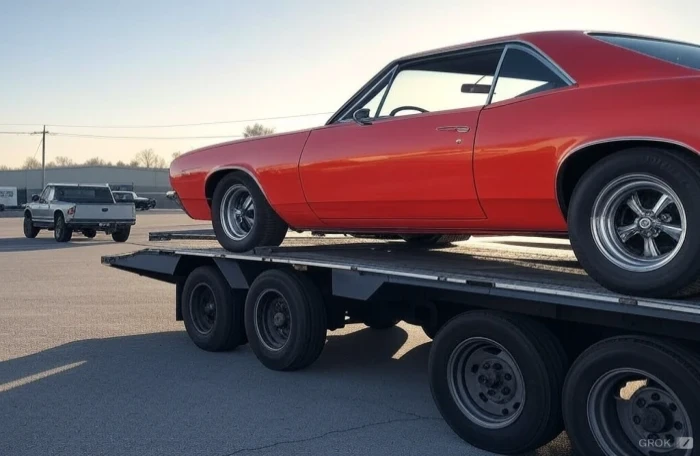
A common assumption is that a car transport carrier will pull directly up to a suburban driveway. We provide Door-to-Door Service (Location Permitting). An open multi-car hauler weighs up to 80,000 pounds and stands nearly 14 feet tall. These trucks physically cannot navigate narrow residential streets, tight cul-de-sacs, or neighborhoods with strict homeowner association weight limits.
Low-hanging branches present a severe risk to the vehicles loaded on the top deck. A driver providing door-to-door car transport facing an inaccessible street will arrange to meet you at a nearby large parking lot or shopping center. Service is always location-permitting rather than promised to a specific address. A 50-mile detour is sometimes required to safely position the rig for offloading without risking property damage.
Open Auto Transport Trailer Placement and Road Debris
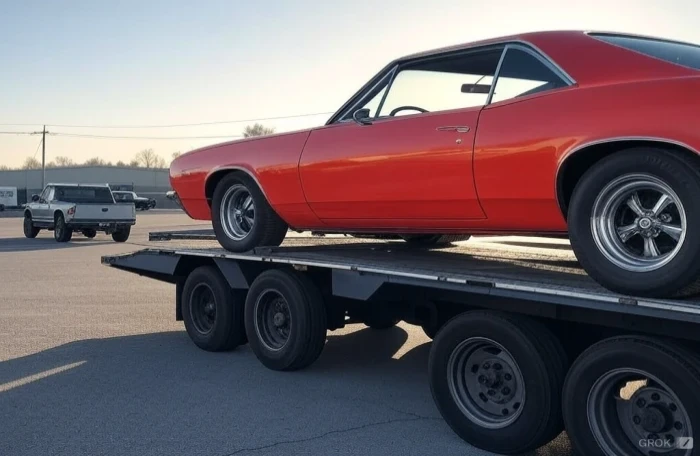
Many owners demand their car ride on the top deck of an open auto transport carrier to avoid dripping fluids from older vehicles above. Modern multi-car haulers utilize drip pans and secure ramps to protect lower-deck cargo. Requesting a top load is possible but restricts car shipping options and increases the price. The physical dimensions of your vehicle often dictate its placement on an open car carrier. A heavy SUV must sit in specific lower positions to maintain the trailer's center of gravity and comply with federal bridge laws. The driver retains final authority over the loading configuration to ensure highway safety.
Shipping a Non-Running Vehicle Across the Country
People assume a car simply rolls onto a transport trailer regardless of its mechanical state. Shipping a non-running vehicle with a dead battery, flat tires, or engine failure requires specialized loading equipment. Drivers must use a winch to pull an inoperable car up the ramps. This physical effort alters the loading timeline and restricts which car shipping companies or independent trucks can accept the job. You must disclose the exact condition of the vehicle before booking.
A car that cannot steer or brake safely poses a hazard to the driver and other vehicles on the trailer. Securing a winch-equipped carrier usually adds cost to the final vehicle transport rate.
Fuel Weight and Vehicle Preparation for Auto Shipping
A common assumption is that a vehicle should be shipped with a full tank of gas. A full tank adds more than 100 pounds of unnecessary weight to the car carrier. Multi-car haulers operate under strict Department of Transportation weight limits. Excess weight across nine vehicles forces a driver to burn more fuel and risk fines at highway weigh stations.
You should leave the tank at one-quarter full when preparing your car for shipping. This provides enough fuel to drive the car onto the trailer and reach a gas station after delivery. Lower fuel levels also mitigate safety risks during transit.
Preparing the Exterior for Inspection
Shippers often spend money on professional detailing before handing over the keys to a driver. An open car carrier exposes vehicles to rain, dust, and highway grime. The car will arrive dirty regardless of how clean it was at the starting line.
The only real requirement is washing the exterior enough to complete a thorough Bill of Lading inspection. A layer of mud hides existing scratches and dents. You should clean the paint to accurately document the baseline condition, but you can confidently skip the expensive professional wax treatment.
Vehicle Transportation Versus Moving Household Goods
Using a car as a moving box seems like an efficient way to relocate. The Department of Transportation does not permit personal items to be shipped in vehicles on auto carriers. We only assist with vehicle transportation, not household goods. A car packed with heavy boxes alters the weight distribution of the auto transport trailer. Overweight vehicles face strict fines at weigh stations and can cause the entire car shipping transport to be delayed. Items left loose in a cabin become projectiles during transit and can shatter windows.
Some individual carriers might allow a small amount of items in the trunk for an extra fee. This must be discussed and approved beforehand. Carriers carry their own liability coverage for the vehicle itself, not for personal electronics or clothing left inside.
Transporting Electric Vehicles Using Standard Carriers
Electric vehicle owners frequently look for specialized hybrid-equipped carriers to ship an electric car. This equipment is not necessary. EVs are shipped using standard auto transport options. You simply choose between open auto transport and enclosed auto transport trailers. The battery weight of an EV is factored into the standard vehicle hauling process without requiring unique trailer technology. Low ground clearance is common on modern electric cars. Standard transport ramps accommodate these dimensions safely. Enclosed car shipping protects the vehicle from road debris and weather. It typically costs 30 to 60 percent more than open transport.
The Bill of Lading and Proper Vehicle Inspection
The terminology surrounding vehicle protection during auto transport causes confusion. AmeriFreight does not offer insurance. Carriers carry their own liability coverage. We offer AFTA plans as optional gap protection plans to provide additional peace of mind. Standard car shipping industry practice requires noting any scratches or dents on the Bill of Lading at the time of delivery.
You must inspect the car immediately. Washing your car before pickup makes existing damage clearly visible to the driver providing the vehicle transport services. Inspecting a dirty car at night conceals fresh scratches and creates disputes. Only AFTA coverage recipients have 48 hours to report damages after the vehicle is dropped off. Signing a clean Bill of Lading releases the carrier from future claims.
Geographic Boundaries and Hawaii Car Shipping Limits
Not every destination is accessible by standard vehicle carrier networks. Options like terminal-to-terminal, international, airfreight, and shipping by train are not offered. Shipping to Alaska is not available. Shipping to Hawaii is not available directly. Delivery is only to a California port. Customers must then use trusted ocean freight shipper options such as Matson to complete the journey across the Pacific. The auto transport industry relies entirely on the National Network of highways for domestic moves.
The Cost of Unrealistic Auto Transport Expectations
Navigating the car transport market requires accepting the boundaries of commercial freight. Demanding rigid schedules or ignoring physical trailer constraints limits your car shipping options and often increases your final price.
A successful vehicle shipment relies on accurate vehicle details, flexibility regarding exact pickup locations, and an understanding of the legal limits placed on drivers. Approaching a move with these logistical realities in mind ensures a smoother transition for a vehicle across the country.