


When you ship a vehicle, you are choosing between two trailer types: open or enclosed. Both move cars safely across the country every day. The difference is exposure, cost, and how much protection your vehicle truly needs.
Most vehicles in the United States travel on open carriers. Industry data consistently shows open transport is the most commonly used method due to cost efficiency and availability, while enclosed shipping serves a smaller, specialized segment of the market. The right choice depends on the vehicle itself and your tolerance for cosmetic risk.
Open Car Carriers: The Industry Standard
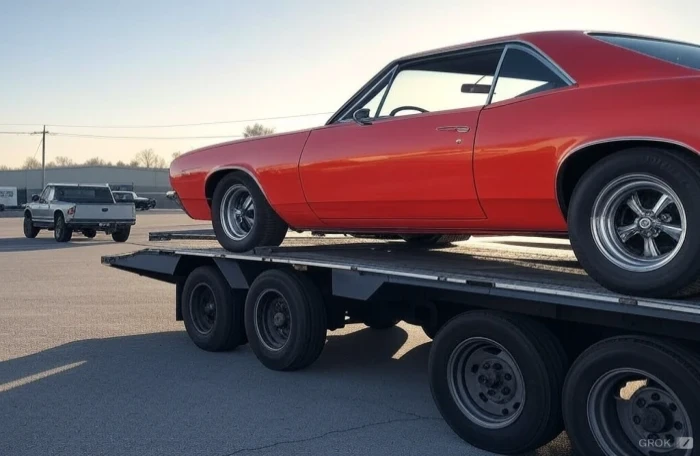
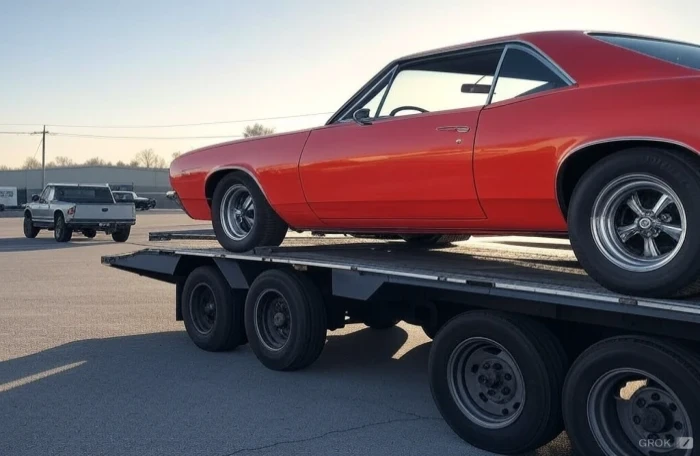
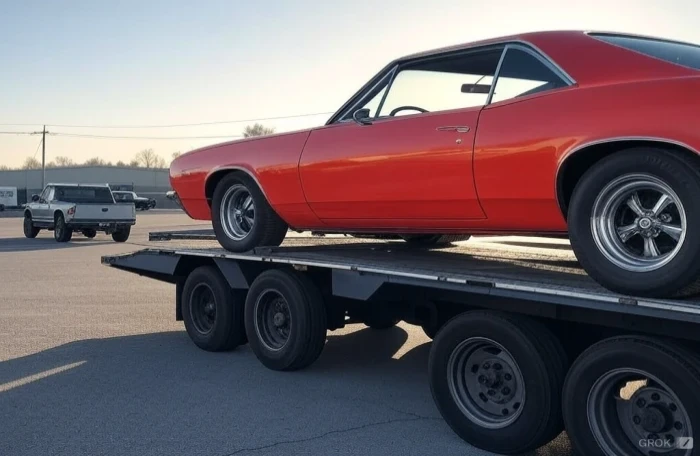
Open carriers are the double deck trailers you see on highways loaded with multiple vehicles. They haul several cars at once, which spreads cost across more customers and is one of the reasons open transport is typically the most cost effective method of moving vehicles over long distances.

Vehicles are secured at all four wheels using professional tie down systems designed to prevent shifting during transit. Federal regulations require proper cargo securement, insurance minimums, and operating authority for licensed carriers. The FMCSA outlines these consumer protections and oversight standards in its automobile transporter advisory.
The tradeoff is exposure. Vehicles on open trailers travel through normal road and weather conditions, which can include rain, dust, and occasional road debris. Federal guidance notes that while incidents during auto transport are relatively uncommon, minor cosmetic issues such as surface dirt or small paint chips are the more typical risks rather than structural damage. For everyday vehicles, this level of risk is generally acceptable.
Open transport works well for standard sedans, SUVs, pickup trucks, relocation moves, and dealer purchases. It is also easier to schedule. There are more open carriers operating nationwide, which improves flexibility in most markets.
For most vehicles, open transport is practical and cost effective.
Enclosed Car Carriers: Protection Above All

Enclosed carriers transport vehicles inside a fully covered trailer, protecting them from weather, road debris, and outside exposure. Industry pricing guides note that customers typically choose enclosed shipping when protection is the top priority, particularly for higher value or specialty vehicles.
Capacity is lower. Some enclosed trailers carry only one or two vehicles. That reduced volume directly impacts pricing.
Many enclosed trailers use hydraulic liftgates to load vehicles on a level platform instead of a steep ramp. This setup is especially helpful for low ground clearance vehicles, since liftgate loading reduces the risk of undercarriage scraping during loading and unloading.
Enclosed transport is typically selected for luxury vehicles, exotic models, classic cars, restorations, and show vehicles where condition preservation directly affects value. Keeping the vehicle out of public view during transit also adds a layer of discretion.
Enclosed shipping is not about basic road safety. It is about minimizing environmental exposure and protecting high value finishes.
Safety Standards and Insurance Requirements
Both open and enclosed carriers operate under federal safety and insurance requirements. The FMSCA requires auto transporters to maintain active operating authority and meet minimum financial responsibility and liability coverage standards in order to legally transport vehicles across state lines.
Auto transport insurance generally applies while the vehicle is in the carrier’s custody, but coverage limits, exclusions, and claim procedures can vary. Consumer guidance recommends confirming what the carrier’s policy covers, reviewing the bill of lading carefully, and understanding how claims must be documented before the vehicle is dispatched.
The structural safety of the trailer does not change between open and enclosed transport. The difference lies in environmental shielding.
Why Enclosed Transport Costs More
Price differences between open and enclosed transport are consistent across the industry. Enclosed shipping commonly costs 30 to 70 percent more than open transport on the same route, depending on distance and vehicle type.
Lower trailer capacity means fewer vehicles share the cost of a trip. Enclosed carriers typically transport significantly fewer vehicles than open multi-car trailers, and industry pricing analyses note that reduced capacity, specialized equipment, and tighter carrier availability all contribute to higher per-vehicle shipping costs.
National pricing guides show typical open carrier rates ranging from several hundred dollars on short routes to over one thousand dollars for longer cross country shipments, with enclosed transport tracking significantly higher on the same routes.
Distance, vehicle size, seasonality, fuel costs, and route demand all influence final pricing. Rates fluctuate throughout the year, especially during peak relocation seasons.
If the vehicle does not require maximum protection, the cost premium may outweigh the benefit.
Non-Running and Oversized Vehicles
Both open and enclosed carriers can transport non-running vehicles, provided the trailer is equipped with a winch. This requirement may affect pricing and carrier selection.
Oversized vehicles such as lifted trucks, extended length vehicles, or heavily modified models require special consideration. Additional space, weight, or height restrictions can change equipment needs and pricing structures
Preparation still plays a role in reducing risk. Industry preparation checklists consistently recommend removing personal items, documenting condition with photos, folding mirrors inward, and keeping the vehicle clean enough for inspection at pickup and delivery.
Choosing Based on Vehicle Value and Risk Tolerance
The most practical way to decide between open and enclosed transport is to evaluate vehicle value and sensitivity to cosmetic exposure.
A standard commuter vehicle with typical market value generally travels well on an open carrier. A rare, restored, or high value vehicle where paint condition directly impacts resale value may justify enclosed transport.
Spending more does not automatically increase structural safety. It increases protection from weather, debris, and outside exposure. The decision should reflect how much cosmetic risk you are willing to accept relative to the vehicle’s value.
Working With AmeriFreight Auto Transport
Once you know which carrier type fits your vehicle, execution matters just as much as selection. The right trailer means little without a properly vetted carrier behind it. AmeriFreight Auto Transport connects customers with licensed carriers that meet federal operating and insurance requirements.
Customer service agents help you weigh open and enclosed options against your vehicle’s value, your budget, and your delivery window.