Get up to 50% OFF Auto Transport! Follow us on social media for an extra $20 OFF – just show proof to qualify.

Can I Ship Personal Belongings In My Car?

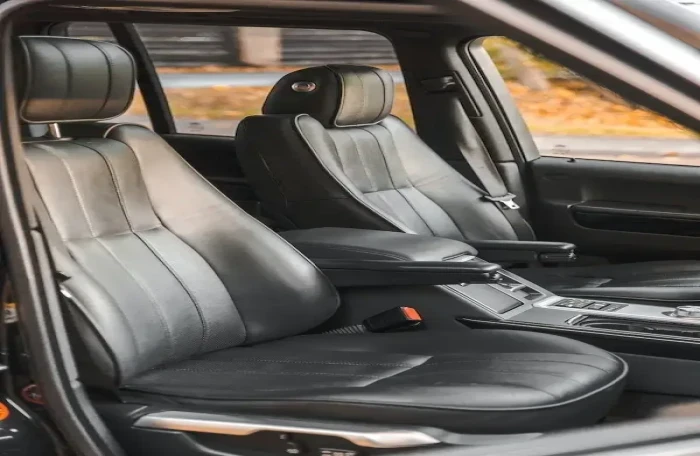
 inside of car small

Yes, some carriers let you ship up to 100 pounds of personal items in the trunk. The DOT technically prohibits belongings in vehicles during transport. But many companies make limited exceptions if you disclose them ahead of time.

When you ship a car with belongings, knowing the rules and how to protect your car and items will save you trouble later. In this article, we’ll walk you through the real rules, what carriers allow, and how you can safely prepare if you decide to ship your car with personal items inside.

What You’ll Learn In This Guide

We are going to answer some important questions about shipping personal items in your car:

  • Can you ship a car with things inside, and what does the law say about it?

  • What do carriers allow, and when might you face extra fees?

  • How can you protect your belongings and your car?

Overview

People often ask, “Can I ship my car with personal items?” and the answer is yes. You can ship personal belongings in your car, but it comes with limits and risks. Rules vary by law, carrier, and item type, so knowing the basics helps you make the best choice.

Here's a more detailed breakdown:

DOT Regulations and Legal Baseline
The Department of Transportation (DOT) bans personal belongings in vehicles because carriers aren’t licensed as movers and can be fined for carrying extra cargo.

Carrier Policies and Exceptions
Many carriers allow small exceptions, often up to 100 pounds in the trunk if items are hidden and not valuable. Some may allow more for a fee, while others allow none.

Weight Considerations and Costs
Extra weight can cause fines, added fees, or even refusal to ship, since trailers already carry the heavy load of several vehicles.

Risks and Smart Packing Practices
Car transport with personal items can cause damage to your car, attract theft, and these items aren’t covered by insurance. Reduce risks by sticking to essentials, keeping them in the trunk, and avoiding valuables or hazardous items.

Best Alternatives to Shipping Personal Items in Your Car
For more belongings, safer choices include enclosed auto transport, hiring movers, or using luggage and parcel shipping services.

Other Notable Considerations

  • Preparing Your Car: Clean it out, disable alarms and toll devices, leave a quarter tank of gas, and check fluids and tires.

  • Documentation: Take dated photos of your car inside and out to protect yourself if damage occurs.

The Department of Transportation (DOT), through the FMCSA, bans personal belongings in cars during transport. Auto carriers aren’t licensed movers, and cargo insurance generally excludes household goods. DOT also enforces weight rules, and personal belongings count toward those limits. That’s why many carriers either don’t allow items or limit them (often ~100 lb in the trunk) and require disclosure.

Carrier Policies: Exceptions to the Rule

6Cip8gAAAAZJREFUAwCsigDJv8UpkQAAAABJRU5ErkJggg==

While the DOT prohibits shipping personal items, many carriers allow limited exceptions. Most follow what’s known as the unwritten "100-Pound" rule. This means you can place up to 100 pounds of belongings in the trunk, as long as you disclose it beforehand.

The items must be:

  • Secured: Packed in a single box or suitcase.

  • Concealed: Stored in the trunk or below the window line.

  • Non-valuable and Non-hazardous: Exclude items like electronics, jewelry, firearms, cash, chemicals, or perishables.

Weight Considerations & Costs

Every car hauler has strict weight limits, and going over them can create major problems. Since trailers already carry the combined weight of multiple vehicles, even a small amount of extra cargo can push them over the legal limit.

Here’s what that means for you:

  • Risk of fines: If the hauler is overweight, the carrier can be fined, and they’ll pass those costs back to you.

  • Extra charges: Exceeding the 100-pound allowance may result in hundreds of dollars in additional fees.

  • Shipment refusal: If the carrier believes your car is overloaded, they can refuse to take it altogether.

Carriers handle personal items differently. Some follow the DOT rule and allow none. Others permit up to 100 pounds in the trunk. A few will accept more for an extra fee. Always confirm with your carrier or broker ahead of time before loading your car.

Risks and Smart Packing Practices

+3Qi1GAAAABklEQVQDANNIXcPxchFyAAAAAElFTkSuQmCC


Shipping a car and belongings together comes with challenges, but knowing the risks and how to pack can make a difference.

The risks include:

  • Car damage: Shifting items can scratch or tear the interior, and insurance won’t cover that damage.

  • Theft: Cars may sit unattended during stops, so anything visible or valuable could be stolen.

  • No insurance coverage: A carrier’s insurance only covers your car, not what’s inside. If your belongings are lost, stolen, or damaged, you’re on your own.

How to reduce those risks:

  • Limit weight: Stick to the common 100-pound trunk allowance.

  • Keep items hidden: Place them in the trunk so they are out of sight.

  • Pack only essentials: Clothes or toiletries are safer choices; avoid bulky or fragile items.

  • Never include valuables: Electronics, jewelry, or important documents should be moved another way.

  • Follow carrier rules: If your carrier sets specific packing or weight requirements, follow them exactly.

Items you should never pack:

  • Illegal or dangerous materials like drugs, alcohol, firearms, explosives, or flammable items.

  • Large or heavy belongings that could overload your car or cause damage.

Best Alternatives to Shipping Personal Items in Your Car

IiAXyAAAAAZJREFUAwBhdqUjFJPWNAAAAABJRU5ErkJggg==


If you need to move more than a small amount of essentials, consider safer options than packing your car.

  • Enclosed auto transport: Offers added protection against weather, theft, and damage. If you must send items inside, this is the safest way.

  • Professional movers: Hire a moving company for furniture, electronics, and valuables. They’re equipped to handle larger loads securely.

  • Luggage or shipping services: Send clothes, toiletries, or essentials through baggage shipping or parcel services so they arrive separately from your car.

Pro Tip: AmeriFreight Auto Transport offers enclosed shipping for added protection. It’s the safest option if you plan to include personal items during transport.

Final Tips: Preparing Your Car for Shipment


ZO+OHwAAAAZJREFUAwAo4KdWGUji8AAAAABJRU5ErkJggg==


Getting your car ready before transport protects both the vehicle and your belongings. Here are the steps to follow:

  • Clean inside and out: Remove electronics, chargers, and loose items. Wash the car so existing scratches or dents are easy to see.

  • Disable alarms and toll devices: This prevents interruptions during transport and avoids unnecessary toll charges.

  • Leave ¼ tank of gas: Enough for loading and unloading, but not so much that it adds weight.

  • Check tires, fluids, and battery: Make sure your car is in good working condition to prevent issues when loading or unloading.

  • Take dated photos: Document the interior and exterior from multiple angles to support any damage claims later.

Final Thoughts: Should You Ship Personal Items in Your Car?

Car shipping with personal items may feel convenient, but convenience doesn’t always equal peace of mind. What seems like a simple way to move a few extras can bring hidden costs and risks you might not expect. From safety concerns to the chance of delays, the decision is less about whether it’s possible and more about whether it’s worth it.

Need To Ship a Car?


AmeriFreight Auto Transport helps coordinate safe, efficient vehicle shipping with clear guidance on what’s allowed. Our team works with licensed, insured carriers and provides support to help you avoid delays, damage, or added costs, including when it comes to personal belongings.


Get a free instant quote now.

Frequently Asked Questions (FAQs)

Can you put stuff in the car when shipping?

You can place some items in your car during shipping, but it’s not recommended, since carriers aren’t licensed to transport personal belongings. Their insurance won’t cover them if something happens.

What happens if my personal items are damaged during transport?

Most auto transport insurance policies do not cover personal items, so if they are damaged or stolen, you may not be compensated. It’s essential to remove valuables and keep only low-risk items in the vehicle.

Will adding personal items increase the cost of car shipping?

Yes, exceeding the vehicle's weight limit due to personal items may lead to additional fees. Always check with your carrier for any weight limitations or restrictions.

What kind of personal items can I ship in my car?

If you do ship personal items, stick to soft, lightweight goods like clothing, towels, or bedding. Avoid heavy, fragile, or valuable items, as these are more likely to cause damage or increase the risk of theft.


Disclaimer

This article is for general information only and not legal advice. The DOT prohibits shipping personal items in vehicles, though some carriers allow small exceptions. Carriers are not movers, and their insurance does not cover belongings left inside a car. Any items shipped are at the owner’s risk. Always confirm rules directly with your carrier or broker.


Arrow

Start your free quote

2
3

Related Posts

Ready to get an estimate from AmeriFreight
Auto Transport? Call us at (770) 486-1010

Get free quote
Footer Top