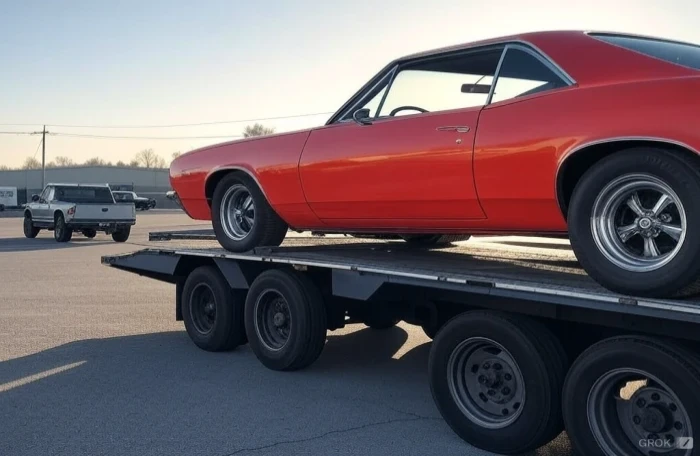


When you ship your car, it’s important to understand how insurance works. Auto transport companies do their best to keep your vehicle safe, but accidents can still happen. Bad weather, road debris, or other unexpected events can cause damage.
Insurance gives you peace of mind by protecting you financially if something goes wrong during shipping.
This guide explains why insurance matters, how it works in car transport, and what types of coverage you can expect.
What You’ll Learn
In this guide, we will answer the following questions:
Why is insurance coverage important during auto transport?
What types of transport insurance are available?
How can you make sure your vehicle is fully protected before shipping?
Overview
Why Insurance Coverage Matters During Auto Transport
Shipping your car across the country can be exciting, but it also comes with some risks. Whether you’re moving for a new job or buying a car online, it’s important to make sure your car is properly protected throughout the journey.
That’s where auto transport insurance comes in. This coverage helps pay for repairs if your vehicle is damaged during shipping, saving you from unexpected out-of-pocket costs.
Types of Auto Transport Insurance
Auto transport insurance typically falls into three main categories. Knowing how each works helps you choose the right protection for your vehicle.
Understanding Deductibles and Coverage Limits
A deductible is the amount you pay out of pocket before the insurance company covers the rest of the damage. For car shipping, deductibles usually range from $200 to $2,000, with $500 being the most common.
When booking, always confirm that:
The policy limit covers the full value of your vehicle.
The deductible amount aligns with your risk tolerance.
The coverage applies during loading, transit, and unloading.
What’s Typically Covered
Most auto transport policies cover:
Damage from accidents or collisions
Road hazards (debris, potholes)
Weather-related incidents (hail, flooding, etc.)
Theft or vandalism (depending on policy terms)
Damage during loading or unloading
Factors That Affect Auto Transport Insurance Costs
Although basic coverage is included in your car shipping quote, certain variables can influence overall transport cost and insurance risk:
Vehicle Value and Condition: Higher-value vehicles cost more to insure and are better protected in enclosed carriers.
Shipping Distance and Route: Longer routes and high-crime or severe-weather areas increase potential exposure.
Seasonal Demand: Summer months (June–August) often bring higher transport volume and slightly higher overall rates.
Carrier Type: Enclosed carriers cost more but provide superior protection from weather and debris.
How To Verify An Auto Transporter's Certificate Of Insurance

Making sure your car shipping company has real, active insurance is one of the most important steps in protecting your vehicle. Here’s how you do it:
Ask for a Certificate of Insurance (COI): Request a copy of the carrier’s or broker’s COI. This document proves their insurance policy is active and valid.
Check the Type of Coverage: Look for Cargo Insurance on the certificate. This is what covers your vehicle if it’s damaged during transport.
Review the Coverage Amount: Make sure the policy limit is enough to cover your car’s full value.
Confirm the Policyholder’s Name: The name listed on the COI should exactly match the carrier or trucking company that will be moving your car.
Use the FMCSA Website: Visit the Federal Motor Carrier Safety Administration (FMCSA) website. Enter the company’s MC Number or USDOT Number to confirm their insurance and bond are active and in compliance with federal law.
Filing a Claim: What to Do If Damage Occurs
If your car arrives with visible damage, don’t panic. Follow these steps immediately:
Inspect your car upon delivery before signing the Bill of Lading (BOL).
Note all damages on the BOL and take clear, time-stamped photos.
Gather supporting documents:
Copy of the BOL
Photos or videos from pickup and delivery
Communication records with the carrier or broker
Payment receipt
Report the claim to the carrier and AmeriFreight as soon as possible, but no later than ten (10) days after delivery.
How do Amerifreight agents support customers during the process?

AmeriFreight agents act as your personal guides during the insurance claim process. They help you communicate with the carrier’s insurance company and make sure your claim is handled correctly.
Here’s how they support you:
Carrier Information: Agents quickly provide the carrier’s official name, MC number, and insurance contact details.
Document Guidance: They explain which documents you need, including the signed Bill of Lading (BOL), Vehicle Inspection Report (VIR), and time-stamped delivery photos.
Claim Process Help: Agents walk you through the carrier’s claim steps and deadlines, which can be short.
Escalation Support: If the insurance company doesn’t respond, AmeriFreight can help you verify documentation or contact the carrier for status updates, but the carrier remains solely responsible for claims resolution..
Top Reasons Car Shipping Insurance Claims Are Denied

When you file a claim for vehicle shipping damage, denials often occur due to paperwork errors or insurance limits. Here are the most common reasons a claim might be rejected:
Damage Not Noted on Delivery: If you don’t list the damage on the Bill of Lading (BOL) or Vehicle Inspection Report (VIR) before the driver leaves, the carrier can say the damage happened after delivery.
Pre-Existing Damage: The carrier’s insurance only covers damage that happens during transport. If the damage was already listed at pickup, the claim won’t be approved.
Personal Items Inside the Vehicle: Cargo insurance covers the vehicle only, not personal belongings or extra parts left inside. Claims for these items are always denied.
Missing or Incomplete Documentation: You must provide clear, time-stamped photos taken right at delivery and file your claim before the carrier’s deadline. Missing evidence or delays can result in denial.
Normal Wear and Tear: Insurance doesn’t cover minor issues like small rock chips, dust, or road grime. Only damage caused by an accident or carrier negligence is eligible.
Final Thoughts: Protect Your Car Every Step of the Way
Insurance plays a vital role in making sure your vehicle stays protected throughout its journey. Whether you’re shipping across the state or across the country, knowing what your insurance covers and where you can add more protection will give you peace of mind.
Ready to Ship a Car?
When you ship with AmeriFreight Auto Transport, you're not only choosing convenience, but also confidence. We coordinate with a thoroughly vetted network of licensed, insured carriers that meet strict federal requirements.
Our team verifies carrier registration and insurance status through FMCSA records before arranging your shipment, so you can focus on what matters most.
Get your free instant quote now.
Frequently Asked Questions (FAQs)
What happens if my car is damaged during shipping?
If your car is damaged during shipping, you can file a claim with the carrier’s insurance using the Bill of Lading and photos as proof.
What is a bill of lading in car shipping?
A Bill of Lading is a legal document that records your car’s condition at pickup and delivery and serves as proof for insurance claims.
Is my personal car insurance valid during transport?
Your personal car insurance may offer limited coverage during transport, but the carrier’s cargo insurance is the primary protection.