

Door to Door Car Shipping - Door to Door Auto Transport
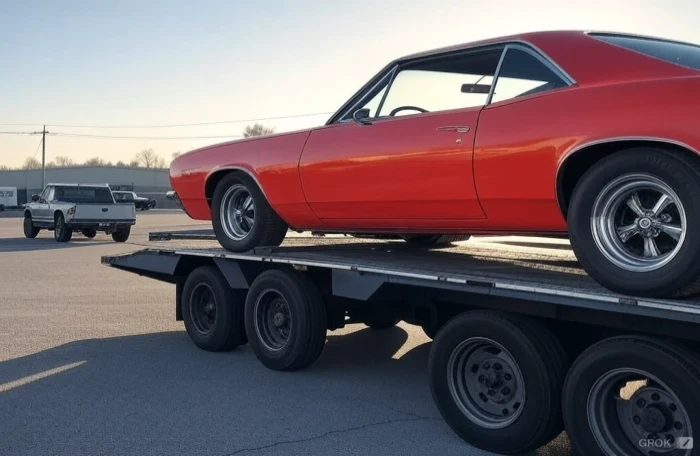
Door to door car shipping simplifies the process by keeping pickup and delivery close to where you actually are. Instead of routing your vehicle through storage terminals or transfer hubs, the carrier moves it along a more direct path from origin to destination.
That reduction in handling makes a real difference. Each time a vehicle is loaded or unloaded, the risk of delays or minor damage increases. A more direct route limits those touchpoints and keeps the vehicle on the same trailer for most of the journey, which helps preserve its condition and reduces unnecessary downtime.
At the same time, this model reflects how modern logistics operates. Direct delivery systems were designed to reduce friction in freight movement, particularly by avoiding terminal delays that slow down traditional transport chains.
What Pickup And Delivery Actually Look Like

Even so, “door-to-door” should be understood as a best-effort service rather than a literal guarantee.
Carriers operate large multi-vehicle trailers that can approach 80 feet in length. Because of that size, they must follow restrictions tied to road width, turning space, and overhead clearance. Residential streets with tight corners or low branches often cannot accommodate this equipment.
When access becomes an issue, the driver will coordinate a nearby meeting point. This is usually a wide street or a commercial parking area where loading can happen safely. While the adjustment is small, it reflects a broader reality in logistics. Last-mile delivery has become the most complex and expensive stage of transport, accounting for a significant share of total shipping costs.
Time Savings Come From Fewer Moving Parts
Terminal-based shipping adds extra layers that tend to slow everything down. Vehicles are dropped off, stored, and then reassigned when another trailer has space, which creates delays that are difficult to control.
Door-to-door transport avoids most of that. Once your vehicle is loaded, it often remains on the same truck until delivery, which removes the waiting tied to terminal scheduling.
That efficiency aligns with broader industry patterns. The U.S. transportation system moves billions of tons of goods each year, and streamlined logistics models continue to gain traction because they reduce idle time and improve throughput.
This structure follows federal requirements. Carriers must issue proper documentation for each shipment to maintain compliance and accountability.
What Determines Cost And Protection Level

Most vehicles ship on open carriers, which remain the standard due to efficiency. Since multiple vehicles share the same trailer, costs are distributed, making this the more economical option.
However, enclosed transport serves a different purpose. It protects the vehicle from weather and road debris while using specialized loading systems for low-clearance cars.
That difference shows up clearly in pricing. Open carriers handle more vehicles per trip, while enclosed carriers move fewer units with more controlled handling.
Across the industry, open transport accounts for the majority of shipments, with estimates placing it at roughly 80 percent of the market.
Preparing Your Vehicle Without Overthinking It
A few practical steps can prevent avoidable issues during transport.
Start by checking the battery, tire pressure, and fluid levels. Any mechanical concerns should be reported in advance so the carrier can plan loading safely.
Fuel should remain at about a quarter tank. Since carriers must stay within federal weight limits, excess fuel adds unnecessary weight without benefit.
Personal items should be removed as well. They are not part of the shipping agreement and can shift during transit.
In addition, folding mirrors, securing loose parts, and disabling alarms helps avoid delays during loading. Taking photos of the vehicle before pickup also creates a clear record of its condition.
For convertibles, the top should be fully closed. If that is not possible, enclosed transport becomes the safer option.
Inspection At Pickup And Delivery Is Not Optional
The inspection process is where most disputes are either avoided or created.
At pickup, you and the driver complete a full walk-around and note any existing damage on the Bill of Lading. This establishes the baseline condition.
At delivery, the same process takes place again. Any new damage must be recorded before signing. Once the document is signed without notes, it confirms that the vehicle was received in the same condition, which makes later claims difficult to support.
This approach aligns with federal consumer protection guidance, which emphasizes proper documentation and inspection as key safeguards in interstate transport.

Where Door-To-Door Shipping Runs Into Limits
Despite its convenience, door-to-door transport still operates within physical and regulatory constraints.
Urban areas increasingly restrict large commercial vehicles through weight limits, delivery windows, and congestion policies. These rules directly affect how close a carrier can get to a specific address.
At the same time, many neighborhoods were not designed for large transport trucks. Narrow streets and limited turning space create natural barriers, which is why nearby meeting points remain a standard part of the process.
Research into urban logistics shows that these access restrictions are becoming more common as cities attempt to manage congestion and environmental impact.
Why Fewer Touchpoints Reduce Risk
Every transfer introduces new variables, including different equipment, different drivers, and different handling conditions.
By keeping the vehicle on the same trailer for longer, door-to-door shipping reduces those variables. The route becomes more direct, and the number of situations where issues can arise is lower.
This approach reflects broader logistics principles. Reducing handling steps has long been a priority in freight systems designed to improve efficiency and reduce damage exposure.
A Practical Way To Move A Vehicle Across The Country
The auto transport industry operates at a large scale, moving millions of vehicles each year and supporting a market valued in the billions.
Within that system, door-to-door service focuses on direct movement rather than centralized handling. For most customers, that translates into fewer logistical steps, clearer coordination, and a process that aligns with how modern relocations are managed.
AmeriFreight Auto Transport applies this approach through experienced carriers and structured communication, keeping the process organized while avoiding unnecessary complexity.
Get Your Car Moving Without The Extra Steps
If you are planning a move or buying a vehicle from another state, door-to-door car shipping keeps the process straightforward and easier to manage.
You can start by reviewing your options or requesting a quote directly through AmeriFreight Auto Transport.