

Sturgis Bike Week 2026: Must-Know Travel Tips & Bike Transport Advice
Sturgis Bike Week 2026 runs from August 7 through August 16. Planning for the Sturgis 86th Anniversary starts with understanding crowd size. The Sturgis Motorcycle Rally 2026 will likely draw more than 537,000 vehicles. According to the South Dakota Department of Revenue, the event brings in $1.58 million in direct tax revenue and recently saw a 32 percent increase in vendors.
The crowd is also changing. The average age is now 50.8. Roughly 12 percent of attendees do not own a motorcycle and come purely for the music and atmosphere. Because of this high demand, one of the most vital Sturgis travel tips 2026 is booking your hotel 9 to 12 months out. Waiting longer severely limits your options and increases costs.
Black Hills Motorcycle Transport
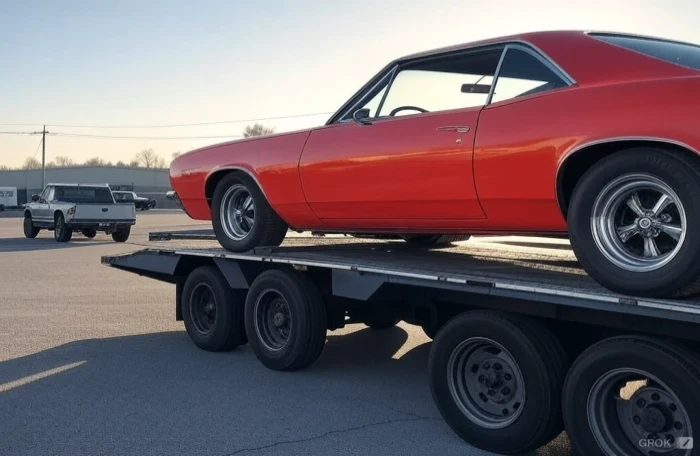
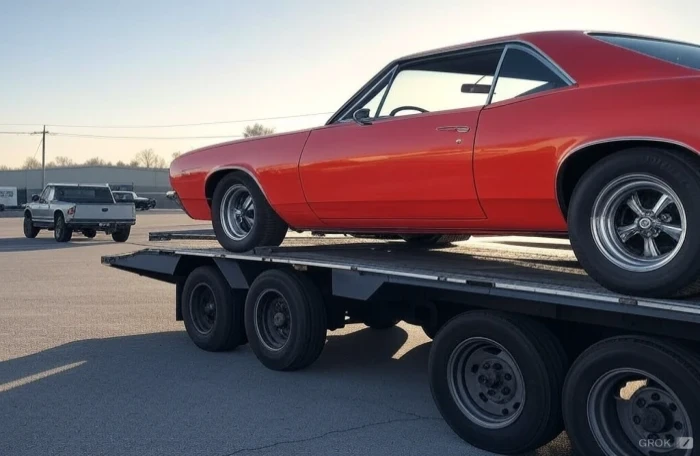
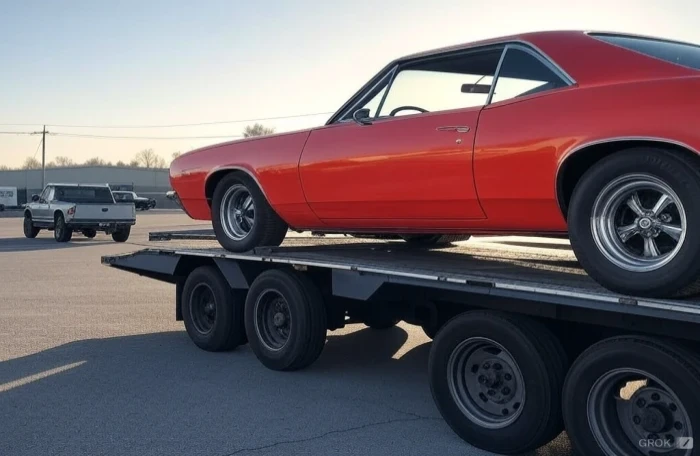
Riding cross-country takes a physical toll. About 38 percent of attendees choose to tow or ship their motorcycles instead. Black Hills motorcycle transport requires a lead time of 4 to 6 weeks. Professional shipping usually costs between $700 and $1,200. Shipping protects custom paint and chrome from road debris and unpredictable weather.
South Dakota Motorcycle Laws
Law enforcement maintains a strict presence. Knowing South Dakota codified laws helps you avoid citations.
Helmets: Mandatory only if you or your passenger are under 18.
Eye protection: Strictly enforced for all riders. You need glasses, goggles, or a face shield unless your motorcycle has a sufficiently tall windshield. Do not wear tinted lenses at night unless they allow more than 35 percent light transmission.
Modifications: Handlebars must sit below your shoulders when seated.
Noise: Your motorcycle needs a working muffler. Police actively write tickets for excessively loud exhaust.
Riding format: You can ride two abreast in a single lane. Lane splitting is illegal.
Venue Restrictions and Local Infrastructure
Campgrounds and city limits enforce distinct rules that dictate your daily routine.
Firearms: The Sturgis Buffalo Chip prohibits firearms on its 600-acre property. You must check weapons at the gate and retrieve them when you leave.
Alcohol: State law treats large campgrounds as licensed premises. Bringing outside alcohol into these areas is illegal and leads to confiscation.
Traffic: You must plan around the Buffalo Chip concert schedule. Headliners draw massive crowds, which causes heavy traffic jams near the exits late at night.
Towing: The City of Sturgis clears Main Street of all motorcycles every morning between 2:00 AM and 6:00 AM for street cleaning. Any motorcycle parked there during those four hours will be towed.
Drones: Flying drones over downtown crowds violates federal aviation rules. The fines can reach hundreds of thousands of dollars.
Riding the Black Hills
Most visitors come for the mountain roads in the Black Hills National Forest. These routes require sharp attention.
Needles Highway features narrow rock tunnels that require careful throttle control and awareness of oncoming traffic. Iron Mountain Road is full of tight pigtail bridges designed for very slow riding. Spearfish Canyon Scenic Byway offers an easier ride with cooler temperatures.
Watch for wildlife. Bison and deer frequently cross the roads near dawn and dusk. The weather also changes fast. Sudden hail and severe lightning strike often in the afternoon. Always pack rain gear when leaving your basecamp.
The Shift from Local Meet to Global Hub
The modern rally barely resembles its origins. When Clarence "Pappy" Hoel and the Jackpine Gypsies organized the first gathering on August 14, 1938, the Black Hills Motor Classic hosted exactly 19 participants focusing on racing and field stunts. Today, attending requires navigating half a million people, complex venue licensing, and intense local enforcement. The sheer scale of the crowds changes the dynamic of the entire region for two weeks.
Those who leave frustrated usually arrive without a solid plan for their lodging, their daily routes, or their transport logistics. Securing these details months in advance separates the attendees who spend their time fighting traffic from the riders who actually experience the Black Hills. The core appeal of the event remains the open road. Accessing those routes now demands a highly structured approach to the reality on the ground.