



The driveway is the most expensive parking spot you own. Every day a car sits idle, it loses value while registration and maintenance costs continue to drain your bank account. If you want to rent out your car, the peer-to-peer car sharing market flips this dynamic. You can transform a depreciating personal asset into a small business. Succeeding in the car rental business requires more than just handing over a set of keys. You have to understand vehicle depreciation, remote operations, and the physical logistics of managing inventory.

Preparing Your Car for the Peer-to-Peer Rental Market
Renters evaluate a vehicle based entirely on the first three photos of a listing. You must strip away your emotional attachment and treat the car as a commercial product. The mechanical baseline requires immediate attention before you can list your car. Peer-to-peer rental platforms impose strict mileage and age limits. Tires must have sufficient tread depth. Check engine lights are immediate disqualifiers. You must also verify that your vehicle has no unresolved safety recalls through the National Highway Traffic Safety Administration (NHTSA) database.
Secure professional exterior and interior photos in neutral lighting. You also need a systematic way to document existing scratches or interior wear. You will rely on these timestamped photos to validate damage claims when the vehicle returns.
Creating a Profitable Car Sharing Listing
A successful listing clearly defines operational boundaries. You must set strict daily mileage limits to control depreciation and protect your profit margins. Specify whether pets are allowed and outline cleaning fees for smoke or severe spills.
You cannot assume a renter will treat your car with the same care you do. Setting explicit rules upfront prevents disputes later. Detail exactly what kind of fuel the car requires. If your vehicle needs premium gas, state that receipts must be left in the center console. Provide clear instructions on how to handle toll roads and parking tickets.

Pricing Strategies to Maximize Rental Income
New hosts frequently assume that setting the lowest price guarantees the highest passive income through sheer volume. A race to the bottom attracts negligent renters and drastically accelerates vehicle wear.
You have to account for that accelerated wear in your daily pricing. Platform fees absorb 15 to 30 percent of your daily rate. Your pricing strategy must adapt to demand. You should establish a baseline rate for weekdays and implement premium pricing for weekends and holidays. Monitoring local commuter demand, nearby events, and airport traffic allows you to adjust prices dynamically to maintain profitability without undercutting your own asset value.
Asset Tracking and Fleet Telematics
Protecting your vehicle while it is in the hands of a stranger requires dedicated hardware. Relying on factory vehicle tracking is insufficient if a renter unplugs the battery or disables the dashboard screen. A hardwired telematics device hidden beneath the dashboard allows you to monitor speeding, hard braking, and geographical boundaries. You use this rental data to intervene if a guest violates your operational rules. Knowing exactly where your car is located during a trip is the only way to recover an unreturned vehicle quickly.

Automating the Vehicle Handover Process
Passive income in the car sharing market still requires active management. Physical key handovers create massive friction. Coordinating schedules with a renter limits your booking volume and consumes your personal time.
Successful hosts automate the exchange. Installing a secure window-mounted lockbox or an invisible digital relay allows verified renters to unlock the car remotely. You simply verify their driver license photos through the platform app before providing the secure access code. Having pre-written message templates for check-in instructions, checkout procedures, and review requests ensures you maintain a high response rate without constantly typing on your phone.
Managing Rental Expenses and Administrative Overhead
A high-volume rental operation generates significant paperwork. Renters will inevitably drive through toll booths and trigger red light cameras. You must install a dedicated toll transponder registered to your business account to track these specific trip expenses accurately. When a citation arrives in the mail weeks after a trip concludes, you will use the rental platform to invoice the guest. Failing to process these invoices promptly will silently erode your profit margins.
Tax Strategy for Your Vehicle Rental Business
Treating your car as a business requires separating your finances entirely. Mixing personal and business expenses makes it impossible to calculate your true return on investment. You need a dedicated bank account for all rental payouts, maintenance costs, and car washes. Tracking your exact business mileage and vehicle depreciation allows you to offset your tax liability at the end of the year according to IRS guidelines for business use of a car.
Car Rental Insurance and Routine Maintenance
The most critical operational shift involves liability. A standard personal auto policy automatically voids coverage the moment you engage in commercial rental activities. You must rely on the commercial wrap-around coverage provided by the peer-to-peer platform to handle collision damage, theft, and third-party liability. If you operate without platform protection, a single accident can result in catastrophic out-of-pocket costs.
High utilization also means compressed maintenance schedules. When your car is booked twenty days a month, you will hit mileage milestones rapidly. You must schedule intentional downtime. Taking your listing offline for two days a month ensures you can manage oil changes, tire rotations, and deep interior cleaning without canceling on a paying guest.

Scaling Your Car Sharing Fleet
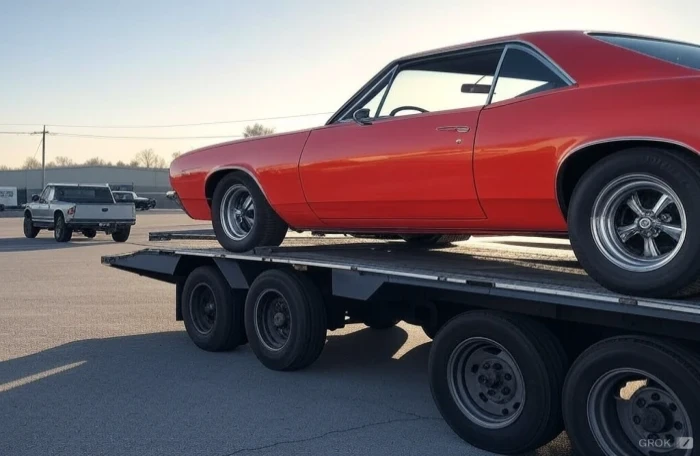
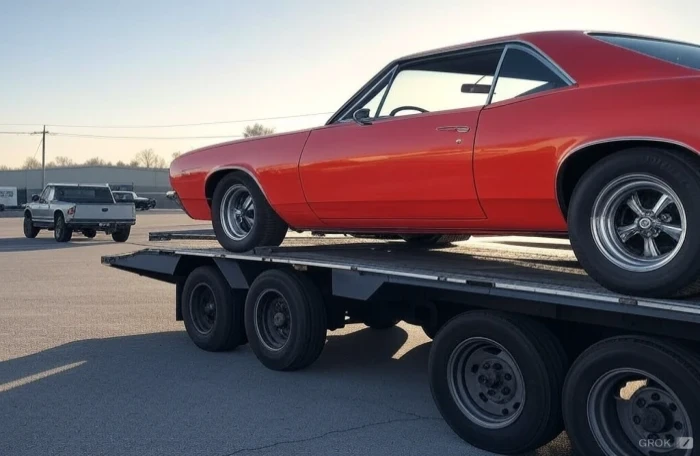
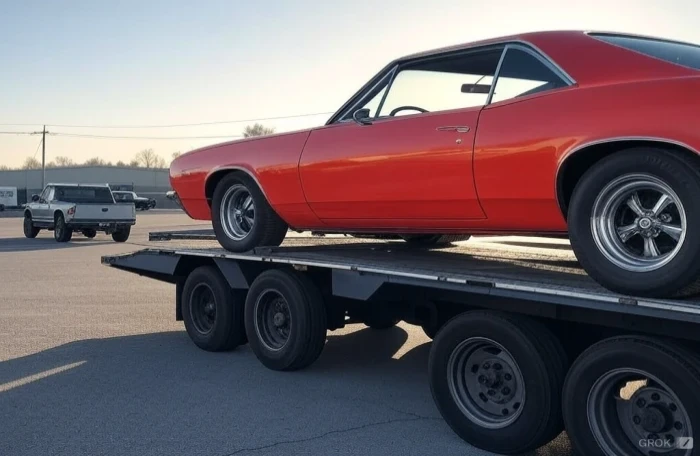
Operating a single vehicle eventually hits a revenue ceiling. Expanding your inventory often means sourcing cars from different regions where depreciation curves and purchase prices are more favorable. Securing a fleet vehicle three states away introduces serious logistical hurdles. You have to evaluate the cost of moving that heavy machinery against the potential profit margins of your rental market. Building a profitable rental fleet is a matter of calculated logistics and constant risk management. Success depends on maintaining mechanical standards, setting strict operational boundaries, and safely positioning your vehicles where demand is highest.
Auto Transport Logistics for Fleet Expansion
Scaling your operation requires a reliable transport partner to move newly acquired assets. AmeriFreight Auto Transport matches your specific vehicle and route with an independent carrier as one of the best reviewed in the industry.
Protecting your capital is critical during an acquisition. There is no upfront payment until you choose a carrier. Cancellation without charge can only occur if the vehicle has not been dispatched. Since carrier availability fluctuates, we don't offer exact quotes. Early booking does not save money.
The logistics of moving heavy machinery require flexibility. Expedited shipping does not guarantee pickup or delivery dates. Our customer service agents help coordinate estimated windows. Real-time GPS tracking is not offered, and we do not provide 24/7 updates.
Geographic limits and commercial trailer sizes dictate the drop-off. Door-to-Door Service (Location Permitting) typically means meeting at a nearby commercial lot with ample turning space. Operations are restricted to the continental highway system. Terminal-to-terminal, international, airfreight, and shipping by train are not offered. Shipping to Alaska is not available. Shipping to Hawaii is not available. Delivery is only to a California port, requiring you to coordinate with trusted ocean freight shipper options such as Matson.
Whether you acquire combustion cars or electric vehicles, the physical constraints remain. There are no hybrid-equipped carriers for EVs. Only standard transport options are available: open transport and enclosed transport. The Department of Transportation (DOT) does not permit personal items to be shipped in vehicles. If allowed by a carrier, it is usually for an extra fee and must be discussed beforehand. We only assist with vehicle transportation, not household goods.
Finally, manage your road risk. AmeriFreight does not offer insurance. Carriers carry their own liability limits for the physical transport. We provide AFTA plans as optional gap protection plans. Only AFTA coverage recipients have 48 hours to report damages.