

Michigan car dealerships operate in a market where small differences can lead to large financial consequences. Vehicle prices have climbed to a point where buyers are no longer just comparing deals. They are weighing long-term costs, reliability, and the level of risk they are willing to take on after the purchase.
The average transaction price for a new vehicle reached $50,080 in September 2025. That figure alone changes how people approach buying. At that level, even minor issues like unclear fees or weak service support can feel expensive over time.

Why the Best Car Dealers in Michigan Stand Out Now
The definition of value has shifted. Buyers are no longer focused only on the purchase price. They are paying closer attention to how predictable the entire experience feels.
Used vehicles are not a simple alternative either. Prices have remained elevated, moving from about $28,819 in 2024 to roughly $29,374 in early 2026. That keeps pressure on buyers to make careful decisions, even when choosing pre-owned options.
Inventory has improved overall, reaching about 2.89 million units in early 2026. Still, supply is uneven. Some vehicles move quickly, while others remain available longer than expected.
Hybrids now account for about 25 percent of new vehicle sales, while electric vehicles have slipped to around 6.3 percent. In some cases, EV inventory has stretched toward a 100-day supply, which signals slower demand.

LaFontaine Automotive Group: Ownership Value That Adds Up
LaFontaine Automotive Group focuses on reducing ownership costs rather than just lowering the purchase price. That distinction becomes more important as vehicle prices rise.
One detail that carries real weight is their deductible support, which covers up to $500 in the event of a collision. It may not influence the initial decision, but it lowers financial exposure when something unexpected happens.
Their Certified Pre-Owned vehicles follow a 125-point inspection process. With used prices staying high, that level of inspection helps justify the cost by reducing the likelihood of post-purchase issues.
This approach tends to work best for buyers who plan to keep their vehicles long enough to benefit from service programs and added protections.
Zeigler Auto Group: Precision and Consistency
Zeigler Auto Group places a strong emphasis on process. Their 172-point inspection for pre-owned vehicles is more detailed than what many dealerships offer, which can reduce the risk of hidden problems.
Their internal culture also plays a role in the customer experience. With a 4.4 employee rating on Glassdoor based on feedback from more than 1,000 participants, consistency becomes easier to maintain across locations. That consistency often shows up in how customers are treated during both sales and service interactions.
Zeigler also allows buyers to purchase manufacturer-backed service plans outside of the traditional closing process. This gives customers more control and reduces the pressure that often comes with last-minute decisions.
This model appeals to buyers who prefer clarity and structure rather than a highly guided sales experience.

Feldman Automotive: Inventory as a Practical Advantage
Feldman Automotive benefits from having a large inventory across multiple locations. That scale reduces the need to compromise when searching for a specific vehicle.
This matters in a market where demand is concentrated in certain segments. Hybrids are moving quickly due to their balance of fuel savings and convenience, while some EVs remain available longer. A dealership with broader inventory has a better chance of matching buyers with what they actually want.
Feldman also supports a wider range of financing scenarios, which can help buyers who may not qualify through more limited lender networks.
The tradeoff is that high-volume operations can feel less personal. Some buyers prefer that efficiency, while others value a more tailored experience.
Serra Automotive: Local Control with Broad Reach
Serra Automotive combines a large network with local decision-making at individual dealerships. This allows each location to respond to its specific market while still benefiting from shared resources.
Their Certified Pre-Owned programs focus on reliability through multi-point inspections and manufacturer-backed warranties. With used vehicle prices remaining close to $30,000, buyers expect a level of dependability that justifies the cost.
Serra dealerships often perform well in regional recognition programs and Michigan independent car dealer awards, particularly in areas where repeat business and community trust are significant factors.
This approach tends to appeal to buyers who want a balance between consistency and a locally managed experience.
Regional Standouts That Compete with Larger Groups
Not all well-regarded dealerships belong to large groups. Several independent and regional businesses have built strong reputations by focusing on transparency and customer experience.
In Lansing, Paradise Motors is often cited as one of the top-rated used car dealerships for its direct communication and straightforward transactions.
Ann Arbor is known for demanding customers who prioritize service quality and transparency. Dealerships such as Germain Honda and Subaru of Ann Arbor stand out for maintaining strong feedback across large volumes of reviews and for offering service-focused ownership experiences.
Across the state, dealerships recognized through DealerRater Michigan winners and TIME Dealer of the Year Michigan programs tend to share a consistent trait. They reduce uncertainty in areas where many dealerships leave questions unanswered.

The Market is Shaping Smarter Buying Decisions
The broader automotive market continues to grow, with new vehicle sales reaching 15.9 million units in 2024 and projections pointing toward 16 million units. That growth has not reduced the financial pressure on buyers.
Monthly payments highlight the reality. About 62 percent of buyers now pay more than $600 per month, and 35 percent pay more than $800 per month. These figures push buyers to evaluate not just the vehicle, but the long-term cost of ownership.
Inventory turnover also affects timing. New vehicles typically remain available for around 79 days, while used vehicles move faster at roughly 38 days. Well-priced used vehicles often sell quickly, which limits how long buyers have to decide.

Choosing the Right Dealership Means Understanding Tradeoffs
Michigan car dealerships differ in ways that are not always obvious at first. Some focus on long-term service benefits, others prioritize inventory or financing flexibility, and some stand out primarily for transparency.
The better decision comes from understanding which factors matter most for your situation. Not every dealership needs to excel in every area. It needs to reduce the risks that matter to you. That difference often determines whether the experience feels smooth and predictable or becomes something you question months later.
Where AmeriFreight Auto Transport Fits into the Process
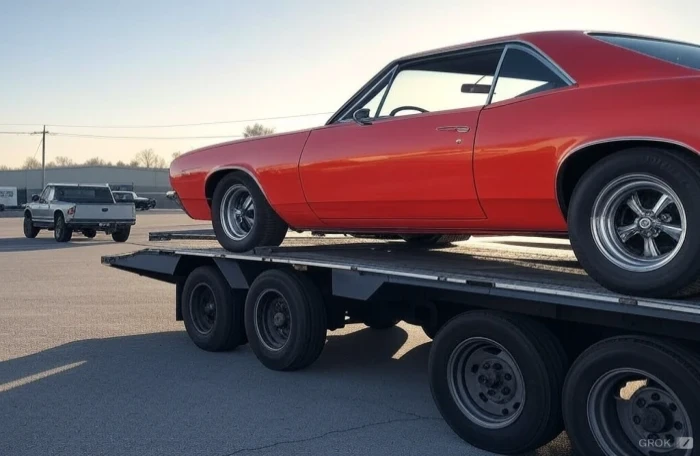
When a vehicle is purchased from another region, transportation becomes part of the overall decision. AmeriFreight Auto Transport is commonly used to coordinate delivery. No upfront payment until you choose a carrier. That structure allows buyers to confirm arrangements before committing financially.
Door-to-Door Service (Location Permitting) helps simplify delivery, though pickup and drop-off timing depends on carrier availability and route conditions.
Get your free, no obligation quote today.