

Moving across the country comes with enough logistics already. Adding a multi-day road trip for your vehicle can make the process even more complicated. For many people, shipping a car is the simpler option. It reduces wear on the vehicle, frees up time during a move, and eliminates expenses that can add up quickly on a long drive, including fuel, hotels, meals, and tolls.
A successful shipment starts with choosing a reputable transport company, understanding your transport options, and preparing your vehicle correctly before pickup.

A Reliable Transport Company Matters More Than a Low Price
Price is important, but it should never be the only factor when choosing a car shipping company.
Every legitimate interstate auto transport provider must be registered with the Federal Motor Carrier Safety Administration (FMCSA).
Before booking, verify that the company has active operating authority and valid registration through the FMCSA's SAFER database. You can review a carrier's operating status and safety information directly through the FMCSA and learn more about consumer protection.
Extremely low quotes often create problems later. A reputable company invests in qualified drivers, properly maintained equipment, regulatory compliance, and cargo protection. Those factors affect both service quality and the safety of your vehicle during transport.
Where Your Vehicle Is Going Affects Cost
Cities and major metro areas typically offer more carrier availability and more frequent routes. Rural locations often require drivers to travel farther from major transportation corridors, which can increase costs and extend scheduling windows.
Even with door-to-door service, large transport trucks may not be able to access every residential street. Low-hanging branches, narrow roads, cul-de-sacs, and neighborhood restrictions sometimes require meeting the driver at a nearby parking lot or other safe location with sufficient space for the truck.

Open and Enclosed Transport Serve Different Needs
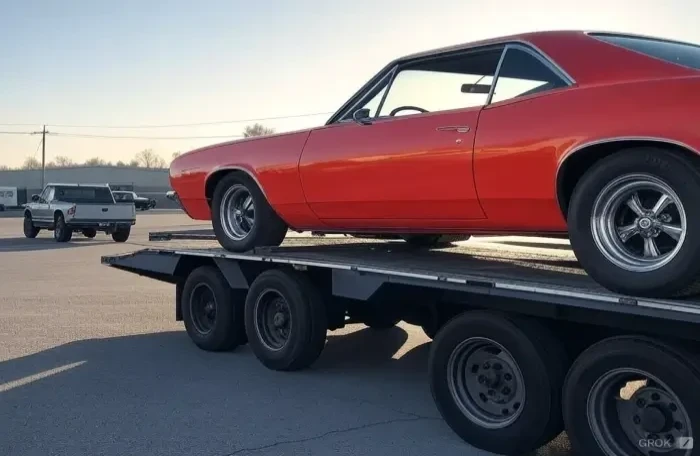
Most vehicles shipped across the country travel on open carriers.
Open transport is the most common and cost-effective option. Open carriers transport multiple vehicles at once, helping distribute operating costs across several shipments. For everyday cars, trucks, and SUVs, open transport is usually the practical choice.
Enclosed transport provides additional protection from weather, road debris, and outside exposure. It is often selected for classic cars, luxury vehicles, exotic automobiles, and specialty vehicles with exceptionally high value. Enclosed trailers generally carry fewer vehicles and require more specialized equipment, which is why they cost more than open transport.
Preparing Your Vehicle Before Pickup
A little preparation helps prevent delays and makes the inspection process easier.
Start by checking the vehicle's overall condition. If there are mechanical issues that affect starting, steering, braking, or rolling, inform the transport company before pickup. Accurate information allows the carrier to bring the proper equipment.
Wash the exterior before shipment. A clean vehicle makes it easier to document existing scratches, dents, chips, and other cosmetic issues during the inspection.
Keep the fuel level at roughly one-quarter tank. This provides enough fuel for loading and unloading while avoiding unnecessary weight.
Remove personal belongings from the vehicle whenever possible. Federal regulations focus on transporting vehicles, not household goods. Personal items can shift during transit, create weight concerns, and are generally not covered by carrier cargo protection plans.
You should also remove or secure detachable accessories such as bike racks, cargo carriers, and other exterior attachments.
Finally, make sure you have a spare set of keys available before pickup day.
Why Vehicle Inspections Are So Important
The inspection process protects both you and the carrier.
At pickup, the driver performs a detailed walk-around inspection and records the vehicle's condition on the Bill of Lading. Existing dents, scratches, paint chips, cracked glass, and other visible damage are documented before the vehicle is loaded.
When the vehicle arrives, perform another inspection before signing the delivery paperwork. If new damage is discovered, it should be noted on the Bill of Lading immediately. Taking clear photos at delivery can help support any claim that may be necessary. Once paperwork is signed without noting damage, proving that damage occurred during transport becomes much more difficult.
Be Ready to Provide Accurate Vehicle Information

Carriers need complete and accurate details before pickup.
The year, make, model, condition, dimensions, and any modifications all affect trailer placement and loading plans. Modified vehicles, oversized trucks, lifted vehicles, and low-clearance cars may require specialized handling or equipment.
Providing accurate information upfront helps avoid delays and prevents last-minute pricing adjustments caused by undisclosed vehicle characteristics.
Understanding Coverage and Optional Protection
Vehicle damage during transport is uncommon, but understanding coverage remains important.
Licensed carriers are required to maintain insurance that meets federal requirements. You can ask for proof of coverage and review the carrier's documentation before shipment.
It is also wise to contact your personal auto insurance provider to understand how your policy applies during transport.
Carrier coverage protects against certain transit-related risks, but it may not cover every possible situation. AmeriFreight Auto Transport offers optional gap protection plans that can provide additional peace of mind for qualified shipments.
If you have questions about coverage, ask for clarification before the vehicle is dispatched.
Shipping Takes Time
Cross-country shipments are not overnight services. Most cross-country vehicle shipments take several days to more than a week, depending on route length, weather, traffic conditions, and carrier schedules.
Booking early gives you more flexibility and helps coordinate your vehicle shipment with the rest of your relocation plans.
The Final Delivery Inspection
The last step is often the most important.
When your vehicle arrives, inspect it carefully before accepting delivery. Compare its condition with the notes recorded during pickup and review the Bill of Lading closely.
Most shipments arrive without issues, but documenting any concerns immediately creates a clear record and helps resolve problems more efficiently if a claim becomes necessary.
Handing your vehicle over to a transport company can feel stressful at first. Working with a reputable carrier, preparing the vehicle properly, and understanding the process from pickup through delivery makes cross-country car shipping far more predictable and far less demanding than driving the entire distance yourself.
Ready to Arrange Your Shipment?
The earlier you start planning, the easier it becomes to coordinate pickup dates, delivery locations, and vehicle preparation.
AmeriFreight Auto Transport can help you understand your shipping options, explain the transport process, and answer questions about open transport, enclosed transport, and optional gap protection plans. Request a free quote to start planning your cross-country vehicle shipment.


.webp)

.webp)