



AutoTrader used-car buying works best when you approach it as a step-by-step process rather than a simple search. The platform gives shoppers access to more than 3,000,000 vehicle listings from more than 40,000 dealers and roughly 250,000 private sellers, creating many opportunities but also a lot of noise.
With that much inventory in one place, pricing varies for reasons that are not always obvious; desirable listings move quickly; and negotiation flexibility varies by seller, vehicle type, and current market conditions.
Step 1: Understand What the Market Is Telling You
Before you start saving listings, it helps to understand the market you are entering. Used vehicle inventory has become more stable than in earlier periods of volatility, but supply remains uneven across price points and vehicle categories. In early 2025, the used vehicle supply in the U.S. reached about 2.23 million units. That sounds like a healthy number until you begin to narrow it down by budget, mileage, body style, or location.
The average used car price is now about $25,128, which makes it a useful benchmark when you begin comparing listings. Cars priced far below that average often attract more demand and sell faster. Vehicles priced above it may offer more options, but they may also include trims, packages, or features that add cost without much long-term value.
Electric vehicles are also gaining traction, with used EV sales rising by 52 percent year over year. This creates more options but also introduces new variables, especially regarding battery health and long-term ownership costs. Pricing does not always reflect the condition. In many cases, it reflects demand, inventory pressure, and seller strategy more than actual mechanical quality.
Step 2: Filter Strategically Instead of Browsing Broadly
The search process itself is simple. The real work happens when you begin filtering. Search demand explains why this step matters. Around 1,765,000 monthly searches focus on “used cars,” while another 1,000,000 center on “car dealerships near me.” Well-priced listings do not stay available for long.
Instead of browsing casually, focus on factors that affect cost and risk. Mileage, ownership history, certification status, and seller type are more important than cosmetic features early on. Certified Pre-Owned (CPO) vehicles cost more upfront, but they reduce uncertainty through structured inspections and manufacturer-backed standards.
The Kelley Blue Book Price Advisor is one of the most useful tools for used car valuation. It relies on transaction-based data across the Cox Automotive ecosystem. Vehicles priced within the fair range tend to move quickly. Listings priced below that range may still be good opportunities, but they require closer review to understand the reason behind the price.
Step 3: Get Financing in Place Before You Reach Out
Financing shapes the deal earlier than most buyers expect. The difference between pre-qualified and pre-approved financing becomes important once you find the right vehicle.
Pre-qualification offers a general estimate based on unverified information. It helps with planning, but it does not carry much weight with sellers. Pre-approval, on the other hand, confirms your credit and income and provides a defined loan amount and terms. This allows you to act quickly and present a stronger offer.
Used-car interest rate trends in 2026 are more stable than in previous years, though rates still vary based on credit profile, loan term, and down payment. Longer loan terms can lower monthly payments, but they increase total cost and raise the risk of negative equity.
Step 4: Use the VIN to Verify What the Listing Does Not Show
Listings provide useful information, but they rarely tell the full story. The vehicle identification number, or VIN, gives access to deeper details that are not always visible.
The AutoCheck vehicle history report connected to the VIN shows title status, accident history, and ownership patterns. This information helps identify risks that could affect long-term value or safety.
A clean report is helpful, but it does not guarantee the current condition. Mechanical issues can develop without being recorded. That is why a pre-purchase inspection is still essential. A professional inspection can uncover engine issues, suspension wear, or alignment problems that are easy to miss during a quick review.
Step 5: Decide Whether a Dealer or Private Seller Fits Your Needs
Where you buy affects both convenience and risk. Franchised dealers account for about 68 percent of the market for vehicles between one and five years old. These vehicles often come with structured processes, financing options, and Certified Pre-Owned benefits that help reduce uncertainty.
Private sellers often offer lower prices, but the responsibility for verification, payment, and paperwork shifts to the buyer. This requires more attention to detail throughout the transaction.
For those learning how to buy a used car from a private seller on AutoTrader, the Private Seller Exchange (PSX) adds a layer of protection. It verifies identities and supports secure electronic car payment methods. Credit and debit transactions can go up to $25,000, and documentation fees typically range from $80 to $400, depending on the state.
Step 6: Negotiate Using Timing and Market Data
Negotiation has become more data-driven. Timing and listing behavior now play a larger role than guesswork. Market Days’ Supply (MDS) helps you understand how long vehicles typically remain available. If a car has been listed longer than average, the seller may be more open to adjusting the price. This isn't guaranteed, but it's an opportunity for discussion.
Some of the fastest-selling used cars in 2026 can sell within a month or less. Waiting too long in these cases usually means missing the opportunity rather than improving your position.
Buyers who are ready to act tend to receive stronger responses. Pre-approved financing and clear payment plans reduce delays and make offers more appealing. AutoTrader’s Deal Builder has expanded to about 2,000 retailers, up from 1,100 the previous year, which reflects a shift toward completing more of the process online.
Step 7: Think Through the Long-Term Costs Before Finalizing
The final stage often feels procedural, but it directly affects long-term cost. Once you are ready to complete the purchase, it is important to look beyond the sale price.
GAP coverage becomes relevant when your loan balance exceeds the vehicle’s value. Without it, the difference becomes your responsibility if the car is totaled. Vehicle service contracts can also provide value, especially for vehicles with higher repair risk or more complex systems.

Where AmeriFreight Auto Transport Fits in the Process
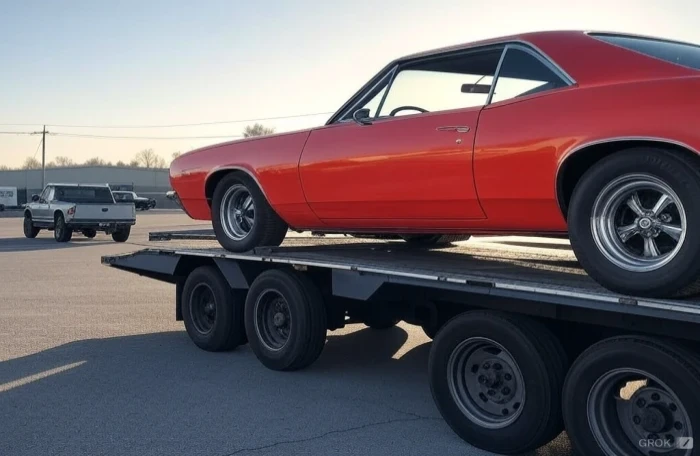
Transportation becomes relevant once you decide to move forward with a vehicle that is not within driving distance. At that point, shipping is no longer an afterthought. It directly affects timing, cost, and the speed at which you can take possession.
AmeriFreight Auto Transport typically enters the process after the purchase terms are set but before final delivery is arranged. Buyers use it to coordinate vehicle movement from the seller’s location to their own, especially in long-distance transactions. We are one of the best-reviewed in the industry and offer no upfront payment until you choose a carrier.
Get your free, no obligation quote today.
Disclaimer
This article is for informational purposes only. AmeriFreight Auto Transport is not affiliated with AutoTrader or its related entities.


.webp)