

Top Load Car Transport: The Safe Way to Move a Classic
If you want to keep your classic car safe while it’s being shipped, top-load transport is a good option.
Classic car owners often spend years restoring their vehicles, paying attention to every detail. When it’s time to move these cars, many hesitate to pay extra for top-load service. But those who do usually see their car arrive in the same condition it left: spotless and ready to turn heads.
Choosing a lower spot on the trailer to save money can backfire. Cars on the bottom are more likely to pick up fluid drips from vehicles above, chips from road debris, or even mechanical issues from long exposure to heat. What should be an easy delivery can quickly turn into an unexpected repair bill.
What You’ll Learn in This Article
In this article, we will answer:
What top-load car transport is (and what it means for your vehicle)?
Why is it the safer choice for rare, vintage, or low-clearance vehicles?
How do you request top-load service, and how do you know the company is legit?
Overview
What is Top Load Car Transport?
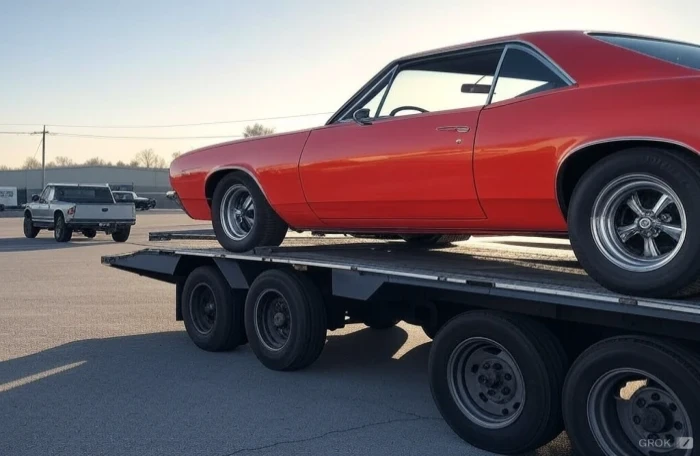
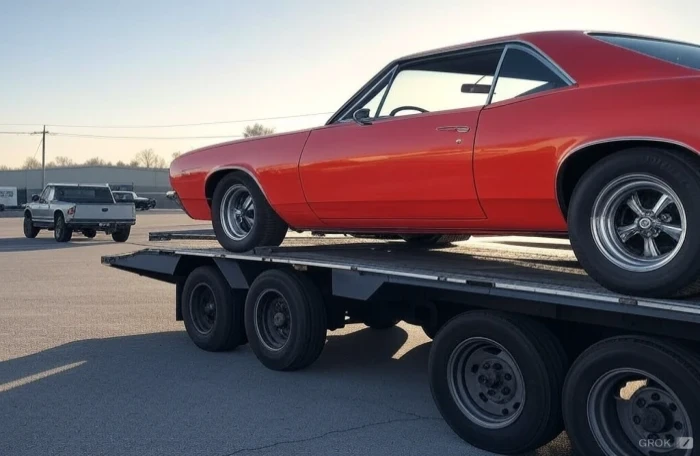
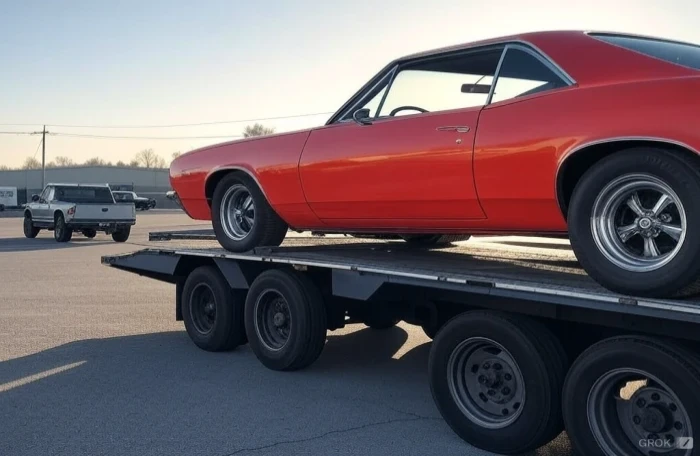
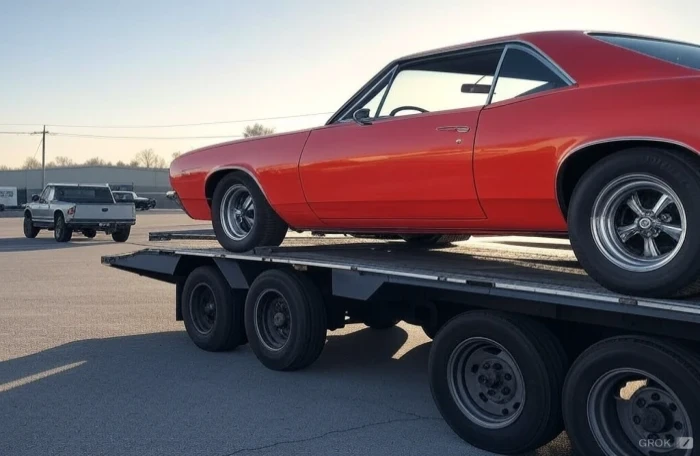
Top-load car transport means your vehicle rides on the upper deck of a two-level open carrier. That higher spot isn’t only about placement. It gives your car extra protection from:
Oil or fluid dripping from vehicles above
Gravel, salt, or trash kicked up from the road
By securing your car on the top level, you avoid many of these problems. Think of it like parking your classic car away from older, leaky vehicles. It’s a safer choice that reduces the risk of damage while in transit.
Why Top Load is Safer for Classic, Rare, and Vintage Cars

If your car is special, it deserves extra care. Whether it’s a Chrysler Town and Country, a rare convertible, or a classic from the 1950s, choosing top load transport isn’t a luxury, but a smart protection.
Why Top Load Matters
Less risk from road debris: Every year, about 50,000 crashes involve road debris, according to the AAA Foundation. Another study shows more than a billion pieces of junk fall from unsecured loads each year.
Better for delicate finishes: Top load helps prevent gravel scratches and reduces problems caused by heat on long trips, like engine overheating when airflow is blocked.
Protected from leaks above: Cars on lower decks can get damaged by brake fluid or gasoline dripping from vehicles above. These fluids are harsh. Brake fluid can strip your car’s clear coat, and gasoline often leaves stains that eat away at the finish.
If your vehicle falls into the category of rare cars, old muscle cars, or anything with low ground clearance, top-load car transport offers peace of mind and often saves you money on repairs later.
When Top Load is a Must-Have (Not Just a Nice-to-Have)

Top load is helpful for most cars, but for some, it’s non-negotiable. You should always request top load if your vehicle is:
Freshly painted or restored
Low to the ground (especially for standard low-clearance vehicles)
A convertible or soft top
A rare or irreplaceable model, like a 1950 Chrysler Town and Country
Already dealing with issues, like a car radiator fluid leaking
Vehicles with Extremely Low Clearance
Top-loading on an open carrier gives good protection, but if your car sits really low to the ground (under four inches), an enclosed carrier with a hydraulic lift gate is the safest choice. It prevents your car from scraping when being loaded.
Top Load for Cross-Country Car Shipping
Long trips mean more chances for trouble. The farther your car travels, the more it is exposed to weather, road debris, and other vehicles. That’s why top-load car transport is ideal for cross-country car shipping needs.
According to Veteran Car Donations, even a small scratch can cost hundreds or thousands to repair, especially on rare or custom-painted vehicles. When considering the potential consequences of oxidation and fluid leakage, one can anticipate repair expenses that may approach or even exceed the initial restoration costs.
How to Request Top Load Service
Here’s something a lot of car owners don’t realize: top-load car transport isn’t automatic. Even though it offers more protection, most transport companies won’t assign your car to the top deck unless you ask for it.
Here’s how to make sure your car gets the spot it deserves:
Ask upfront when you request your quote
Double-check your confirmation
Combine it with enclosed transport for added protection
What to Look For in Top-Load Car Transport Companies
Not all shipping companies treat classic cars the same way. Some promise more than they deliver. Others skip top-load placement unless you push for it.
Here’s what separates trusted top-load car transport companies from the rest:
Verified reviews from real customers
Clear service options (open vs. enclosed transport)
Experience with classic, rare, or show cars
Final Thoughts: Choosing Top Load Car Transport
Top-load car transport isn’t about spending more. It’s about protecting more. When your vehicle is rare, classic, or simply meaningful, how it travels matters as much as where it’s going. Whether it’s a short haul or a coast-to-coast journey, top-load transport keeps it safe, spotless, and ready for the next show.
Ready to Ship Your Classic the Right Way?
Request top-load car transport with AmeriFreight Auto Transport and ship your vehicle with confidence. Our team will help you secure a premium spot on the carrier through our trusted network of licensed, insured transport professionals.
Get your quote today or speak directly with one of our friendly advisors.
Frequently Asked Questions (FAQs)
How many cars fit on a top-load car carrier?
A top-load car carrier, typically an open multi-level hauler, usually holds between six and nine cars, depending on the size and type of vehicles being transported.
Is top-load car transport better for convertibles?
Yes, top-load transport is generally recommended for convertibles to minimize exposure to potential fluid leaks from vehicles positioned above and to reduce the risk of road debris or dirt accumulating on the soft top.
Convertibles are also safer on the top deck as they avoid the risk of being compressed or damaged by heavier vehicles loaded above them.
Should I choose top load for a low-clearance vehicle?
For extremely low-clearance vehicles (typically less than four inches), an enclosed carrier with a lift-gate is usually the safest and most recommended option to prevent bottoming out on ramps.
Do I need to request top-load service specifically?
Yes, you should explicitly request top-load service when booking your auto transport, as it is considered a premium option. While carriers may sometimes automatically place certain vehicles (such as convertibles or taller SUVs) on top for logistical reasons, requesting it ensures that your preference is considered, often for an additional fee.