

A vehicle that cannot start presents a logistical hurdle in any situation. Moving that same vehicle thousands of miles across the Pacific Ocean multiplies the complexity. Transporting an inoperable vehicle to Hawaii requires navigating strict mechanical thresholds, rigid agricultural laws, and a fragmented transit route. Success depends entirely on understanding the hard lines between what overland auto transport services can accommodate and what ocean vessels demand.

The Logistics of the Mainland Leg
Owners frequently assume booking transport to Honolulu is a single transaction. The logistics actually demand two distinct phases. AmeriFreight Auto Transport manages the overland leg. We coordinate picking up your vehicle and getting it to the docks. Since many non-running vehicles are project cars or vintage restorations, owners often prefer specialized classic car shipping to ensure the vehicle is handled with the appropriate equipment.
You then work with trusted ocean freight shipper options such as Matson to complete the Pacific crossing via roll-on/roll-off shipping.
Inoperable Vehicle Transport versus Static Cargo
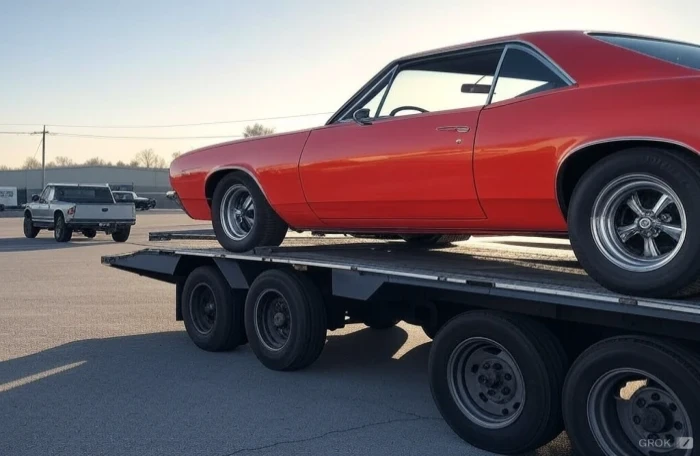
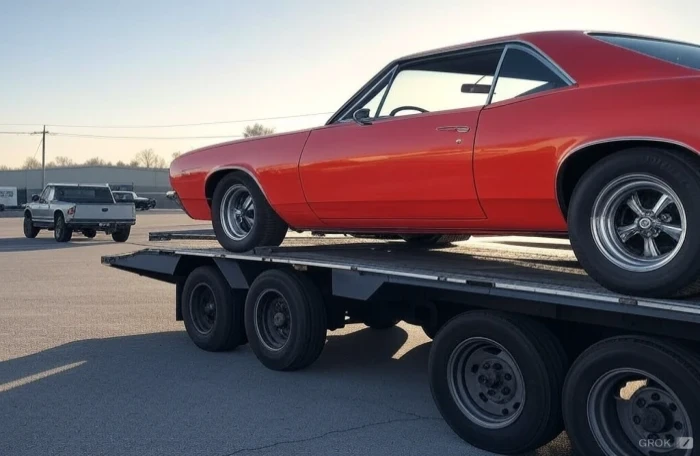
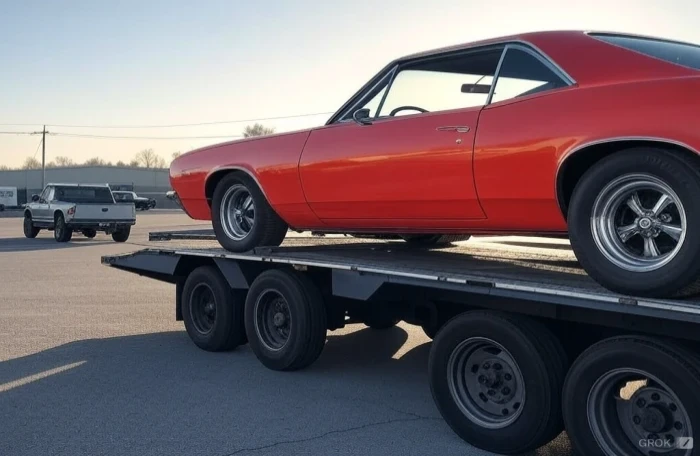
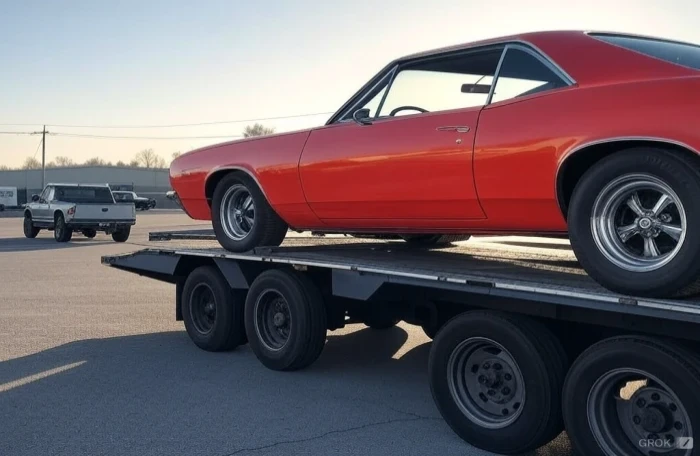
The physical condition of your vehicle dictates the entire loading process when you ship a broken car. A car that will not start is classified as inoperable. It still needs to roll, brake, and steer. Mainland car shipping companies use heavy-duty winches to pull an inoperable car onto a trailer. The driver must sit in the vehicle and steer it up the ramps.
If the steering column is locked, the brakes are seized, or the tires are flat, the car becomes a piece of static cargo. Standard auto transporters cannot load static cargo.
Ocean carriers maintain identical strictness. They routinely apply an in-op surcharge for any vehicle requiring a tow or a forklift at the terminal. You must ensure the vehicle has functional steering and tires that hold air before the truck arrives for pickup. Port authorities will reject a vehicle leaking oil, coolant, or brake fluid right at the gate. You must degrease the undercarriage and fix active leaks. Fuel levels must remain below one-quarter tank to meet ocean freight fire safety standards.

Moving a Dead Electric Vehicle to the Port
Modern vehicles present another hidden hurdle. Electronic shifters require a 12-volt power source to engage neutral. You must provide a manual override or a functional auxiliary battery.
Moving a non-running electric vehicle requires specific planning. A dead high-voltage battery means the car cannot shift into transport mode. You must ensure the EV can physically roll onto these standard trailers.
California Departure Port Delivery and Ocean Freight Documents
Ocean freight terminals demand exact documentation. The overland truck driver arrives at the California port gate with your vehicle. The port clerk requires a specific booking number and a clean title. If the vehicle has a lien, you need a notarized letter from the bank granting permission for ocean transit.
Banks rarely expedite lien letters for broken cars. A missing title or an unapproved lien document means the port will turn the truck driver away. This forces the vehicle into temporary mainland storage while you scramble to overnight the correct paperwork.
Hawaii Department of Agriculture Cleaning Rules
Shipping a project car often means dealing with a vehicle that has been sitting in a driveway collecting dirt, leaves, and rust. You cannot drag a dirty vehicle to the port. The Hawaii Department of Agriculture inspects every arriving vehicle for invasive species. They treat mainland soil as a biological threat.
Inspectors will reject the car if they find cobwebs, mud, or seeds in the wheel wells. You must manually power wash the undercarriage and clean the cabin thoroughly. More than a few specks of mainland dirt can trigger an agricultural hold at the destination port. You are then required to pay for commercial cleaning before the car is released.
People often try to pack their trunk with car parts or boxes to maximize space. We only assist with vehicle transportation, not household goods. The DOT does not permit personal items to be shipped in vehicles. If allowed by a carrier, it is usually for an extra fee and must be discussed beforehand.
Mainland Auto Transport Timelines and Storage Risks
Timing the handover at the California port requires close attention. The overland truck driver drops the vehicle at the terminal yard. They do not load it onto the ship. You are responsible for aligning the overland arrival with the ocean vessel departure.
Mainland transit times depend on weather, traffic, and routing. Expedited shipping does not guarantee pickup or delivery dates. If the truck arrives early, the port will hold the car. Ports offer very little free storage. Daily rates accumulate quickly and are entirely your responsibility. Our customer service agents can help you understand the standard transit windows for the mainland leg to minimize port storage time.
Protecting Your Vehicle During the Mainland Leg
Protecting your vehicle during the overland transit is a critical part of the planning process. AmeriFreight does not offer insurance. We do provide optional gap protection plans through AFTA. AFTA coverage recipients have 48 hours to report damages after delivery.
The Hawaii Vehicle Registration Process for Inoperable Cars
The logistics do not end when the ocean vessel docks in Honolulu or Hilo. You cannot drive a non-running car out of the port. You must hire a local Hawaiian towing company to retrieve the vehicle from the terminal. Island tow trucks are in high demand and require scheduling days in advance.
Once the tow truck drops the vehicle at your property, local laws create a unique administrative loop. Hawaii requires vehicle registration within 30 days of arrival. You cannot register a car without a passed safety inspection. A non-running car will automatically fail a safety inspection.
You must tow the vehicle to a licensed inspector to receive a failed certificate. You take that failed certificate, your mainland title, and your ocean carrier Bill of Lading to the local DMV to secure plates. You then repair the vehicle and return for a passing sticker to make it road legal.