

Cars remain important in 2026. Americans still need reliable, flexible, and safe mobility. Private vehicles offer solutions that meet daily challenges better than most alternatives.
Cities continue to promote walkability and better public transit. But most American families still rely on a car. About 92 percent of U.S. households own at least one vehicle. This shows the ongoing need for dependable personal transport.
This article explains why cars remain essential in 2026. It also shows how auto transport helps families move their vehicles.
What You’ll Learn
In this article, we will answer:
Why do we still need cars in 2026 despite new transit options?
How does the automotive industry support jobs, communities, and economic stability?
What makes personal vehicles essential in rural, suburban, and emergency situations?
Overview

The Continuing Importance of the Automobile in Modern Society
A personal vehicle offers daily freedom and flexibility. It helps people handle errands, commutes, and last-minute trips on their own schedule.
Cars support many important needs, including:
Driving children to school.
Helping elderly relatives reach appointments.
Handling emergencies when timing matters.
Cars also solve the “last mile” concern. You may take a train or bus for most of your commute. Still, you often need a car for the final stretch home or to work. Keeping a reliable car during long-distance moves is essential.
Economic Impact of the Automotive Industry in 2026
The automotive industry supported millions of jobs in 2026. These jobs extend far beyond car factories. It fuels local business development. It keeps supply chains running. Even after purchase, vehicles generate steady economic movement through fuel, repairs, and insurance.
Main contributions include:
Millions of workers depend on automotive manufacturing, sales, service, and engineering.
Businesses rely on cars and trucks to deliver goods.
Dealerships and repair shops bring income, jobs, and tax revenue.
Fuel, maintenance, and upgrades keep money flowing into the economy.
Role of Personal Vehicles in Rural Communities and Suburban Areas
In many rural areas, the car is not optional. Public transit rarely covers these areas, and cars remain the only practical way to reach essential services.
Cars help residents reach hospitals, workplaces, grocery stores, and schools.
Cars offer a quick response when public systems fail.
Many households use their vehicles to move tools, groceries, and heavy items.
Advantages of Private Transportation Over Public Transit
Cars offer safety, privacy, and control. This makes personal vehicles a safer option than public transportation.
Key advantages include:
Drivers can reach help fast during crises or evacuations.
A locked vehicle provides privacy and a sense of safety that open transit cannot match.
Cars offer built-in protections such as child seats, seatbelts, and modern safety tech.
During health emergencies, private cars reduce exposure to large groups.
How Electric Vehicles Are Reinforcing The Need For Cars
Technology is reshaping how vehicles operate, especially in electric vehicles (EVs). Cars are becoming cleaner, safer, and smarter. These improvements strengthen the role of personal transportation.
Important innovations include:
EVs reduce emissions and cut fuel costs. Better batteries and wider charging networks make them easier to own.
Features such as automatic braking and lane-keeping help prevent accidents.
Modern cars communicate with road systems to improve traffic flow and safety.
Self-driving features are advancing. Full autonomy is still years away, but current tech already boosts safety and convenience.
Psychology of Car Ownership and Personal Freedom
Car ownership carries emotional meaning in America. A car symbolizes freedom, independence, and key life milestones.
Why a car matters:
Buying a first car or earning a license are significant moments in many people’s lives.
Vehicles often reflect personality, taste, or accomplishments.
Car shows, road trips, and community events bring people together.
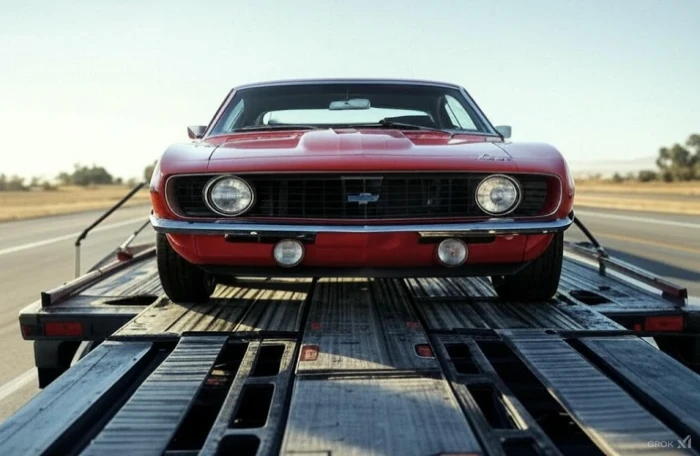
Classic and vintage vehicles connect generations and preserve history.
Final Thoughts: Moving Forward With Practical and Smarter Mobility
The future of transportation will continue to shift, but people still need reliable ways to move through their day. The key is not choosing one system over another. It is creating a balance that supports safety, access, and personal freedom while encouraging smarter long-term planning.
Need Top-Rated Car Shipping?
From daily freedom to emergency readiness, it's clear that having your vehicle where you need it matters. Whether you're relocating or buying a car out of state, a trusted car shipping partner makes all the difference.
With more than 20 years of experience, AmeriFreight Auto Transport has helped thousands of people ship their vehicles safely and efficiently. We work with a carefully vetted network of licensed and insured carriers. Our team is here to guide you every step of the way.
Get your free, no obligation quote today.
Frequently Asked Questions (FAQs)
Are cars still necessary with remote work?
Yes, cars remain necessary in 2026 despite remote work trends because the majority of vehicle use is for non-commute trips. This includes errands, family mobility, and accessing services, especially in suburban and rural areas.
What are the challenges of creating car-free cities?
The main challenge in creating car-free cities is redesigning car-dependent infrastructure while addressing public concerns about access and convenience.
Are autonomous vehicles the future of personal transport?
Autonomous vehicles are seen as the future of personal transport, offering safer and smarter mobility, though full Level 5 adoption remains years away.
What is the last-mile problem in commuting?
The last-mile problem is the difficulty of traveling the short final stretch between a transit stop and the rider’s destination.