

The 2026 used vehicle market punishes buyers who rely on old habits. Many buyers start with the assumption that a pre-owned vehicle is automatically a superior financial decision. That assumption collapses under the weight of 12 percent borrowing costs.
Financing a $26,000 used car at 12 percent for five years costs you thousands of dollars more in interest than a new car promotional rate. You have to look closely at the math instead of just browsing the local lot. Analyzing US used car market trends in 2026 shows that the production pauses from a few years ago caused a permanent shortage of cars priced under $15,000. Navigating this environment and successfully sourcing used cars means you have to change how you shop. You need a clear plan based on current used car price trends.
Search the Entire Country Using the Best Platforms
Looking at only one dealership website is a mistake. You need to use the best used car sourcing platforms that pull millions of listings from across the entire country. This helps you find better prices in different regions. For example, luxury sedans might be cheaper in the South, while small SUVs cost less in the Midwest. Finding these deals requires casting a wide net across different tiers of platforms:
Aggregator Engines: Tools like AutoTempest index listings from multiple sites, helping you bypass individual dealer pages.
Inventory-Heavy Retailers: Companies like CarMax and Carvana offer money-back guarantees that lower the risk of remote buying.
Specialty Markets: Platforms like Bring a Trailer provide peer-reviewed environments for enthusiast assets.
Buying directly from a private seller on local online marketplaces often gets you the lowest price. Just remember that private sales come with a higher risk of hidden car problems compared to buying from big retailers.
Navigate Used Car Depreciation Curves and Ownership Costs
The true cost of a car goes far beyond the sticker price. When you calculate the total cost of ownership against used car depreciation curves, you find a financial sweet spot for cars that are three to five years old. A car in this age range has already lost its biggest chunk of value but still has modern safety features. The math changes drastically depending on the powertrain you target:
Standard Gas-Powered SUVs: A 2022 internal combustion engine crossover might hold its value incredibly well.
Early Electric Vehicles: Some early EV models are dropping in price rapidly, occasionally losing 50 percent of their original value after just three years.
Sourcing used EVs means you need to factor in the federal tax credit for eligible purchases. You then have to weigh that upfront discount against the long-term cost of a fading battery.
Maximize Pre-Purchase Inspection Savings
Checking a car's mechanical health is a critical step. A common unstated assumption is that a clean vehicle history report guarantees a clean car. Trusting that report to tell the whole story is a costly mistake. Industry data shows that roughly 40 percent of used vehicles on the road have hidden damage, and many of those accidents never make it into a database. A pre-purchase inspection is absolutely necessary.
Paying an independent local mechanic to look at a car before you buy it is the cheapest way to protect your money. Inspectors routinely uncover hidden repair needs ranging from $500 to $3,000. A thorough inspection unlocks massive pre-purchase inspection savings by giving you the power to negotiate. Finding early signs of transmission failure or a dying EV battery forces the seller to drop the price heavily. If they refuse, you know it is time to walk away.
Ensure FTC Used Car Rule Compliance and Buyer Protections
Knowing your legal rights is the final step in a smart purchase. The Federal Trade Commission and various state governments have created strict rules to fight deceptive pricing and hidden fees. Verifying FTC Used Car Rule compliance is your main defense when dealing with a dealership. The law requires dealers to post an FTC Buyers Guide on the window. This sticker legally overrides any confusing contract terms or verbal promises made by a salesperson. The sticker explicitly states whether you are buying the vehicle "As Is." It will also list any specific warranty coverage.
State protections are also growing. A brief California CARS Act summary shows that dealers there must reveal the full offering price in their very first written communication with you. It also gives buyers the right to buy a three-day cancellation option on certain used vehicles. Understanding these legal rules helps you remove sneaky add-on fees and lock in the price you actually negotiated.
The Market Rewards Discipline
Surviving the 2026 used car market requires more than just finding a vehicle that looks good on paper. It demands a disciplined approach to where you look, how you calculate long-term costs, and how fiercely you protect yourself before signing a contract. Buyers who adopt these strategies will find genuine value even in a tight economy. Those who fall back on old habits will likely overpay for someone else's problems. The smartest purchase is the one you make with your eyes completely open to the math, the mechanical reality, and the law.
Coordinate Out-of-State Transport
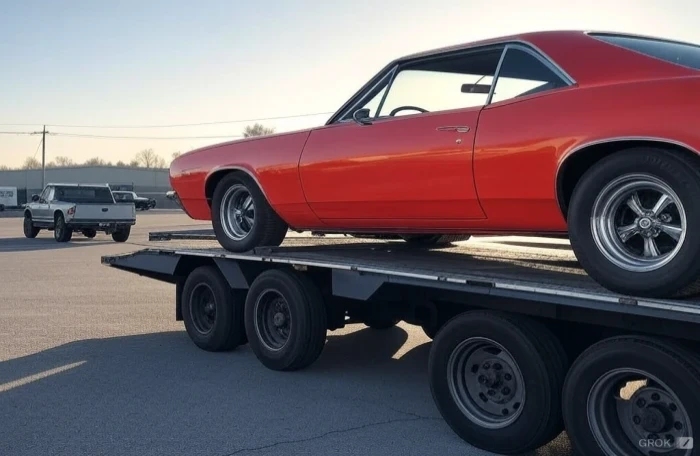
When sourcing a vehicle from across the country, you need a reliable way to get the physical asset to your location. AmeriFreight Auto Transport is one of the best reviewed companies in the industry for handling these logistics.