

Road trips feel simple at the start, but costs tend to build in ways most drivers do not notice right away. Fuel prices shift, hotel rates climb during busy travel periods, and repeated food stops can quietly double daily spending.
Personal vehicles still account for more than 82.8% of U.S. person-miles traveled, which means most travelers absorb the full cost of every mile themselves. What looks like a flexible, affordable trip can become expensive without a few deliberate choices early on.
Plan Your Route And Stops With Cost In Mind
Route planning controls more than distance. It shapes fuel use, toll exposure, hotel pricing, and how often you end up making expensive, unplanned stops. When the route is mapped out in advance, including fuel, meals, and overnight stays, the trip becomes more predictable and easier to manage. That structure helps avoid drifting into tourist-heavy areas where gas, food, and lodging cost more.

Travel timing plays into this as well. Summer travel patterns show how concentrated road demand can be, with about 91% of trips taken by personal vehicles. When large numbers of drivers move at the same time, congestion builds, and that congestion carries a cost in both fuel and time.
Research on highway travel costs and FHWA guidance on value pricing show that crowded roads increase the real cost of driving, even when those costs are not obvious at the pump.
Tolls require a more careful decision than simply avoiding them. In many cases, toll-free routes add enough stop-and-go traffic and extra mileage to cancel out any savings. Electronic toll systems can help reduce those costs.
FHWA confirms that electronic toll collection systems now work across multiple states, and state programs often provide meaningful discounts. Maryland reports that E-ZPass users can save up to 77% compared to pay-by-mail rates, while New York offers several discount plans for frequent travelers.
A well-planned route does not just shorten the drive. It removes unnecessary decisions and keeps spending from drifting upward throughout the trip.
Pack Food And Water Before Food Stops Pick For You
Food spending tends to grow through repetition rather than one large expense. A single fast-food stop may not feel significant, but several stops a day over a week can easily outpace the cost of fuel. Packing meals shifts that pattern by reducing how often you need to rely on convenience.
Simple meals work best on the road. Sandwiches, wraps, pasta salads, and pre-cooked items travel well and do not require much setup. Snacks like nuts, granola bars, and dried fruit fill the gaps between meals and keep stops short. A cooler makes a noticeable difference because it allows you to carry full meals instead of relying on packaged snacks or restaurant stops.
Water is another quiet expense that adds up quickly. Buying drinks at every stop becomes routine, especially on long drives, but refilling a reusable bottle eliminates that repeated cost. Packing food does more than save money. It gives you control over when and where you stop, which keeps the trip moving and reduces the chance of overspending out of convenience.

Drive In Ways That Protect Your Fuel Budget
Fuel efficiency changes based on how the vehicle is driven, and those changes show up directly in your travel costs. The EPA estimates that adjustments in driving behavior can improve fuel efficiency by about 10%, which becomes meaningful over long distances.
Aggressive driving has one of the largest impacts. Rapid acceleration, hard braking, and inconsistent speeds increase fuel consumption and lead to more frequent stops at the pump. A steady driving style keeps fuel use lower and reduces wear on the vehicle at the same time.
Speed also plays a role in overall efficiency. According to the EPA, gas mileage tends to drop once speeds exceed 50 mph, which means pushing faster on highways often increases fuel costs without saving much time. Cruise control helps maintain consistency on longer stretches.
Vehicle condition supports those habits. Proper tire pressure reduces rolling resistance and helps the engine operate more efficiently. Removing unnecessary weight and external accessories like roof racks also helps, since added load and drag force the engine to work harder, especially at highway speeds.
Use Travel Apps For Prices, Discounts, And Better Timing
Travel apps work best when they reduce guesswork at the moment you would otherwise make a rushed decision. Gas price apps help you compare fuel costs before exiting the highway, while hotel apps can offer lower rates on unsold rooms if your schedule allows flexibility.
Discount platforms for food and attractions can reduce spending, but their value depends on how they are used. Checking for savings at planned stops works well, while detouring for small discounts often costs more in time and fuel.
If your route includes national parks or federal recreation sites, planning ahead helps control entrance fees.
The America the Beautiful pass becomes cost-effective after visiting just a few parks and can significantly reduce overall trip expenses.
Travel Off-Peak And Prepare Your Vehicle Before You Leave

Timing influences both cost and experience. Traveling during peak periods often leads to higher lodging prices, heavier traffic, and more limited choices. Shifting to midweek departures or shoulder seasons reduces that pressure and helps keep spending under control.
Congestion has a measurable impact on fuel use and travel time. FHWA resources on congestion pricing explain how traffic demand directly affects roadway costs, which is why off-peak travel tends to be both smoother and less expensive.
Vehicle readiness matters just as much as timing. Long-distance driving puts sustained stress on the engine, tires, and braking system, and small issues can become expensive problems if they are not addressed beforehand.
AAA reported that the average cost to own and operate a new vehicle reached $12,297 in 2024, with a slight drop to $11,577 in 2025. Every additional mile contributes to that total, which makes avoiding unnecessary wear part of any cost-saving plan.
Make The Trip Easier With AmeriFreight Auto Transport
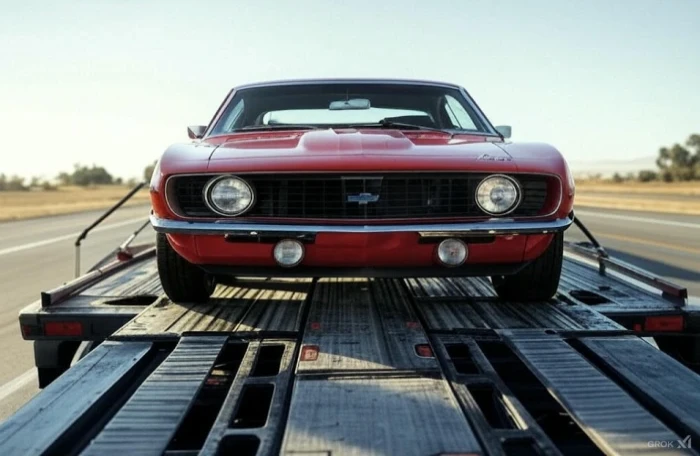
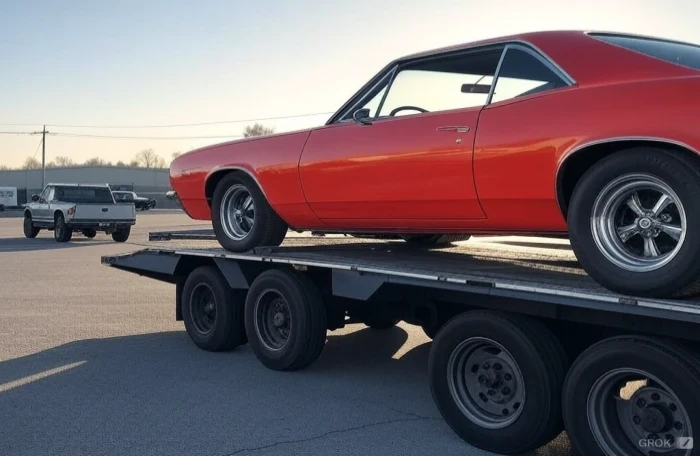
Long drives come with hidden costs. Fuel, hotel stays, added mileage, and wear on your vehicle all build up quickly, especially on cross-country trips. Shipping your car can reduce those expenses and give you back time that would otherwise be spent on the road.
AmeriFreight Auto Transport connects you with vetted carriers across the country, making it easier to move your vehicle without adding unnecessary miles. Optional gap protection plans are available for added peace of mind during transport.
If your trip involves relocation, seasonal travel, or moving multiple vehicles, this approach often makes more sense than driving everything yourself. Get a quote now!
Disclaimer
The information in this guide is for general informational purposes only and does not constitute legal, financial, or professional advice. Travel costs, regulations, and local conditions can change without notice. Readers should evaluate current conditions and seek appropriate professional guidance when needed, especially for legal or financial decisions.