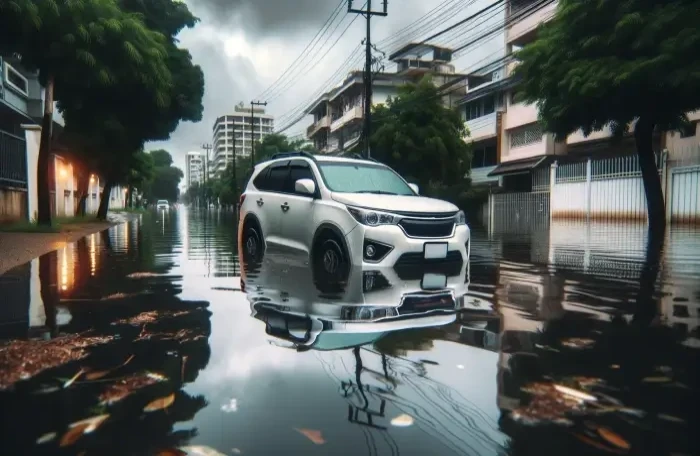


A flooded car can go from a repair issue to a total loss fast. Water does not just soak the interior. It can contaminate fluids, corrode wiring, damage control modules, and ruin an engine if someone tries to start it too soon.
Flood damage is also a much larger market problem than many drivers realize. The Insurance Information Institute reports that insured U.S. catastrophe losses reached $115.6 billion in 2024, and research cited in the attached document notes that about 482,000 flood-damaged vehicles were operating in the U.S. as of early 2025. That same research trend has been tied to a 20% year-over-year jump in flood cars in the U.S.
The first hours matter most. The wrong move can make the car less safe, harder to repair, and much more expensive to deal with.
Safety Comes Before Recovery
Floodwater is not clean water. The CDC warns that it may contain sewage, chemicals, and dangerous debris, which makes walking into standing water around a vehicle a health and injury risk. See the CDC guidance on floodwater safety. Ready.gov also advises drivers to avoid floodwater and never try to drive through it.

Depth is easy to underestimate. The National Weather Service and Ready.gov both stress that 6 inches of water can reach the bottom of many passenger cars, 12 inches can carry away many vehicles, and 18 to 24 inches can move larger SUVs and trucks. Those numbers matter because once a car loses traction, you are no longer dealing with a parked vehicle. You are dealing with moving weight in unstable water.
If the area is still flooded, wait until it is safe and keep your distance.
Do Not Start The Engine
This is the point that deserves the most emphasis. Do not turn the key. Do not press the start button. Do not try to see if the car still runs.
A flooded engine can hydrolock. That happens when water gets into the cylinders and the pistons try to compress it. Water does not compress the way air does, so the force transfers into hard parts inside the engine. Bent connecting rods, cracked components, and complete engine failure can follow.
Even if the engine was off during the flood, water may still have entered the oil, intake, transmission, or electrical system. Starting the car before inspection can turn hidden damage into permanent damage.
The Waterline Tells You A Lot
The height of the waterline gives you an early read on what may be affected.
If water stayed below the cabin floor, damage may be limited to low-mounted components, brake hardware, sensors, and underbody systems.
If water entered the cabin, the risk increases fast. Seat motors, airbag components, lower control modules, carpets, insulation, and harnesses may all be involved.
If water reached the dashboard or instrument cluster, you are usually looking at major electrical exposure. NHTSA service information on flood-damaged vehicle inspection shows why higher waterlines often push a vehicle toward a total loss decision, especially once main harnesses and electronics are involved. A waterline at the seats is serious. A waterline at the dash is worse than it looks.
Move The Vehicle Without Driving It
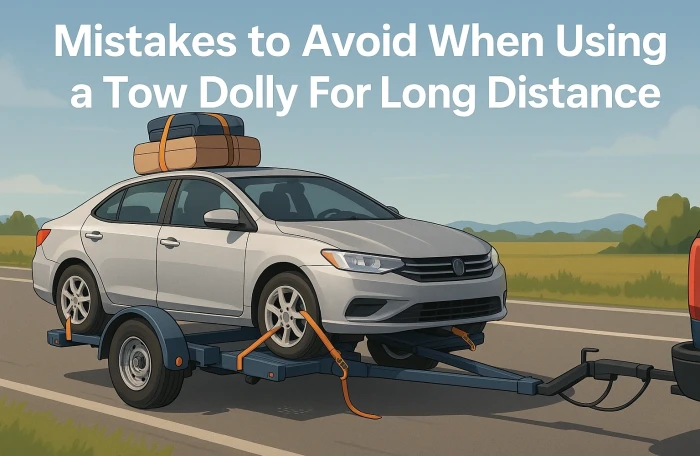
Once the area is safe, the vehicle should be moved by tow truck, not driven.

That protects the engine, transmission, brakes, and electrical system from further damage. It also keeps you from discovering too late that the brakes, steering, or electronics are no longer working as expected.
If the battery is accessible and the area is dry and safe, disconnecting it can reduce the chance of short circuits. If access is not safe, leave that step to a mechanic or tow operator.
Drying The Cabin Is A Race Against Mold
Floodwater in the cabin is not just a cleanup problem. It is a contamination and air-quality problem.
The CDC notes that mold can grow quickly on wet materials after a disaster, which is why fast drying matters so much. The agency also notes that mold can begin colonizing damp interior materials within 24 to 48 hours.
That timeline matters for cost. Once mold gets into carpet padding, seat foam, and insulation, cleaning gets harder and replacement becomes more likely.
A proper dry-out usually means removing wet carpets, mats, trim pieces, and sometimes seats so trapped moisture can escape. Fans help, but severe cases often need commercial dehumidification and sanitation.
Hard surfaces exposed to contaminated water should be cleaned carefully. CDC guidance for post-disaster cleanup supports disinfecting affected surfaces with appropriate cleaning solutions, and the attached research specifically references a diluted bleach approach for hard surfaces during remediation.
Electrical Problems May Show Up Later
Flooded electrical systems are unpredictable. Some failures happen right away. Others appear weeks or months later.
Modern vehicles rely on control modules, wiring harnesses, sensors, and connectors spread throughout the cabin and chassis. The research document explains that water can travel through harnesses by capillary wicking, which means moisture may reach components well above the visible waterline. NHTSA also warns consumers to be cautious with hurricane- and flood-damaged vehicles for exactly this reason.
Watch for warning lights, power accessory failures, strange infotainment behavior, or intermittent starting issues. Those are not minor annoyances after a flood. They are signs that corrosion may already be spreading through connectors or modules.
Saltwater exposure raises the stakes further. Corrosion moves faster and long-term reliability drops sharply.
Check Every Fluid That Water Could Reach
Water intrusion is not always visible from the outside. Fluids often reveal more than body panels do.
Engine oil contaminated by water often turns milky. Transmission and driveline fluids can also take on water, which reduces lubrication and increases wear. The research document highlights brake-system risk as well, since moisture exposure can lead to corrosion in hydraulic components and ABS-related parts.
Those checks matter for one reason. A car that seems dry enough to restart may still be carrying contaminated fluids that can damage expensive components during the first drive.
Insurance Decisions Come Down To Value Versus Repair Cost
Flood claims are typically handled through comprehensive auto coverage, not collision coverage. Florida’s consumer guide on flood auto claims explains this clearly, and state agencies like the Texas Department of Insurance give similar guidance.
Insurers compare the repair estimate with the vehicle’s actual cash value. If repairs climb too close to or past the threshold used in your state, the vehicle may be declared a total loss. The research document summarizes several examples, including Florida at 80% of actual cash value, New York at 75%, and Wisconsin’s flood branding rules for certain vehicles.
This is why documentation matters. Take photos of the waterline, interior damage, mud residue, warning lights, and anything else visible before cleanup changes the scene.
Title History Matters Long After The Flood
Flood-damaged vehicles do not all disappear into scrap yards. Many return to the used market.
The biggest risk for buyers is not always obvious flood damage. It is an incomplete disclosure. The National Motor Vehicle Title Information System overview explains how title brands help track salvage, junk, and flood history across states.
The research document also discusses title washing, where damaged vehicles move across state lines to make their history less obvious. State consumer agencies warn about the same pattern, including the Minnesota Attorney General’s flood and salvage vehicle guidance and the Florida flooded vehicle advisory.
For buyers, this is a decision-making issue, not just a paperwork issue. A branded history can affect safety, reliability, financing, and resale value.
How To Spot A Flood-Damaged Used Car
Some flood cars are easy to detect. Others are cleaned up just enough to pass a quick walkaround.
NHTSA, NICB, and state buyer guides all point to the same warning signs:
Musty odor inside the cabin
Mud or silt in the glove box, trunk, or spare tire well
Rust on seat frames, brackets, or exposed screws
Waterlines under carpets or inside trim areas
Electrical features that work inconsistently
Helpful public references include NICB’s flood-damaged vehicle warning, TxDMV’s flood damage buyer guide, TxDMV’s water-damage information page, and NHTSA’s flooded vehicle page.
Those clues matter most when the title looks clean but the car’s condition tells a different story.
Flood Damage Can Follow The Car For Years
A flood-repaired vehicle may return to service, but the long-term risk does not disappear just because it looks clean again.
Corrosion can keep spreading. Connectors can fail later. Mold odors can return in warm weather. Electronics may work intermittently for months before a full failure shows up. The attached research also notes that flood history typically lowers resale value, even after repair, because buyers know these risks are hard to eliminate completely.
That makes the early decision more important. In some cases, a careful professional assessment supports repair. In others, the smarter financial choice is to stop before more money goes into a vehicle with uncertain long-term reliability.
Moving A Non-Running Vehicle The Right Way
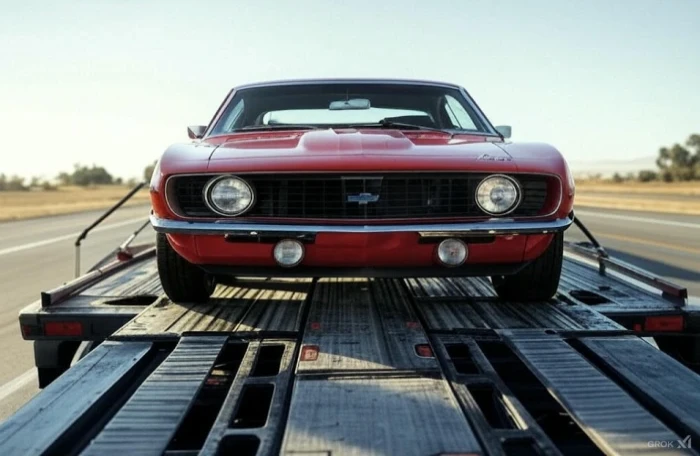
A flood-damaged car often needs to be moved before repairs begin, especially if it cannot be started safely or should not be driven at all.
The safest path is usually the least dramatic one. Stay out of floodwater. Do not start the car. Document everything. Get the vehicle inspected before making repair decisions. Those early choices usually determine whether you are dealing with a manageable recovery, a major mechanical loss, or a title history problem that follows the car for years.
AmeriFreight Auto Transport helps coordinate vehicle shipping through vetted carriers when a flooded vehicle needs to be transported to a repair facility, a storage location, or another destination. Customer service agents help arrange transport for vehicles that need careful handling during recovery. Request a quote now!