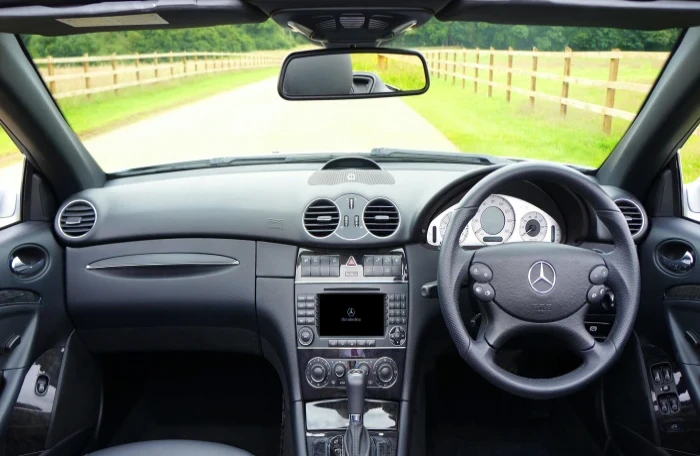


Dashboard warning lights are not casual reminders. They appear after the vehicle has already detected a fault or an operating condition outside its expected range.
Modern vehicles rely on OBD-II, the federally required on-board diagnostics system, to monitor emissions-related components and other key systems. When a problem shows up, the car may store a fault code, track the conditions that triggered it, and decide whether the issue is serious enough to illuminate a warning light.
That matters for cost and timing. What starts as a minor sensor fault or loose gas cap can turn into a much bigger repair if you keep driving.
The Color Is the First Clue
Dashboard warning colors are not random. They follow established standards for vehicle controls, indicators, and telltales under FMVSS 101 and ISO 2575.

Red means the issue is urgent. Stop as soon as it is safe if the light points to oil pressure, braking, overheating, or another critical system.
Yellow or amber means the car needs attention soon. You may still be able to drive for a short time, but delaying service raises the odds of a larger repair.
Green, blue, and white usually confirm that a feature is active, such as high beams or cruise control.
That shared color logic helps drivers react faster, especially when a symbol appears before they have time to read or think through it.
Check Engine Light
The check engine light causes more confusion than any other warning on the dashboard. It can point to something small, like a loose fuel cap, or something that can get expensive fast, like a misfire or catalytic converter problem.
The car’s computer stores a Diagnostic Trouble Code, or DTC, when it detects a fault. Some issues first show up as pending codes, then stored or permanent codes if the condition repeats. That is why a light may not come on the first time something goes wrong.

The money side matters here. According to the 2025 CarMD Vehicle Health Index, catalytic converter replacement averaged $1,348, making it one of the most expensive common check engine repairs. Oxygen sensor replacement was far cheaper, yet ignoring that earlier fault can damage the converter and turn a moderate repair into a major one.
If the check engine light is steady, check the gas cap first and pay attention to how the vehicle drives. If the light is flashing, stop driving as soon as it is safe. A flashing light often points to an active misfire that can damage the exhaust system quickly.
Oil Pressure Warning Light
This is one of the few lights that deserves a zero-tolerance response.
The oil pressure warning light means the engine may not be getting enough oil flow to protect its internal parts. Without that pressurized film of oil, metal components begin wearing against each other almost immediately. AAA notes that this is a pull-over-now warning, not one to monitor on your next errand run, as explained in its guide to dashboard lights and check engine and warning light responses.
If this light comes on, stop the engine as soon as it is safe. Check the oil level only after the vehicle is secure. If the oil level is normal, the problem may involve the oil pump, a blockage, or an internal leak. At that point, the car should not be driven.
Battery Light
The battery light usually points to a charging problem, not just a weak battery.
In most gas-powered vehicles, the alternator keeps the battery charged while the engine runs. If that process fails, the car starts using stored battery power until it runs out. That can leave you stranded with no warning beyond the light itself.
Start by checking for loose or corroded battery terminals. If connections look fine, the issue may be the alternator, the belt, or damaged wiring. This is usually a repair for a professional shop.
Brake Warning Light
A brake warning light is never something to brush off.
Sometimes the fix is simple, such as releasing the parking brake fully. If the light stays on, it may signal low brake fluid or a hydraulic problem in the braking system. AAA includes brake warnings among the lights that demand prompt attention in its dashboard warning guide.
The risk is obvious. Braking problems reduce your margin for error in every traffic situation, and research cited in the deep research document points to poor vehicle maintenance as a meaningful contributor to preventable crashes. Even if the brake pedal still feels normal, this light deserves immediate inspection.
Tire Pressure Monitoring System Light
The TPMS light usually means one or more tires have dropped well below the recommended pressure. In many vehicles, the system is designed to alert the driver when pressure falls by about 25 percent below the recommended level.
That affects more than tire wear. Underinflated tires can hurt fuel economy, reduce handling stability, and increase the chance of a blowout. Check all four tires when the tires are cold, and do not forget the spare if your vehicle monitors it.
If the pressures are correct and the light stays on, the sensor may need recalibration or replacement.
Coolant Temperature Warning Light
An overheating engine can go from manageable to severe damage in a short stretch of road.
If the coolant temperature light comes on, pull over when it is safe and shut the engine off. Modern engines do not tolerate excess heat well. Warped cylinder heads, failed head gaskets, and cracked components are all expensive outcomes once overheating gets out of hand.
Do not open the radiator cap on a hot engine. AAA warns that the cooling system is pressurized, and hot coolant can spray out with enough force to cause serious burns, as noted in its warning light guidance.
ABS Warning Light
The ABS light means there is a fault in the anti-lock braking system. Your standard brakes will usually still work, but the anti-lock feature may not engage during hard braking.
That changes how the vehicle behaves in an emergency. ABS helps prevent wheel lock and lets you keep steering control during panic stops. A failed sensor or damaged tone ring is common, but the real issue is lost safety backup when road conditions go bad.
You can usually drive carefully to a repair shop, but this should not sit on your to-do list for long.
Warning Lights Cost More When You Wait
Ignoring warning lights often feels cheaper in the moment but the numbers say otherwise.

The 2025 CarMD Vehicle Health Index found that the average age of vehicles on U.S. roads has reached 12.6 years. Older vehicles are more likely to need sensor, ignition, charging, and emissions-related repairs. That makes fast response more important, not less.
Driver behavior is another problem. A 2024 Direct Line Group survey found that 43 percent of drivers ignore dashboard warning signs. That is a costly habit. Early repairs are often manageable. Delayed repairs are where secondary damage starts piling up.
A Simple Response Beats a Panic Reaction
The right move depends on the light, but the basic approach is straightforward.
Check the owner’s manual if the symbol is unfamiliar. Confirm fluid levels if the warning is tied to oil, coolant, or brakes. Inspect battery terminals if the charging light appears. Check tire pressure with a gauge, not a visual guess.
If the light stays on, a basic OBD-II scanner can help narrow the issue by reading the stored code. That does not replace a professional diagnosis, but it can tell you whether you are dealing with an emissions fault, an ignition problem, or a sensor issue that needs further testing.
Flashing lights, red warnings, and anything related to braking, oil pressure, or overheating should move you out of troubleshooting mode and into immediate action.
Maintenance Is the Cheapest Fix
Most dashboard warnings do not come out of nowhere. They follow skipped maintenance, aging parts, or small issues that were allowed to linger.
Regular oil changes, tire pressure checks, battery inspections, brake service, and coolant checks do more than keep the car running well. They reduce the odds of seeing the lights that lead to expensive repairs and roadside breakdowns.
That matters even more before shipping a vehicle. If your car is showing active warning lights, identify the issue before transport.
The Bottom Line
Dashboard warning lights are part of a regulated communication system, not dashboard clutter. Standards such as FMVSS 101, federal display requirements, and ISO 2575 exist to make sure drivers get clear signals when something important changes.
When a warning light turns on, the car is already telling you that a system needs attention. Acting early keeps the repair smaller, the bill lower, and the road safer.