Reviewed and approved by AmeriFreight Auto Transport leadership. Researched and written by our content team, with industry input from AmeriFreight Auto Transport's executive leadership.
Read more about our team
Car Towing Costs: Your Essential Guide to Towing Prices
Did your car ever break down, leaving you with a towing bill that felt more like a penalty than a service? It happens more often than you might think.
One driver shared a story about locking her keys in her vehicle at the grocery store. In a rush, she contacted the first towing company she found online. The truck arrived promptly, unlocked the car, and towed it just five miles. The cost? Over $300. She hadn’t asked for pricing details beforehand.
Many people don’t fully understand how towing costs work—or how quickly they can escalate. This guide provides clarity, so you know what towing usually costs, what factors influence pricing, and how to avoid unexpected charges.
What You’ll Learn In This Guide
You're not alone if you’ve ever questioned why your tow bill was surprisingly high. This article answers the top questions about towing car costs:
What is the average cost to tow a car, and why does it vary?
Can the cost be reduced, or avoided altogether?
What rights do you have, and how can you protect yourself from excessive fees?
By the end, you’ll understand which costs are reasonable and which are not, and how to prepare for unexpected breakdowns.
Overview
Car towing costs can vary widely based on distance, vehicle type, time of day, and the type of tow required. Understanding these costs helps you prepare for unexpected breakdowns or transport needs. The average towing cost in the United States is about $109, but your final bill may be higher or lower depending on several factors.
Here’s a more detailed breakdown:
Main cost components
Base hookup fee: Most towing companies charge a hookup fee to connect your vehicle to the tow truck. This fee typically ranges from $35 to $150.
Per-mile charge: After the hookup fee, you pay a per-mile rate. Standard tows usually cost between $2.50 and $7 per mile. For long-distance towing, rates may be lower per mile, sometimes as little as $0.40 to $1 for trips over 500 miles.
Short-distance towing: Local tows can cost between $75 and $125 for a few miles. A 10-mile tow might cost around $95, while a 50-mile tow could reach $233.
Long-distance towing: Towing a car across states or more than 100 miles can cost $600 or more, depending on the route, time of year, and vehicle size.
Factors that affect towing costs
Distance: The farther your vehicle needs to go, the more you’ll pay per mile.
Vehicle size and type: Larger vehicles like SUVs, trucks, or vans cost more to tow because they require more powerful trucks and equipment.
Time of day and urgency: Towing at night, on weekends, or during holidays often comes with extra charges.
Situation and condition: If your car is stuck, off-road, or involved in a collision, expect additional fees for winching or special handling.
Location: Urban and rural rates can differ, and towing from remote areas may increase costs.
Insurance and roadside assistance
Many auto insurance policies offer roadside assistance as an add-on, which can cover some or all towing costs.
The at-fault driver’s liability insurance may cover towing if you're in an accident.
Always check your policy details to see what’s included.
Tips for managing towing costs
Ask for a price breakdown before agreeing to service.
Some companies include a few miles in the base fee, so clarify what’s covered.
Check if your insurance or roadside assistance plan covers towing.
Be aware of local regulations on maximum towing charges.
Other notable considerations
Towing costs can increase quickly, especially for long distances or larger vehicles.
Specialized equipment or urgent service may increase your bill.
It’s smart to have a roadside assistance plan or emergency fund for unexpected towing needs.
What Is The Average Cost To Tow A Car?
Towing a car typically ranges from $75 to more than $700, depending on the scenario. Most drivers pay between $75 and $125 for local tows. Longer distances—especially across counties or cities—can raise that price to $250 to $700 or more. According to recent national averages, the cost to tow a car 10 miles falls between $90 and $125, depending on the location and provider.
The cost doesn’t rely solely on distance. Multiple factors impact towing expenses; many drivers aren’t aware of these until after the service is complete. For example, a luxury sedan stuck on the side of the highway may require specialized equipment, while a compact car in a residential neighborhood might only need a standard tow truck.
Key factors that impact towing costs
Distance: Most towing companies charge a base fee, then add a per-mile rate. A five-mile tow may cost $90, while a 50-mile tow could approach $500.
Hook-up fee: This is a standard base charge that covers the cost of dispatching a tow truck and securing your vehicle for transport. It serves as the minimum service fee and, combined with per-mile charges, can significantly affect the total cost, especially for short-distance tows.
Location: Urban areas often have more tow trucks available, but may charge more. Rural areas typically incur longer response times and higher mileage.
Per-mile charge: The per-mile charge is the meter that runs as your vehicle is being towed. It's a fundamental component of the total towing cost, and its impact increases proportionally with the distance of the tow.
Time: Towing on weekends or after business hours can increase rates, often 25–50% higher.
Vehicle type and condition: Larger or damaged vehicles often require additional labor. All-wheel-drive models and electric vehicles may require a flatbed tow truck, increasing the cost. Towing heavy cars or those with locked brakes or flat tires may also require winching services.
Local regulations: Local US regulations significantly affect towing costs by setting maximum rates for fees like hook-up and per-mile charges. They also mandate transparency through itemized receipts and public fee schedules, protecting consumers from unexpected or inflated prices.
Common towing scenarios and estimated costs
Tow Type
Estimated Cost
Local (under 10 miles)
$75–$125
Medium (10–40 miles)
$125–$300
Long-distance (40+ miles)
$250–$700+
Disclaimer: Pricing structures vary significantly depending on the towing company. Always request a breakdown before confirming service.
Hidden Fees And Unexpected Charges
Additional fees can raise the total cost even if the base rate seems reasonable. Many towing services include extra charges not discussed in advance. These fees can vary by state depending on local regulations and consumer protection standards.
Common additional fees
After-hours or holiday surcharges: A tow on a Saturday night may cost significantly more than one on a weekday afternoon.
Per-mile overage charges: Local tow packages may only cover a few miles; every extra mile can cost $5 to $10.
Storage fees: If a tow truck takes your car to a yard, you can expect daily storage fees of $20–$50 until you retrieve it. Some municipalities require towing companies to disclose daily storage fees during drop-off.
Winching services: Vehicles stuck in mud or off-road conditions often require special equipment, which can add $50–$200 or more. Using boom lifts or recovery cranes may result in even higher costs.
Fee Type
Typical Cost
Extra mileage
$5–$10 per mile
After-hours fee
$25–$75
Winching
$50–$200+
Storage
$20–$50 per day
Disclaimer: Pricing structures vary significantly depending on the towing company. Always request a breakdown before confirming service.
To avoid surprises, ask the towing company for a full cost estimate, including mileage, time of day, and drop-off location.
Flatbed Vs. Traditional Towing Costs
The type of tow truck used influences the service's safety and cost. Most towing companies utilize either traditional hook-and-chain or flatbed trucks. Your vehicle type and condition, as well as the towing distance, determine the choice.
Flatbed towing
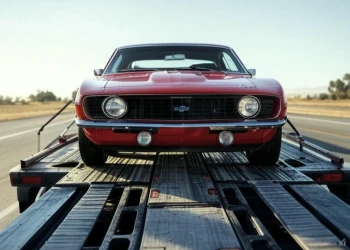
Flatbed trucks use a flat platform to carry the vehicle with all four wheels off the ground. This method is safer for:
All-wheel-drive and four-wheel-drive vehicles
Electric vehicles
Lowered or customized vehicles
Luxury or classic cars
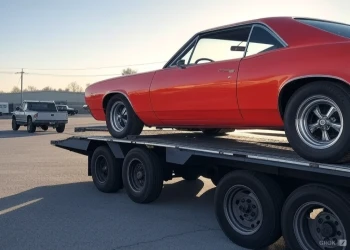
Flatbed towing is especially necessary when transporting vehicles over long distances or in poor condition. However, it typically has higher operating costs due to heavier equipment and more complex loading procedures. Depending on the situation, boom lifts, wheel lifts, or hydraulic platforms may be used.
Traditional towing
This method lifts the front or rear wheels while the other set rolls. It’s suitable for light-duty vehicles and shorter distances. Traditional towing is generally faster and more economical, especially for functioning sedans and compact cars.
Tow Type
Best For
Typical Cost
Traditional
Standard vehicles, short distances
$75–$125
Flatbed
AWD, EVs, luxury, longer trips
$100–$200+
Disclaimer: Pricing structures vary significantly depending on the towing company. Always request a breakdown before confirming service.
Insurance And Roadside Assistance Coverage
Many drivers don’t realize their insurance policy or roadside assistance programs may help cover towing costs. If you qualify and follow proper procedures, these options may significantly reduce or eliminate the total price.
Possible sources of coverage
Car insurance policy: Some policies include towing coverage, often capped by mileage or dollar amount. Ask your insurance provider whether towing is covered and whether filing a towing claim affects your premiums.
Credit cards: Some credit card companies offer roadside assistance programs that may include towing. You may need to use a designated service provider or pay upfront and seek reimbursement.
Manufacturer programs: Newer or certified vehicles may include towing during the warranty period. These typically cover basic towing services to the nearest dealership or authorized service center.
Roadside assistance programs: Memberships like AAA offer multiple free tows per year. Coverage varies based on the plan, and some plans include towing for totaled cars or long-distance travel.
Source
Potential Benefit
Limitations
Auto insurance
Full/partial tow coverage
May consist of mileage/dollar caps
AAA or similar
Several free tours per year
Coverage depends on plan tier
Credit card benefits
Roadside assistance access
Often includes additional fees
Manufacturer support
Towing within the warranty period
Limited to newer vehicles
Disclaimer: Coverage details vary. Confirm benefits with your insurance provider or service provider before assuming coverage applies.
Tips To Avoid Overpaying For A Tow
Preparation makes a difference when the unexpected happens. Use the following steps to reduce your cost and ensure a professional service.
Steps to stay in control
Ask for a detailed quote: Request information on the base fee, mileage, additional services, and possible after-hours charges.
Avoid unlicensed operators: Use a professional service with visible credentials, marked vehicles, and verifiable reviews.
Check online reviews: Look for companies with positive feedback and a track record of ethical pricing practices.
Save a reputable towing company’s number: This prevents rash decisions during an emergency.
Understanding how towing rates are structured—usually a base fee plus per-mile and equipment charges—can help you evaluate estimates more accurately. Some companies offer itemized pricing upfront, which reduces the risk of surprise add-ons.
Step
Why It Matters
Save contact info
Helps you respond quickly
Request pricing details
Clarifies potential towing expenses
Verify legitimacy
Reduces the risk of inflated rates
Read customer feedback
Protects you from poor service
Know Your Rights And How To Dispute Unfair Charges
Towing regulations differ by location, but most jurisdictions offer basic protections. Familiarize yourself with your rights in case a dispute arises.
Common towing rights
Notice requirements: Private properties must display clear signage with towing rules and contact information.
Fee disclosures: In some areas, towing companies must provide an itemized receipt.
Notification protocols: Private property towing often necessitates informing law enforcement beforehand. Some state regulations mandate that towing companies notify the police within a defined period.
Disputing excessive charges
Request a full receipt: Understand the pricing structure before paying.
File a complaint: Contact local consumer protection offices or municipal licensing boards.
Submit a written dispute: Create a formal record of your concerns and include receipts, photographs, and notes about the service.
Leave a public review: Share your experience to inform others and hold companies accountable.
Final Thoughts: Towing Doesn’t Have To Break The Bank
Towing can be stressful, but knowing what affects pricing and what protections are in place can help you make informed decisions. Whether dealing with an unexpected breakdown or planning for a long-distance vehicle tow, understanding towing costs empowers you to take control of the situation.
Need help with car shipping?
In some cases, what you need isn’t a short-distance tow—it’s reliable, long-distance vehicle transport. That’s where AmeriFreight can help.
We work with vetted carriers to connect customers with trusted options for safe, professional auto transport. Whether you're relocating, purchasing a vehicle from out of state, or arranging delivery for a family member, our customer service agents are here to assist.
We help coordinate shipping for various vehicle types and transport needs, always focusing on support, flexibility, and care.
While not always legally required, towing is a financial risk. You may be responsible for repairs if damage occurs during the tow and no insurance coverage applies.
How far can a car be towed?
Cars can be towed for hundreds of miles. However, the total cost increases significantly with distance. For trips over 100 miles, consider using a vehicle transport company instead.
Is leaving items in a car while it is being towed safe?
No. The Department of Transportation prohibits personal items in towed vehicles. If permitted by the towing company, expect additional fees and limited liability.
Can I ride with the tow truck driver?
Some companies allow it; others do not, depending on their insurance policy or truck setup. Always confirm in advance.
What if my car is in a parking garage?
Towing from garages often requires smaller trucks or specialized equipment. Not all companies can handle this situation, which typically involves higher costs.
Disclaimer: This article includes general information and does not constitute financial advice. Always check with your insurance company or roadside assistance provider for coverage specifics.