

Buying a used car has never been easier. Finding the right one has never required more discipline.
Cars.com is one of the largest online car buying platforms in the U.S., giving shoppers access to more than 3 million active dealer listings in one place. Instead of visiting multiple dealerships, buyers can compare prices, mileage, financing options, and vehicle histories before scheduling a test drive. That level of transparency has changed the used-car buying process, but it doesn't eliminate the need to evaluate every vehicle carefully.
A competitive price is only one piece of the purchase. Financing, maintenance history, dealer fees, and inspection results often have a greater impact on how satisfied you'll be a year after buying the vehicle.

Build Your Budget Before You Shop
The biggest mistake many buyers make is choosing a vehicle before deciding how much they can realistically afford.
Financial experts generally recommend keeping monthly auto payments between 10 percent and 15 percent of your gross monthly income. A widely accepted guideline is the 20/4/10 rule for car affordability. It recommends making at least a 20 percent down payment, financing for no more than four years (48 months), and limiting total monthly vehicle expenses, including insurance, to no more than 10 percent of your gross income.
Those recommendations are based on years of lending trends. When the average new vehicle sold for about $34,000 in 2016, the average loan term had already stretched to nearly six years. Approximately 33.3 percent of auto loans in early 2015 lasted between 73 and 84 months, increasing the risk of negative equity during the early years of ownership.

Use Cars.com's Search Tools to Narrow Your Options
One advantage of digital automotive retail is the ability to filter inventory instead of sorting through hundreds of unrelated listings.
Cars.com allows buyers to search by make, model, year, price, mileage, drivetrain, transmission, fuel type, body style, and location. Professional dealership listings often include 20 to more than 50 high-resolution photos, giving shoppers a better look at vehicle condition before making contact.
The platform also highlights competitive pricing with deal ratings and identifies vehicles carrying the "Hot Car" badge, indicating an estimated 90 percent chance the vehicle will sell quickly in the local market. While these indicators are helpful, they should support your decision rather than replace your own research.
Review the Vehicle History Before Visiting
A clean-looking vehicle can still have hidden problems.
Before contacting a seller, request a vehicle history report. CARFAX and AutoCheck reports can reveal accident history, previous ownership, title brands, maintenance records, and open recalls. Reviewing this information early helps eliminate vehicles that may carry expensive long-term risks.
Vehicle history reports are valuable, but they don't tell the whole story. Mechanical condition still needs to be verified through a careful inspection.

Ask the Right Questions
Before scheduling a visit, ask questions that reveal how the vehicle has been maintained.
Industry experts recommend asking eight core questions to ask a used car seller, including why the vehicle is being sold, whether the seller is the original owner, whether maintenance records are available, whether the vehicle has been involved in an accident, and whether any major repairs have been completed. Consistent, detailed answers are often a good sign, while vague or conflicting responses deserve additional attention.

How to Inspect a Used Car
Knowing how to inspect a used car can save thousands of dollars in future repairs.
Start with a walkaround. Look for uneven body panels, mismatched paint, rust, cracked lights, and uneven tire wear. Under the hood, inspect fluid levels and look for leaks or unusual residue.
During the test drive, include city streets and highway speeds. Pay attention to steering response, braking, transmission shifts, acceleration, vibrations, and unusual noises. A thorough dynamic test drive checklist often reveals issues that don't appear during a short drive around the dealership.
Even experienced buyers should schedule a pre-purchase inspection with an independent mechanic. Spending about $150 on a professional inspection is inexpensive compared with discovering major engine or suspension problems after completing the purchase.
Know the Warranty Limits
Factory warranty coverage varies depending on the manufacturer and vehicle age. Many bumper-to-bumper warranty limits expire after three years or 36,000 miles, although some manufacturers extend coverage to six years or 60,000 miles. Understanding how much factory coverage remains can affect both the vehicle's value and your expected ownership costs.
Ask for the Out-the-Door Price
The advertised selling price is rarely the amount you'll actually pay.
Always request an out-the-door price quote that includes taxes, registration, dealer documentation fees, and optional products. Comparing complete purchase prices gives a much more accurate picture of competing offers.
Dealer documentation fees vary significantly across the country. Some states cap these charges, while others do not. Nationwide, dealer documentation fees commonly range from about $100 to $500, making them an important part of the total purchase price. Understanding state laws on dealer doc fees can help buyers recognize when administrative costs appear unusually high.

How to Avoid Title Washing
Title washing occurs when a vehicle with a salvage or flood title is transferred through another state with different branding requirements, making prior damage more difficult to identify.
Learning how to avoid title washing starts with reviewing CARFAX and AutoCheck reports, confirming ownership history, and arranging an independent mechanic inspection before finalizing the purchase. Using all three together provides much better protection than relying on any single source of information.
Buying a Vehicle From Another State
Out-of-state car buying can expand your choices, especially if you're looking for a specific trim or configuration. Most buyers will need to title and register the vehicle in their home state, pay applicable taxes, and complete registration paperwork within about 30 days. Some states also require emissions or safety inspections before registration is completed. Understanding these requirements before traveling can prevent unexpected delays after the purchase.
Trade-In vs Private Sale
Deciding between a trade-in vs private sale depends on your priorities. Trading in a vehicle is usually faster and simplifies paperwork, while selling privately often produces a higher selling price. The trade-off is the additional time required to advertise the vehicle, communicate with buyers, arrange test drives, and complete the sale.
Shipping Your Vehicle After Purchase
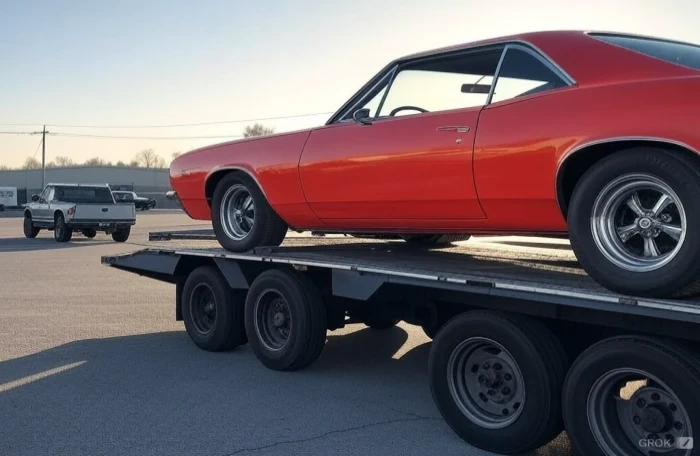
If you purchase a vehicle outside your local area, professional auto transport may be a practical alternative to driving it home.
AmeriFreight Auto Transport connects customers with FMCSA-registered and insured carriers for open and enclosed vehicle transport. The company is one of the best reviewed in the industry and offers Door-to-Door Service (Location Permitting). There is no upfront payment until you choose a carrier.
Pickup and delivery windows depend on carrier availability, weather, and route conditions, so specific dates cannot be guaranteed.
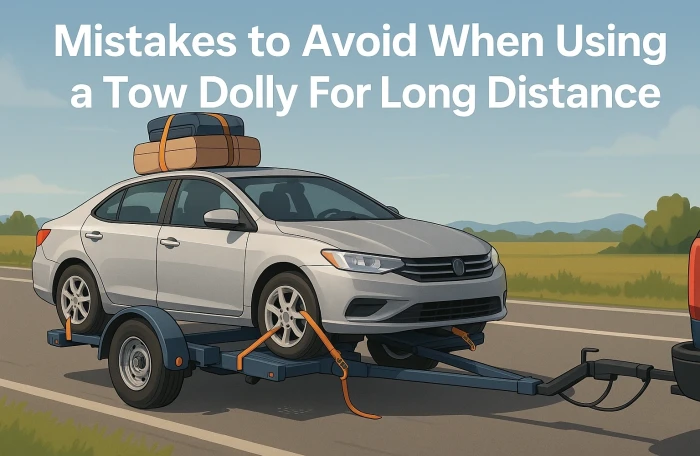
The U.S. Department of Transportation generally does not permit personal household items in vehicles being transported. If a carrier allows limited personal belongings, prior approval is usually required, and additional fees may apply.
Get your free, no-obligation quote today.