


Enclosed auto transport is built for vehicles that need more than basic shipping. If you are moving a classic car, an exotic model, a luxury vehicle, or a low-clearance build, the main advantage is simple: the car travels inside a covered trailer instead of being exposed to weather, road debris, and public visibility.
That extra protection matters when condition affects resale value, collector value, or simple peace of mind. For many owners, enclosed shipping is less about convenience and more about avoiding avoidable damage.

The Trailer Itself Changes The Risk
Enclosed trailers are designed to limit exposure during transit, but they are not all the same.
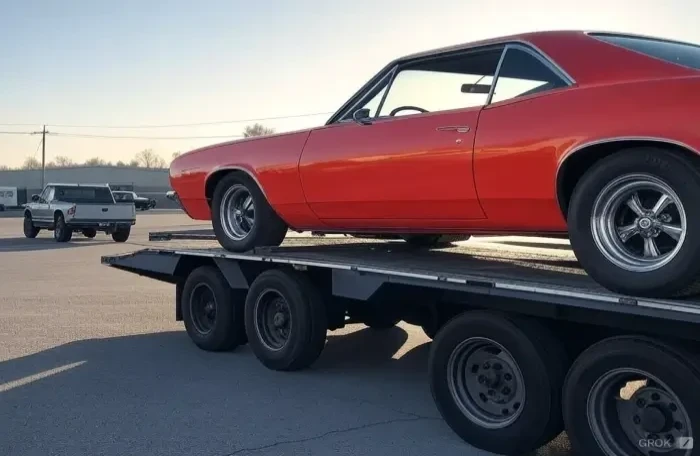
Some are soft-sided, using reinforced curtain-style walls over a structural frame. Others are hard-sided, using rigid materials that create a more sealed environment. Hard-sided trailers generally offer the highest level of protection from dust, debris, and outside contact, while soft-sided units can offer easier loading access in certain situations.
For low-clearance cars, loading equipment matters just as much as trailer walls. Premium enclosed carriers often use hydraulic lift gates instead of steep ramps. That helps reduce the chance of scraping the front fascia, underbody, or rocker panels during loading. The research guide highlights hydraulic lift gates and wheel-based soft-tie securement as two of the most important features for high-value vehicles.
Federal Rules Shape The Industry Behind The Scenes
Auto transport is not an informal shipping market. Interstate carriers operate under the Federal Motor Carrier Safety Administration and must comply with federal transportation rules covering driver qualifications, maintenance, recordkeeping, and operating authority. The regulatory framework is laid out through FMCSA and DOT guidance on carrier regulations, insurance filing requirements, and USDOT registration.
That matters to customers more than it may seem. A carrier’s USDOT record helps establish whether the company is operating within the federal system and whether its safety history can be reviewed. The research guide ties this directly to risk screening, noting that reputable enclosed transport decisions often start with operating authority, insurance filings, and safety performance.
Safety Records Are Worth Checking
The safest quote is not always the cheapest one.
FMCSA tracks carrier performance through its broader safety oversight system, and that includes areas such as driver fitness, hours-of-service compliance, vehicle maintenance, and crash history.

For enclosed shipping, this is not abstract. A single mistake can involve a very expensive vehicle. The research guide makes that point clearly, linking lower safety risk with better carrier screening, stronger maintenance practices, and lower exposure for high-value shipments.
Insurance Should Be Read Carefully, Not Assumed
Insurance language is where many customers get too casual.
Federal rules require minimum levels of financial responsibility for certain for-hire carriers, but those minimums do not automatically tell you how much protection applies to your vehicle in every situation. Useful overviews from Progressive Commercial, FMCSA’s insurance filing page, and biBERK explain the regulatory baseline.
That distinction matters with enclosed transport. One trailer may be carrying several high-value vehicles at once, so the practical insurance expectations in this part of the market are often higher than the federal floor. Standard cargo policies may also contain exclusions, especially for acts of nature, inherent defects in the vehicle, or certain high-value scenarios that call for separate endorsements or trip-specific coverage.
Cost Reflects Equipment, Capacity, And Handling
Enclosed shipping usually costs more than open transport, and the reason is not hard to see.
Enclosed trailers carry fewer vehicles. The equipment is more specialized. Handling standards are typically stricter. In many cases, the shipment itself involves a car that requires extra attention during loading, securement, and delivery.
The broader market context comes from Census NAICS classifications for specialized freight trucking and NAICS 484230, which covers long-distance specialized freight. Market forecasts for the auto transportation sector and the enclosed segment point to continued growth through 2032, according to Coherent Market Insights and GM Insights.
For customers, the practical pricing factors remain the same: route length, vehicle size, operability, trailer space, and scheduling pressure. A low sports car moving cross-country inside a hard-sided trailer will usually cost more than a standard sedan on an open carrier for a shorter route.
Preparation Affects Claims And Handoff Quality
A clean handoff starts before pickup day. Wash the vehicle so existing chips, scratches, or blemishes are easy to see. Take clear photos from several angles. Keep about a quarter tank of fuel. Remove personal items unless you have been told something specific can remain in the car. Loose accessories should be secured or removed.
At pickup, the driver records the vehicle’s condition on the Bill of Lading. That document matters. FMCSA guidance on Bill of Lading requirements and shipping document records helps explain why shipping documents are central to the transport process.
The research guide emphasizes chain-of-custody discipline here: pre-move photos, documented condition reports, careful loading decisions, and a final inspection at delivery all reduce confusion if damage is later alleged.
Timing Needs Flexibility
Pickup and delivery timing in auto transport works best as a window, not a promise.
Traffic, route density, weather, equipment availability, and hours-of-service rules all affect when a carrier can arrive. That is one reason exact pickup and delivery guarantees should be treated with caution.
It is better to work with realistic windows and clear communication than with promises no carrier can fully control. This is also where expectations should stay grounded.
Enclosed Transport Is Especially Useful For Certain Vehicles
The case for enclosed shipping gets stronger when the vehicle has one or more of these traits:
high market value
collector or restoration value
delicate paint or finish
low ground clearance
custom bodywork or modifications
privacy concerns during transit
That does not mean every valuable vehicle must move enclosed. It means the downside of exposure gets more expensive as the vehicle becomes harder to replace, harder to repair correctly, or more sensitive to condition changes.
The Industry Is Getting More Standardized

One of the most helpful details from the research guide is how much of this business runs on standardized logistics procedures, not guesswork. AIAG’s finished vehicle logistics work, including damage handling and electronic proof-of-delivery standards, shows how the industry has pushed toward more consistent inspections, clearer damage coding, and better documentation across handoffs.
That kind of standardization helps customers even when they never see it. Cleaner records, better inspections, and more disciplined delivery processes reduce disputes and make problems easier to trace.
Why Many Owners Decide The Premium Is Worth It
Enclosed auto transport costs more, but the real comparison is not enclosed versus open in the abstract. It is premium shipping cost versus the cost of avoidable exposure.
For a daily driver with no special requirements, open transport may be enough. For a collector car, an exotic vehicle, or a vehicle where condition is a major part of its value, enclosed shipping is often the more sensible choice.
Ship Your Vehicle With Confidence
When your vehicle deserves more than standard transport, enclosed shipping becomes the safer choice. The right carrier, the right equipment, and the right preparation all work together to protect its condition from pickup to delivery.
AmeriFreight Auto Transport helps coordinate that process with vetted carriers, clear communication, and options that match the level of protection you want.
Get a quote today and see what it takes to move your vehicle with the care it deserves.


.webp)
.webp)